

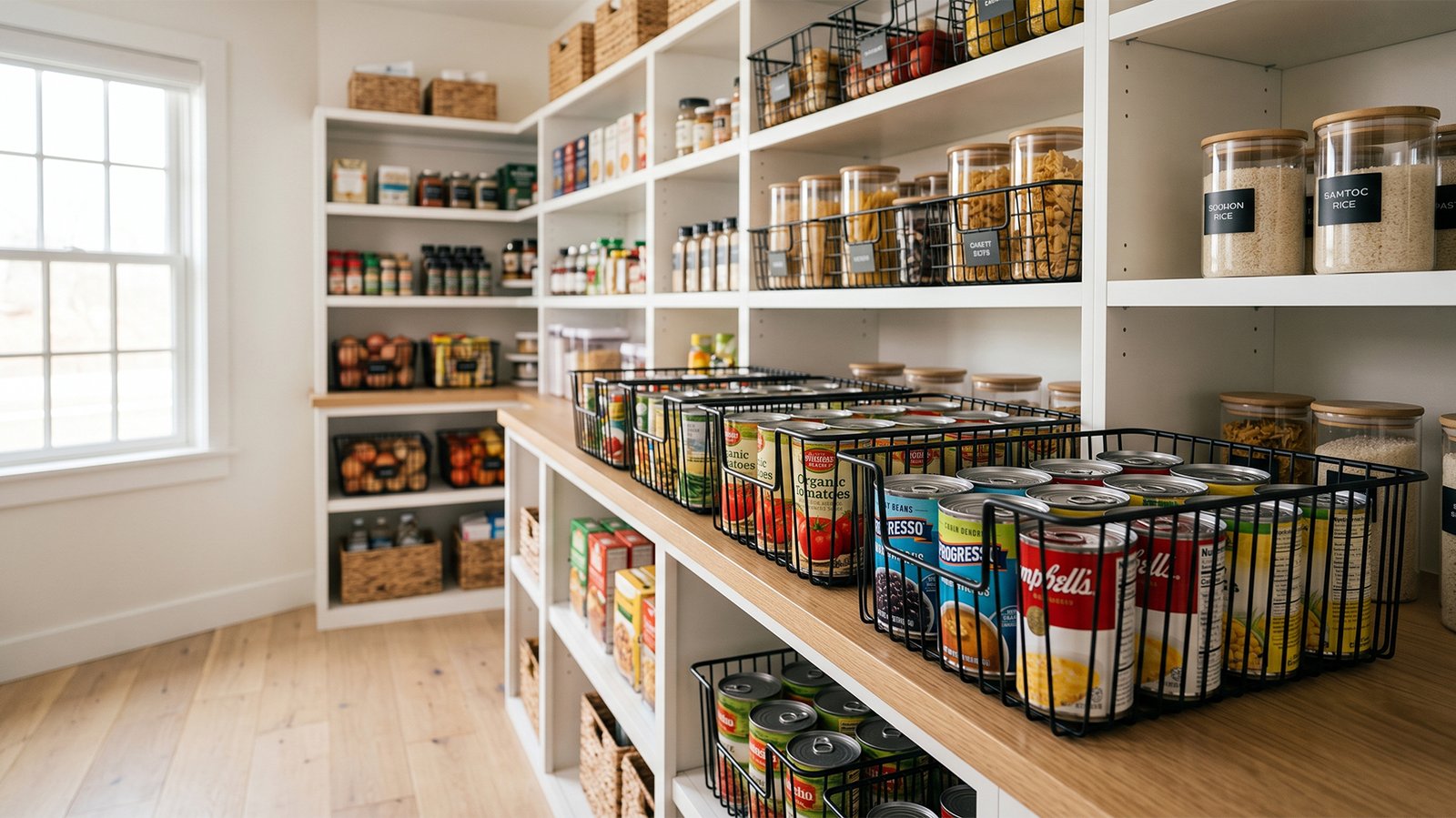
This comprehensive guide explores the structural benefits, shelf life principles, and organizing strategies for storing heavy canned goods in domestic pantries. It breaks down how steel wire organizers optimize vertical space while answering popular consumer questions regarding long-term food preservation and emergency stockpiling.
Table of Contents
Readers will gain clear insights into choosing the right metal containers, organizing high-density food items, and maintaining safe pantry conditions.
Step 2: Content Generation (First 3 Major Subheadings)
Standard plastic trays and flimsy wire racks often buckle under the substantial load of dense soup and vegetable cans. Choosing heavy duty steel pantry baskets for canned goods ensures that your pantry organization system remains rigid and structurally sound under heavy weight. These high-grade steel containers resist warping, providing a long-lasting storage foundation for all your meal prep essentials.
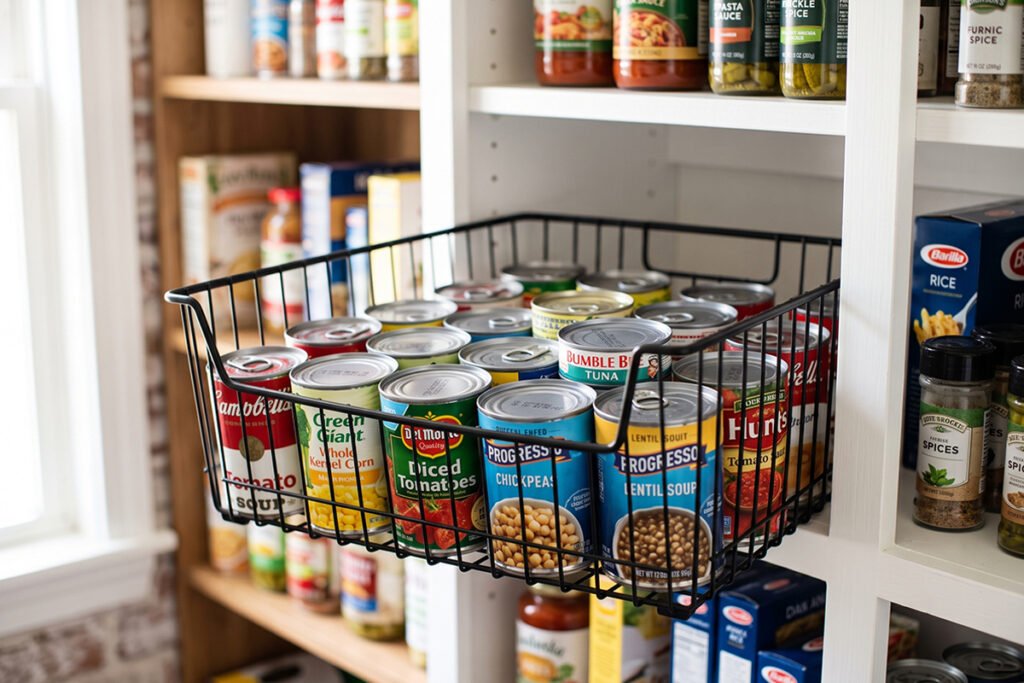
In addition to superior structural strength, steel wire organizers deliver unmatched visibility across every shelf layer. An open-front basket design lets you quickly view labels and retrieve items without disturbing neighboring stacks. Integrating these sturdy bins simplifies inventory management and prevents forgotten cans from expiring in hidden corners.
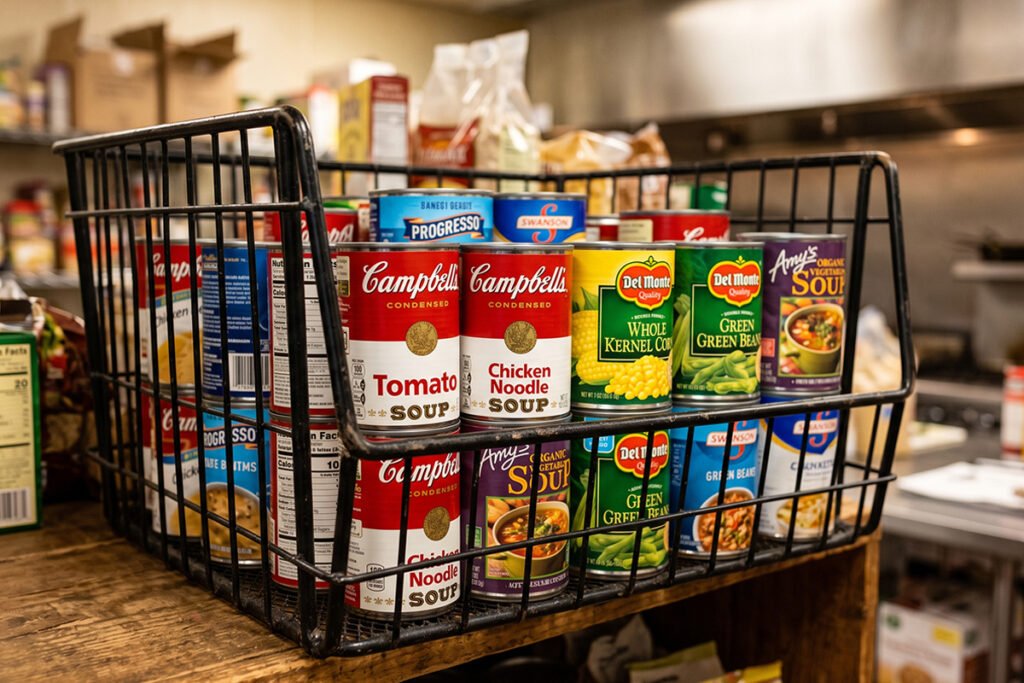
Selecting bins engineered with a rust-resistant steel finish guarantees long-term hygiene and durability in humid kitchen environments. Because steel wire units distribute weight evenly across shelves, they prevent localized shelf sagging and surface damage. Upgrading to these heavy-duty organizers transforms cluttered pantry shelves into a streamlined culinary station.
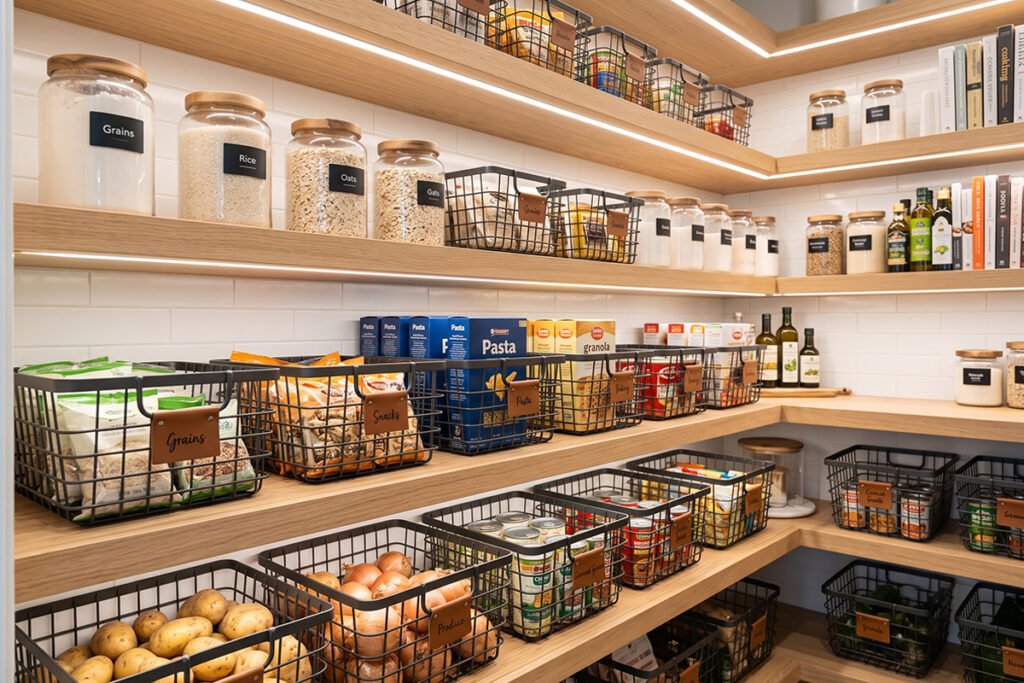
When choosing metal storage containers, understanding structural variations helps you pick the right fit for your shelf heights. Utilizing stackable wire baskets allows home cooks to multiply vertical storage capacity without installing permanent built-in cabinetry. These modular bins interlock securely, creating stable multi-tiered units that safely accommodate heavy tin cans.
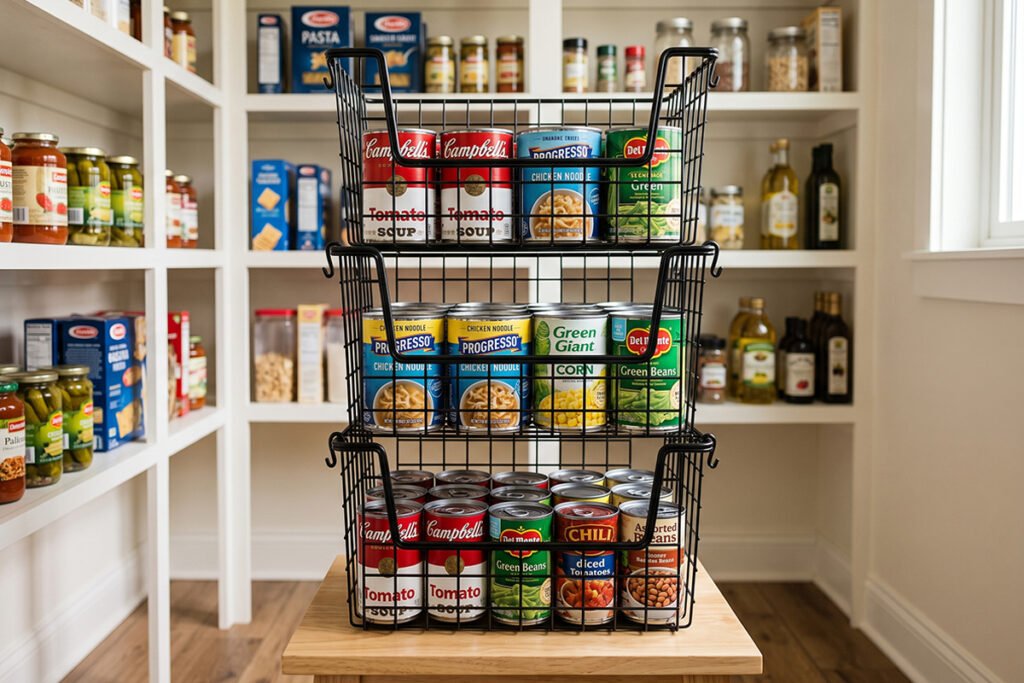
For high-rotation pantries, combining metal pantry storage bins with a specialized canned food rack dispenser ensures seamless inventory rotation. Gravity-fed designs allow older cans to slide forward automatically as new ones are loaded near the back. This reliable mechanism simplifies first-in, first-out food management while maintaining a clutter-free appearance.
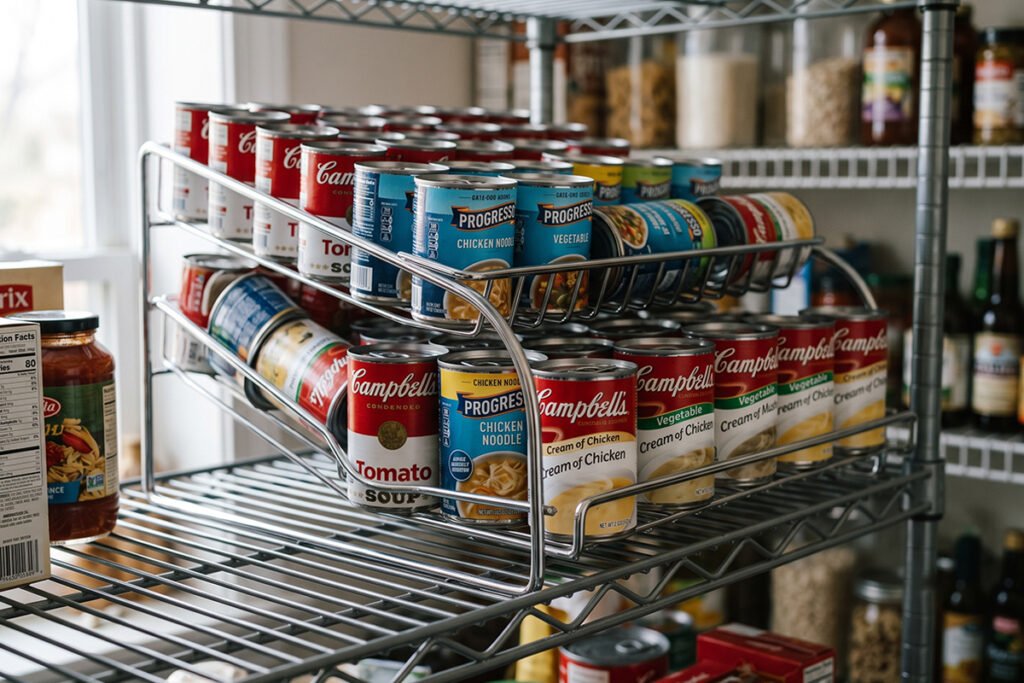
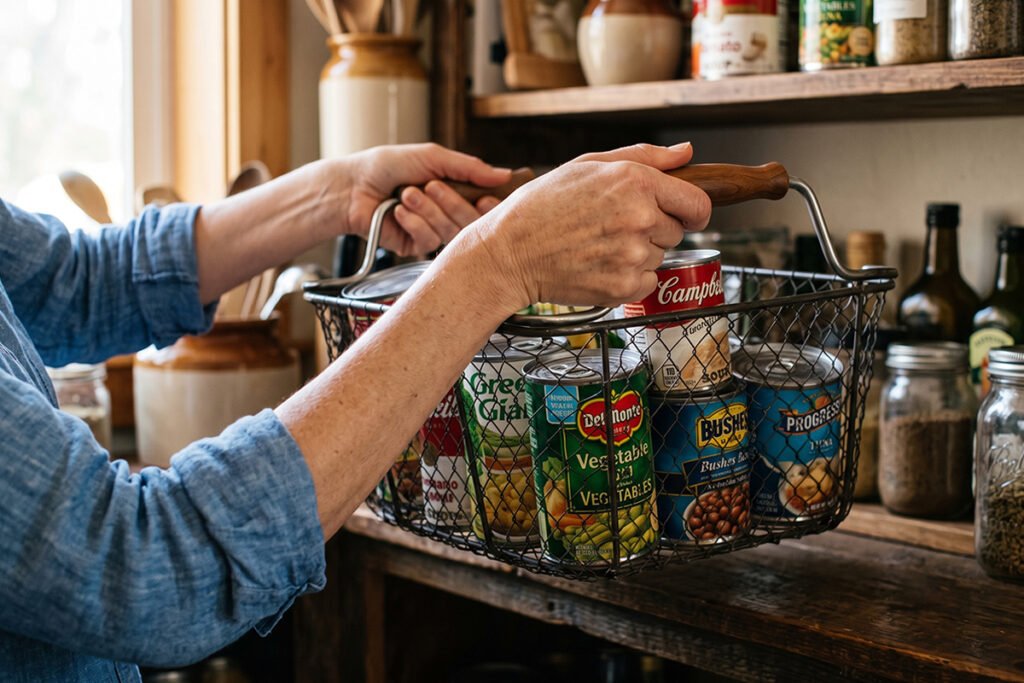
Every quality basket must feature a certified heavy-duty weight capacity capable of holding dozens of canned goods simultaneously. Heavy-gauge wire construction prevents bending, while reinforced handles allow for effortless transport between countertops and shelves. Investing in well-engineered steel features yields a clean, functional pantry built for years of heavy use.
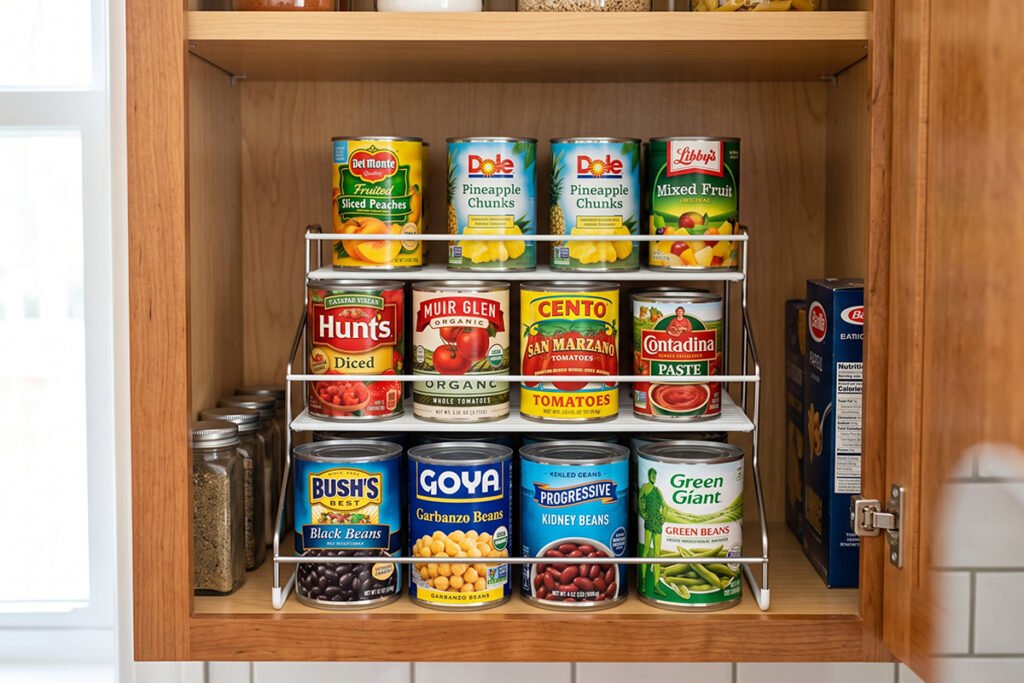
The ideal canned storage strategy balances structural safety, clear visibility, and smooth accessibility. Utilizing a dedicated tiered can organizer inside your kitchen cabinet storage area raises back rows so every label stays visible. Grouping similar food categories together inside heavy duty steel pantry baskets for canned goods eliminates unnecessary searching during meal prep.
Effective storage also requires proper weight distribution across your overall pantry framework. Store heavier items like large tomato sauce tins inside steel wire baskets on middle or lower shelves to maintain cabinet stability.
Want to Double Your Pantry Space Instantly?
Discover how stackable wire baskets keep your bulk vegetables neatly organized while maximizing every inch of vertical cabinet space.
This logical arrangement reduces physical strain when lifting heavy goods and protects upper shelving units from excessive weight.
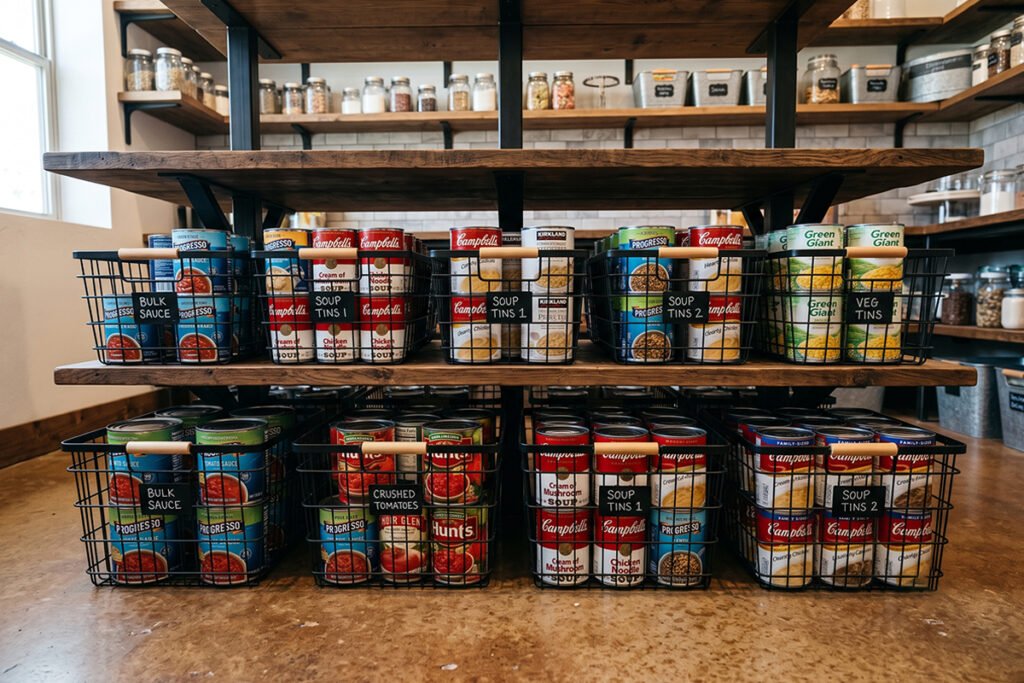
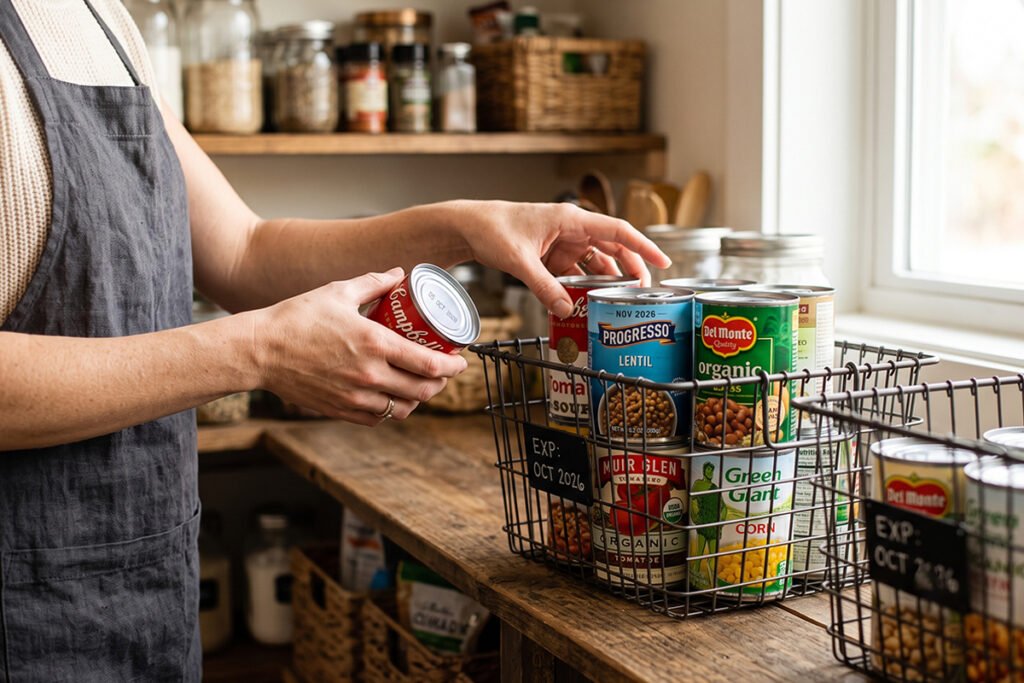
Finally, implementing systematic pantry shelf decluttering routines keeps your food supply fresh and orderly. Check expiration dates regularly and position newer stock behind older inventory inside your heavy duty steel pantry baskets for canned goods. Maintaining this structured habit minimizes food waste and keeps your kitchen running efficiently every day.
How to Maximize Kitchen Shelf Space Saver Units with Heavy Duty Wire Baskets
Maximizing storage efficiency in small kitchens starts with utilizing vertical space that usually goes unused. Placing heavy duty steel pantry baskets for canned goods onto wire shelves creates multi-tiered storage zones without cluttering your counters. Utilizing a compact kitchen shelf space saver helps you group small tomato paste and tuna cans together neatly.
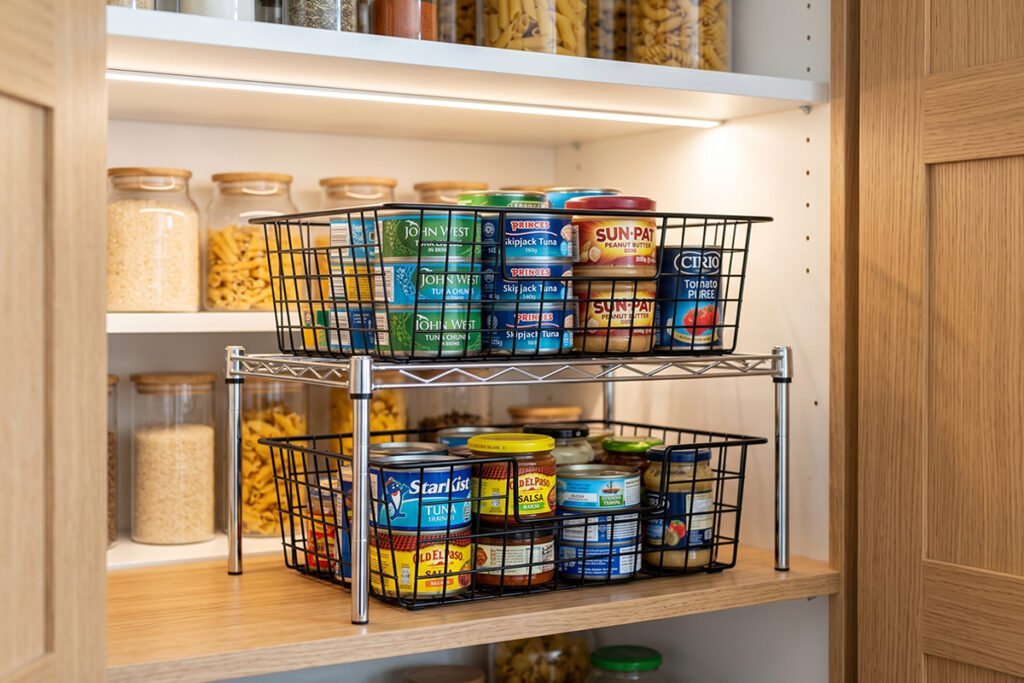
Vertical wire designs allow air to flow around food items while keeping everything visible from any angle. Stacking these sturdy units ensures you use every inch of cabinet height without putting unnecessary stress on fragile wooden shelves. This simple configuration dramatically improves pantry functionality and accessibility
What Are the Alternatives to Pantry Baskets?
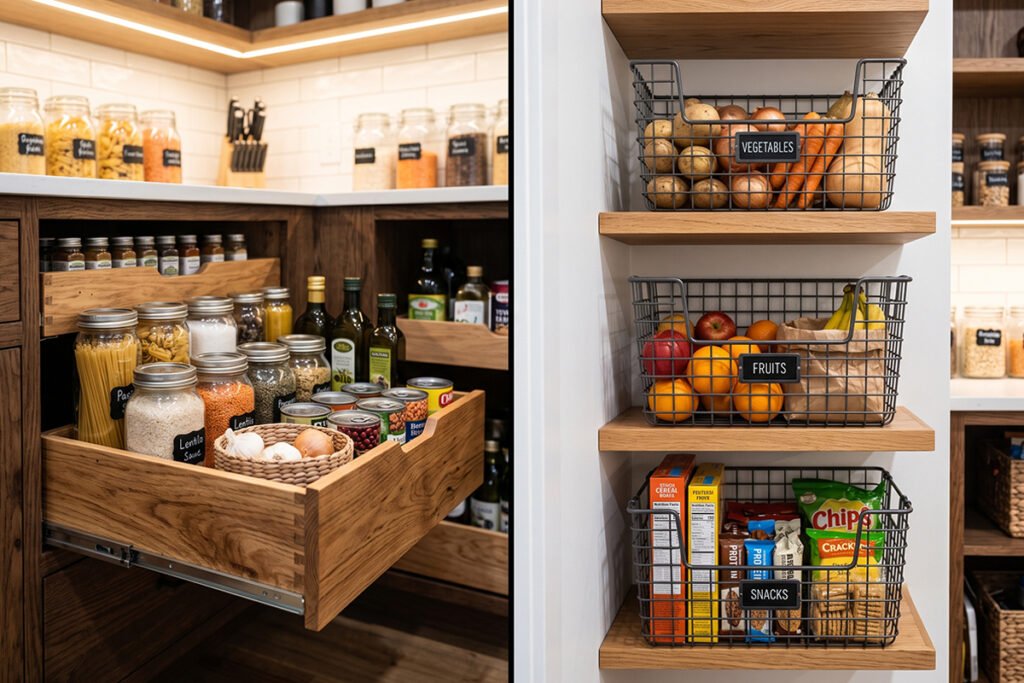
While steel wire bins excel at holding heavy cans, several alternative storage tools are available for home organization. Lazy Susans, tiered plastic risers, and pull-out wooden drawers offer different ways to manage canned inventory. However, plastic alternatives often crack when filled with heavy tins, making metal wire a more dependable choice.
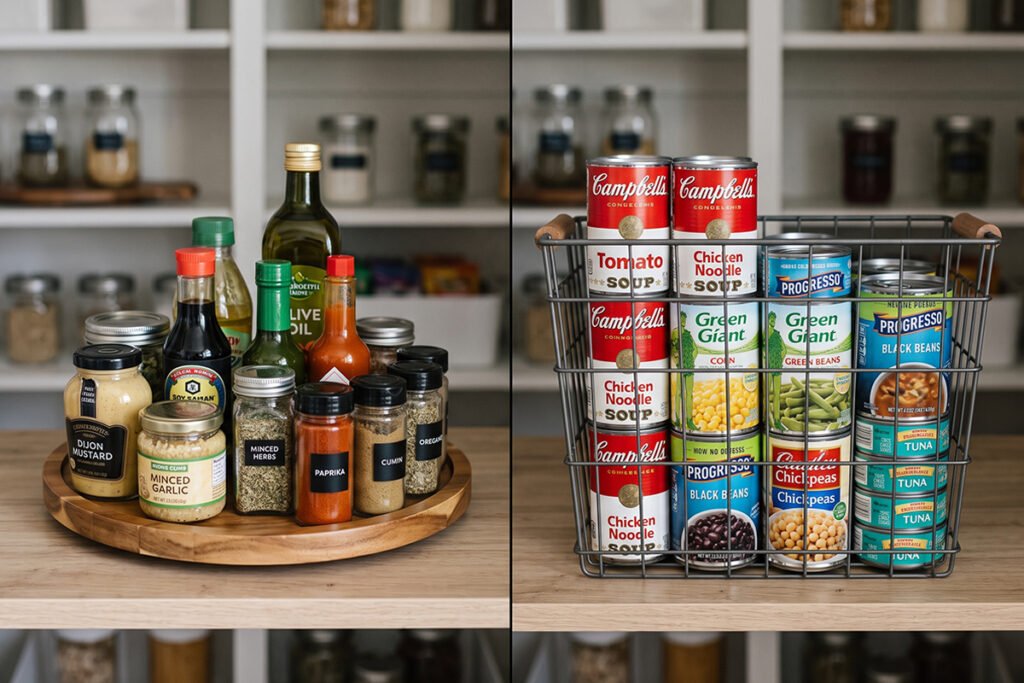
Installing sliding wooden drawers offers a sleek custom cabinet look, though installation costs are significantly higher. Tiered acrylic steps work well for light items, but they lack the high weight capacity of metal bins. For long-term durability and heavy loads, metal options remain superior for food storage.
What Canned Food Is Best for Long Term Storage?
Building a dependable food supply requires selecting canned items with long shelf lives and high nutritional value. Low-acid canned foods like meats, poultry, stews, beans, and corn maintain top quality longer than acidic items. Storing these heavy items inside heavy duty steel pantry baskets for canned goods keeps your emergency food supply organized and protected.
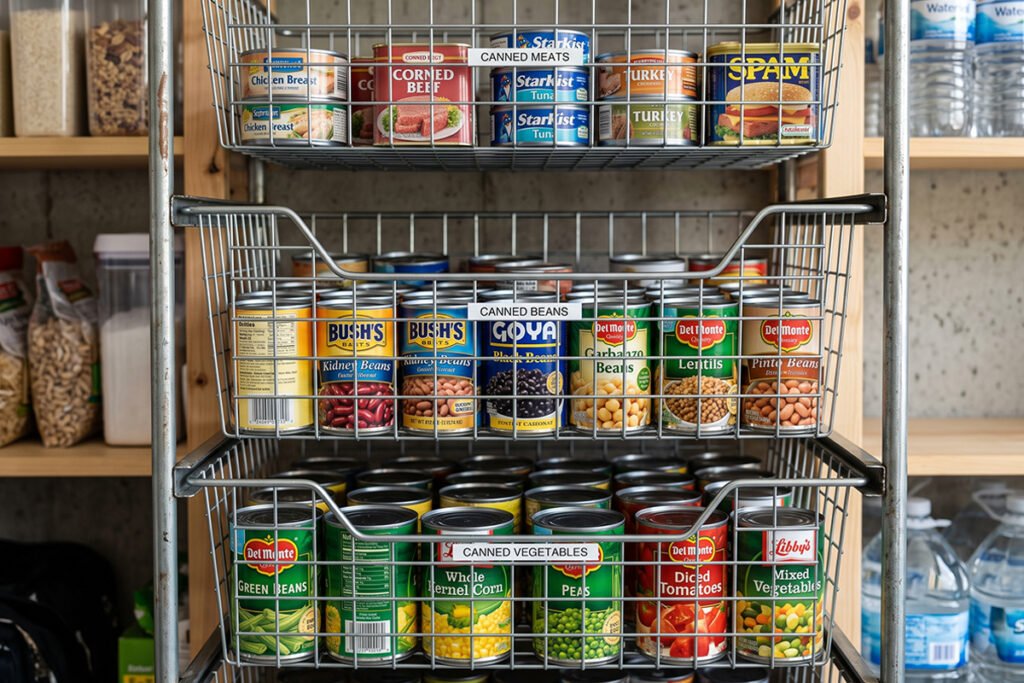
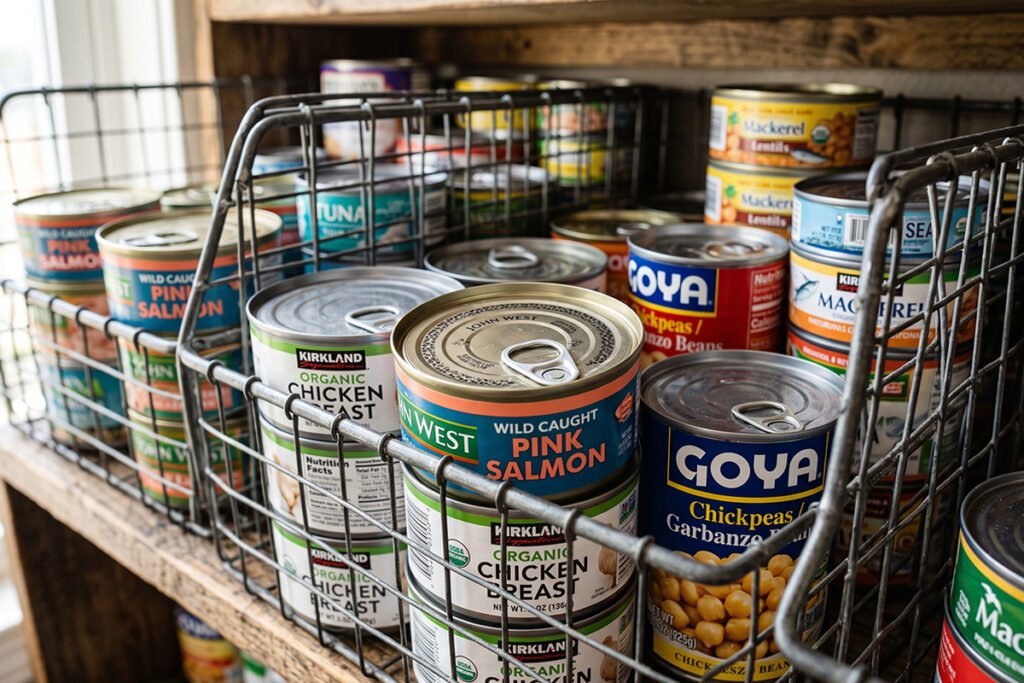
Canned tuna, salmon, and chicken provide essential proteins and remain safe to eat for years past their pack date. Starch-heavy foods like canned lentils, chickpeas, and potatoes offer quick calories and store well in cool environments. Keeping these heavy cans sorted in metal bins prevents shelf sagging under bulk stockpiles.
How Long Can You Keep Canned Food in Your Pantry?
High-acid canned goods like tomatoes, pineapples, and pickled vegetables typically retain peak quality for 12 to 18 months. Low-acid items such as canned meats, soups, and green beans can easily last 2 to 5 years when stored properly.
Low-acid items such as canned meats, soups, and green beans can easily last 2 to 5 years
Keeping your pantry cool, dry, and dark extends the shelf life of all commercially canned products.
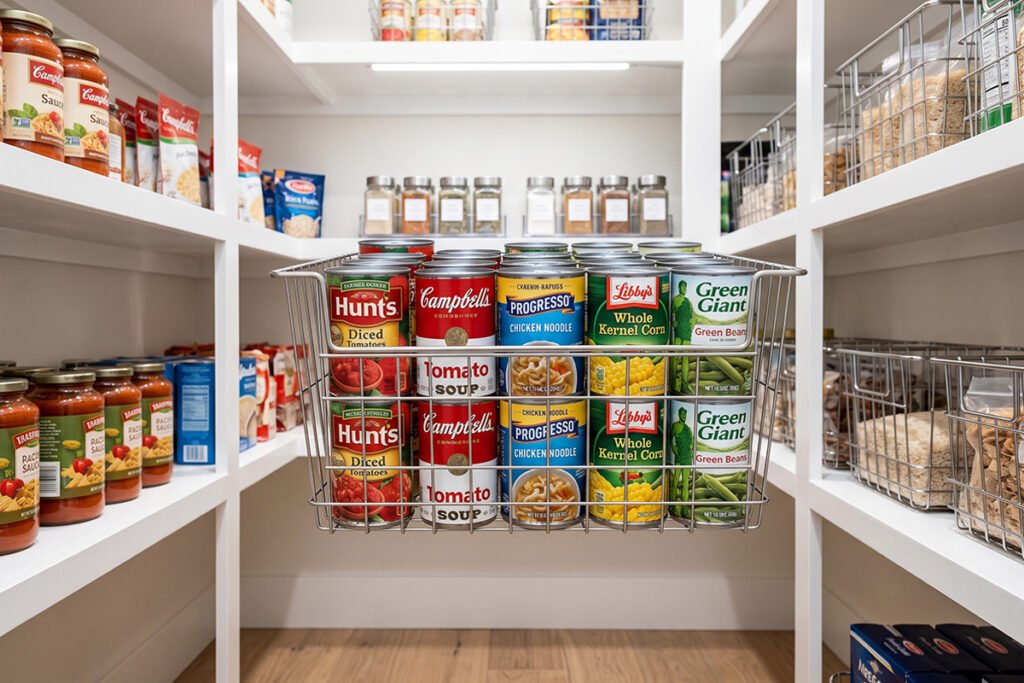
Commercial cans remain safe indefinitely as long as the container shows no rust, dents, or swelling. Rotating your stock using a canned food rack dispenser ensures you always consume older inventory first. Regular inspection keeps your food supply safe, healthy, and ready to use.
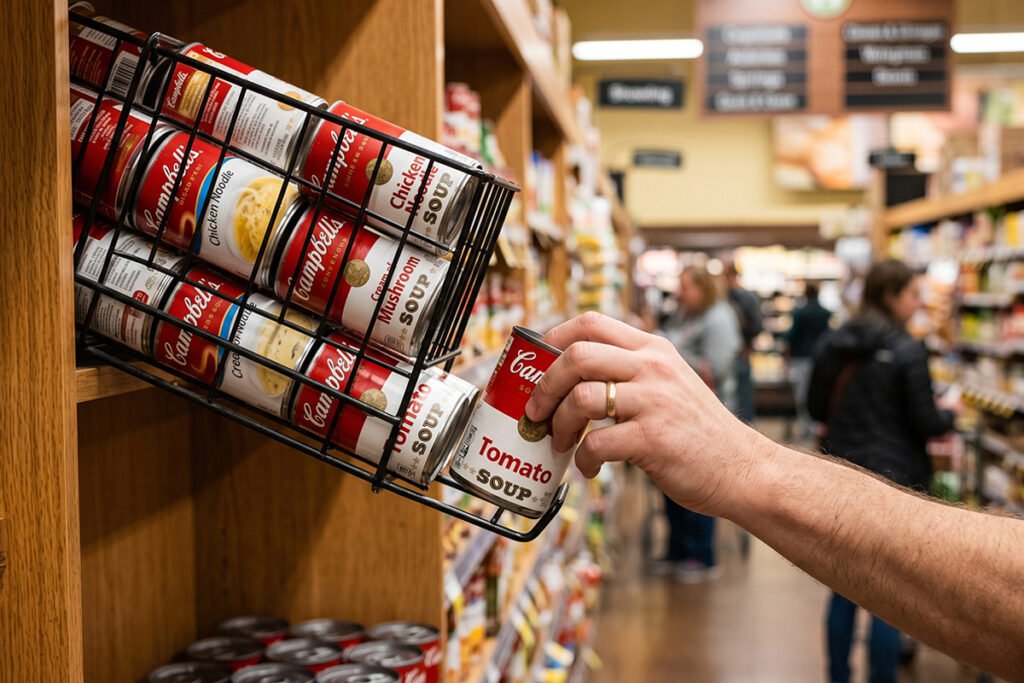
What Is the Latest Trend for Pantries?
Modern kitchen design emphasizes combining functional minimalism with industrial aesthetic accents like steel wire storage. Homeowners are increasingly moving away from hidden food hoards toward open-concept pantries with visible, labeled wire bins.
Modern kitchen design emphasizes combining functional minimalism with industrial aesthetic accents
Utilizing heavy duty steel pantry baskets for canned goods aligns perfectly with this clean design movement.
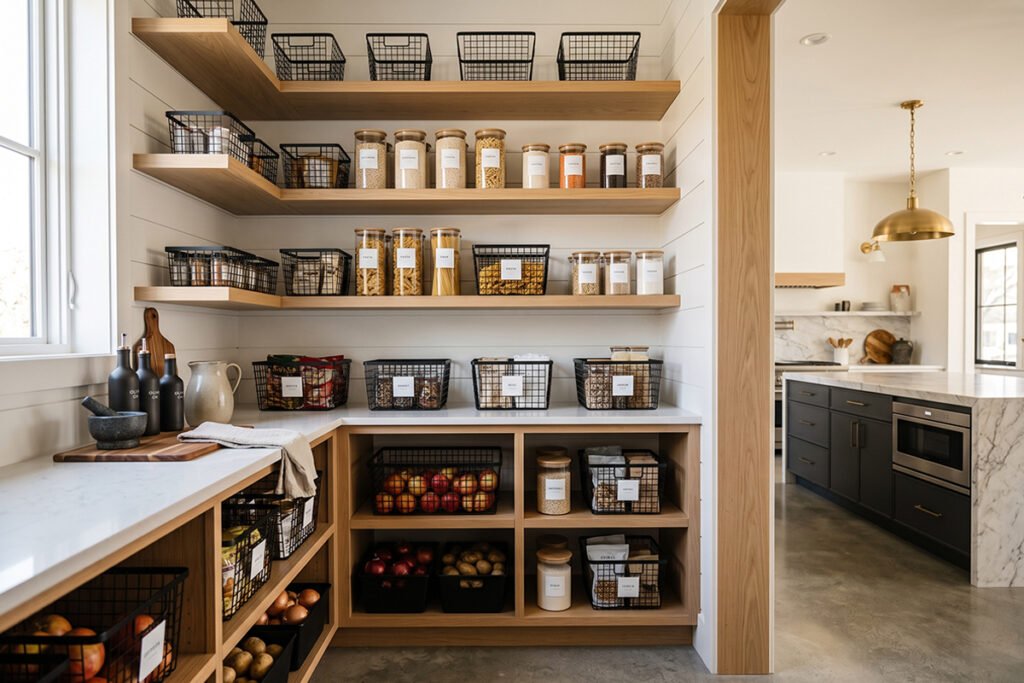
Color-coordinated wire storage, unified labeling systems, and dedicated coffee or baking zones are currently trending. Incorporating clear open-front basket design features creates an aesthetically pleasing balance between style and everyday convenience. This approach transforms functional storage into a visually appealing feature of your home.
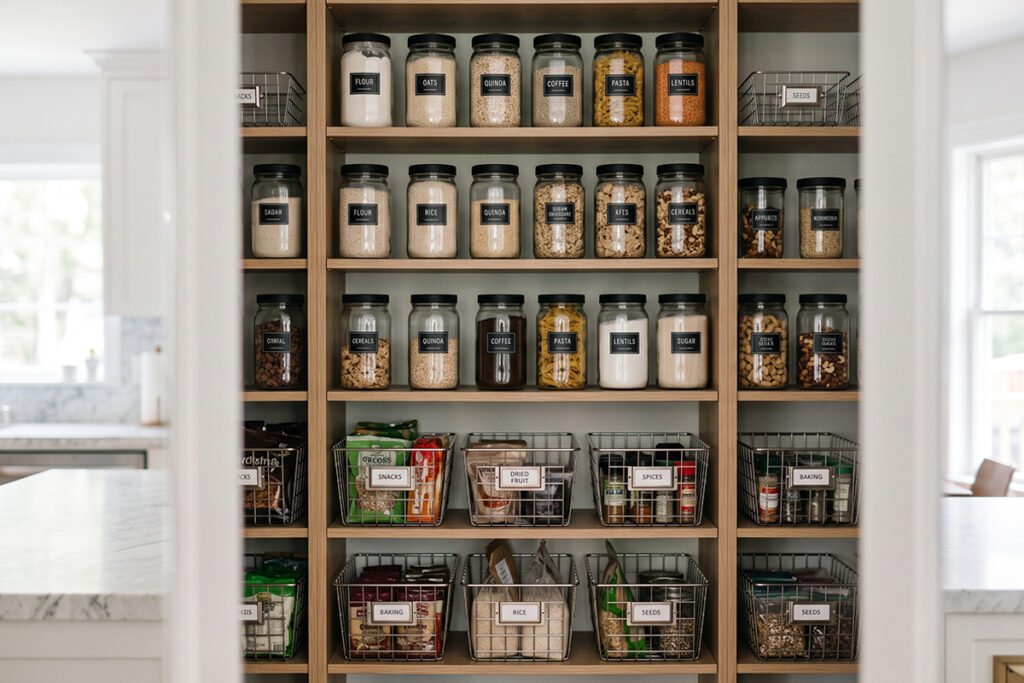
What Is a Murphy Pantry?
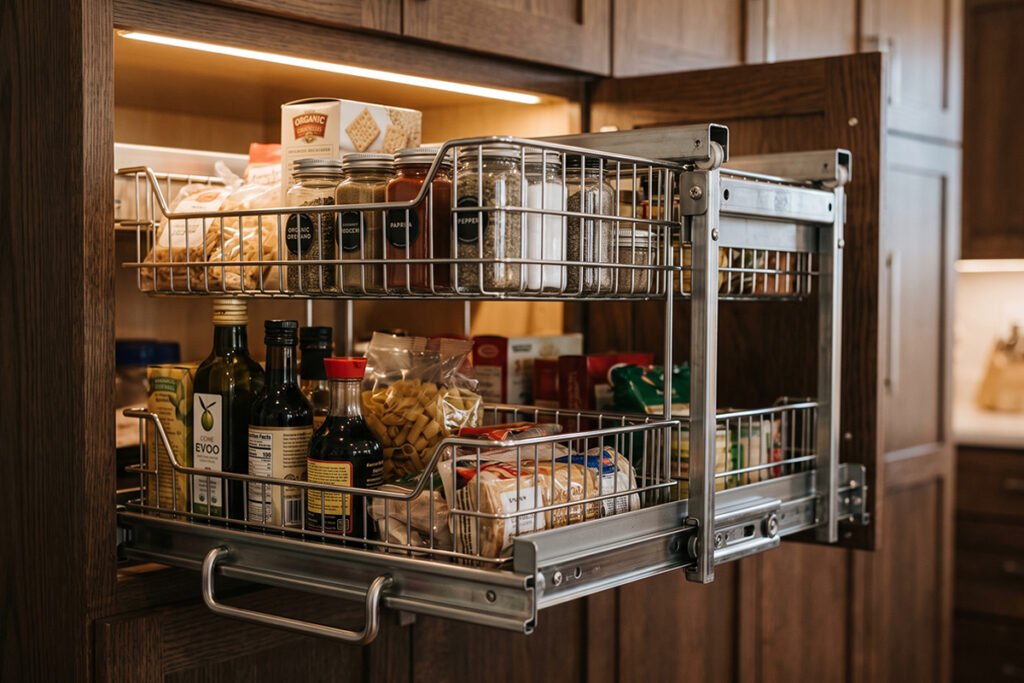
A Murphy pantry is a space-saving cabinet unit that folds out or slides smoothly into a wall cavity. Inspired by Murphy beds, these hidden storage solutions maximize usable space in compact modern kitchens. Installing slim stackable wire baskets inside Murphy pantries keeps stored items secure during movement.
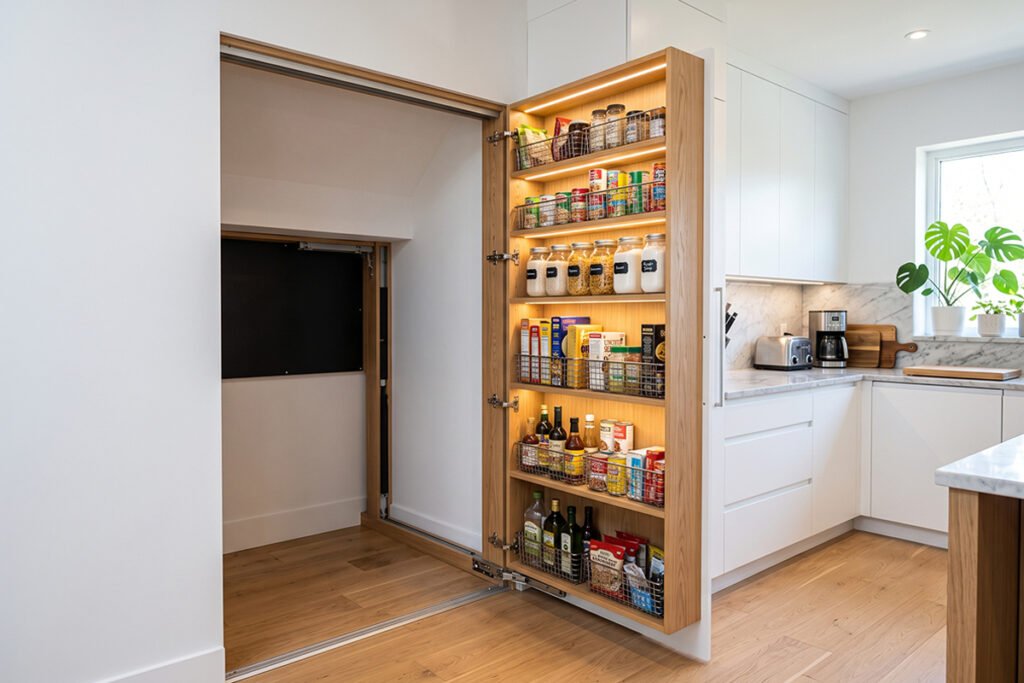
These units are ideal for apartments or smaller homes where standard walk-in pantries are not possible. Wire baskets keep cans from shifting or falling when the unit folds closed. Choosing lightweight yet durable steel organizers preserves the balance and operation of these mechanical cabinets.
What Two Foods Never Expire?
White rice and pure honey are famous for having virtually indefinite shelf lives when stored properly. Honey’s low moisture content and acidic pH prevent bacteria growth, allowing it to remain edible for centuries. White rice stored in oxygen-free containers stays fresh and nutritious for decades without spoiling.
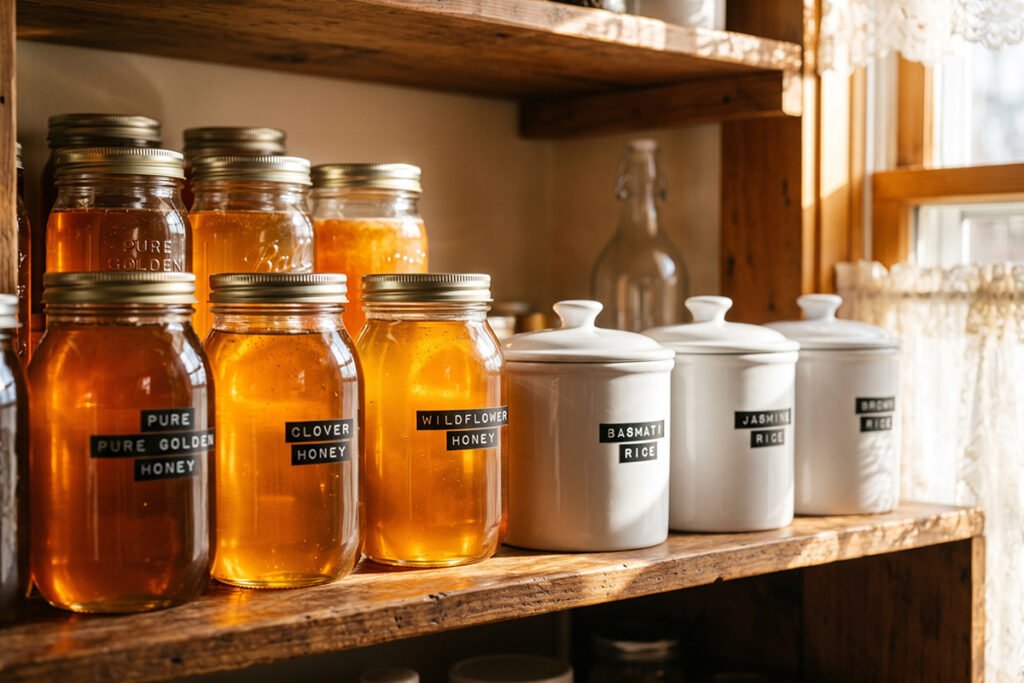
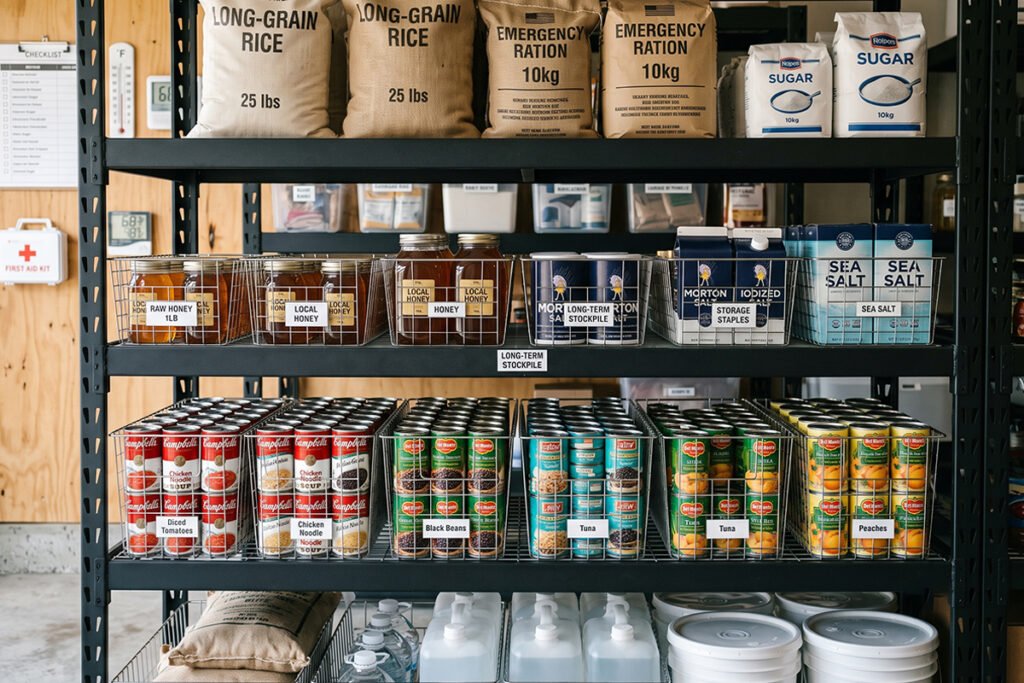
Other long-lasting staples include salt, sugar, and dry beans, which resist spoilage under dry conditions. While canned goods eventually suffer flavor loss over decades, these core staples remain usable indefinitely. Combining long-term dry goods with canned proteins builds a complete, reliable food supply.
What Is the Unhealthiest Canned Food?
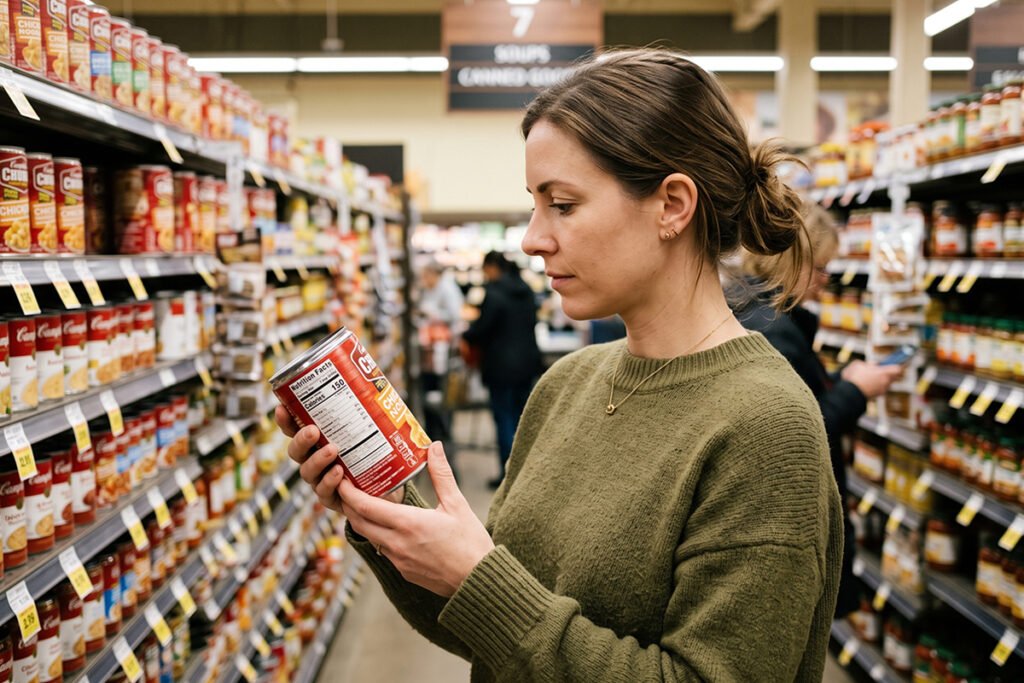
Canned foods high in sodium, saturated fats, and heavy syrups are generally the least healthy choices. Canned pasta meals, processed cream soups, and canned meats often contain high sodium levels to boost flavor and shelf life. Reading nutrition labels helps you identify healthier alternatives with lower sodium content.
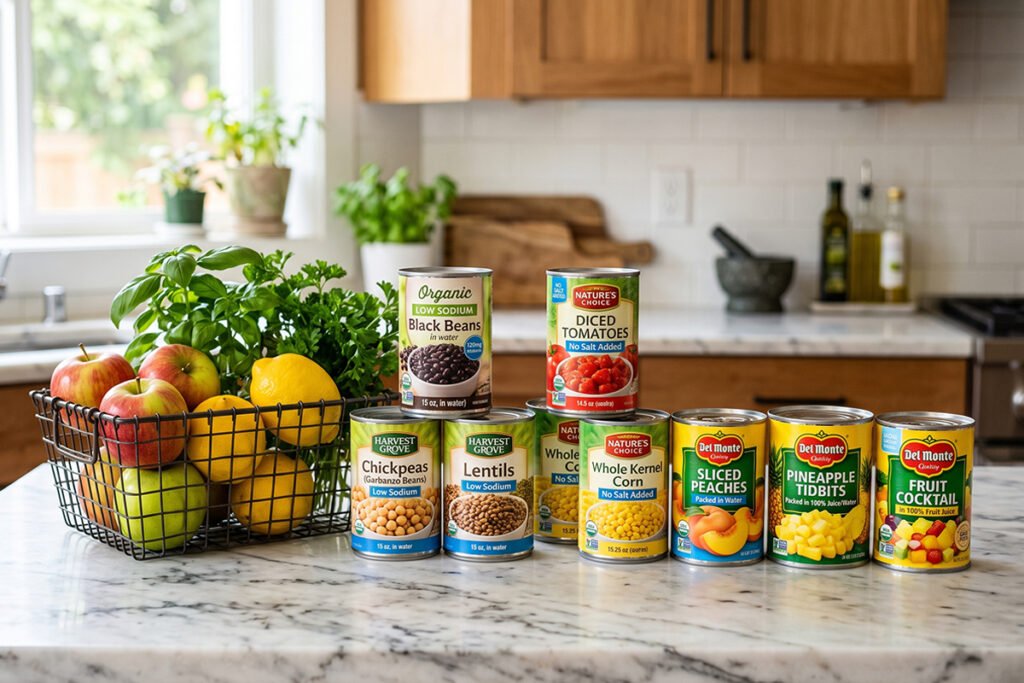
Fruits packed in heavy sugar syrup add unnecessary calories without providing additional nutritional value. Choosing canned fruits packed in 100% real fruit juice or water significantly reduces added sugars. Opting for low-sodium or no-salt-added canned vegetables supports better long-term heart health.
Can You Eat 20 Year Old Canned Food?
Commercial canned food remains safe to eat well past its printed date if the can remains intact. As long as there is no rusting, denting, or bulging, the food inside remains sterile and safe. However, the taste, texture, and nutritional value will degrade significantly over two decades.
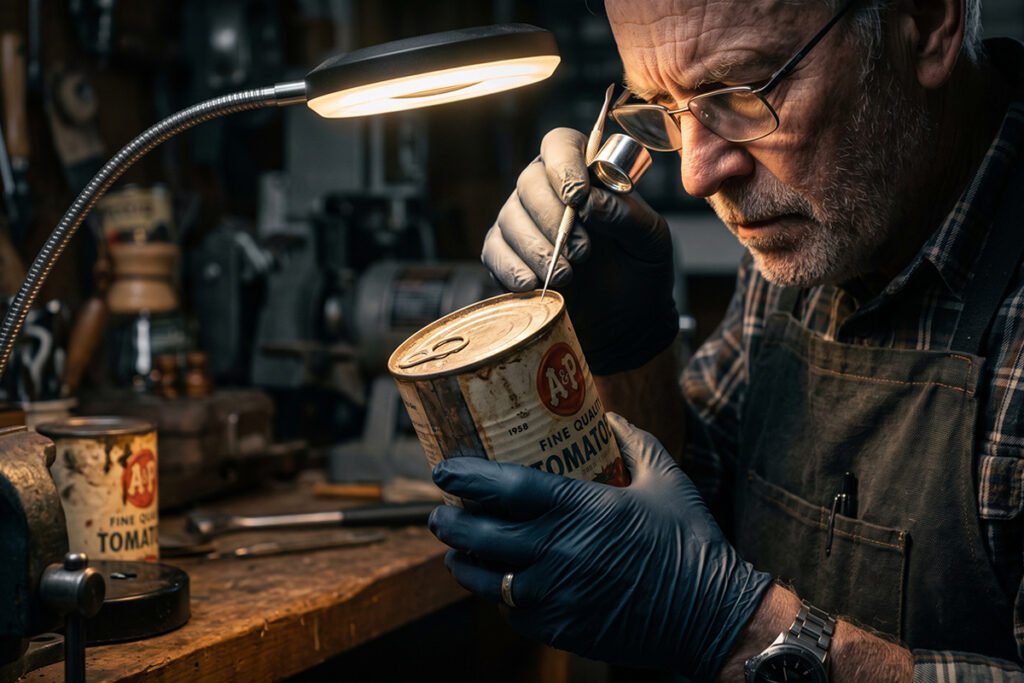
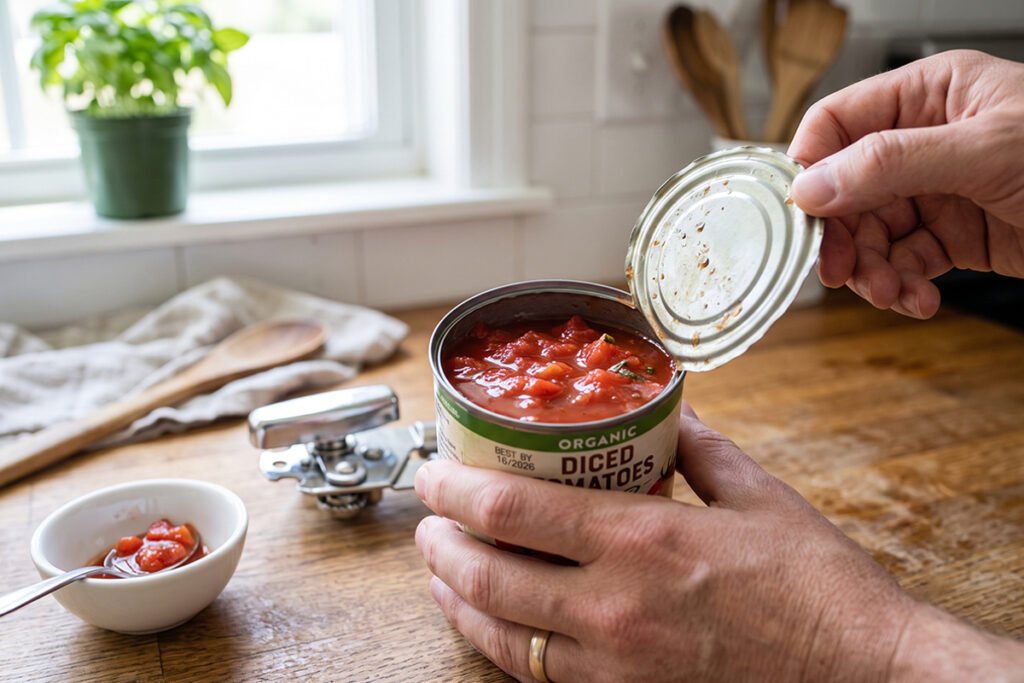
When opening vintage canned goods, check carefully for off odors, discoloration, or spurting liquids. If the food smells normal and shows no signs of spoilage, it is technically safe to consume. For best quality and taste, enjoy your canned goods within 2 to 5 years of purchase.
What Are the 20 Must-Have Foods to Stockpile That Never Expire?
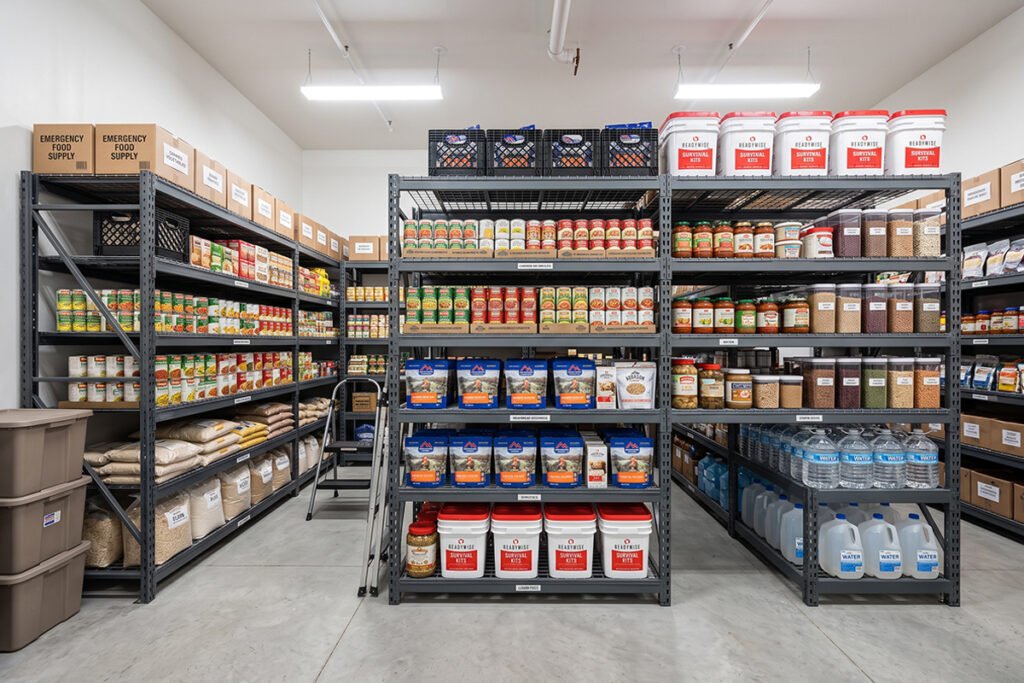
Building a long-term food stockpile requires choosing shelf-stable items that maintain nutritional value over time. Essential non-perishable staples include white rice, dried beans, pure honey, rolled oats, and iodized salt. Adding canned proteins like tuna, chicken, and spam ensures balanced nutrition during emergencies.
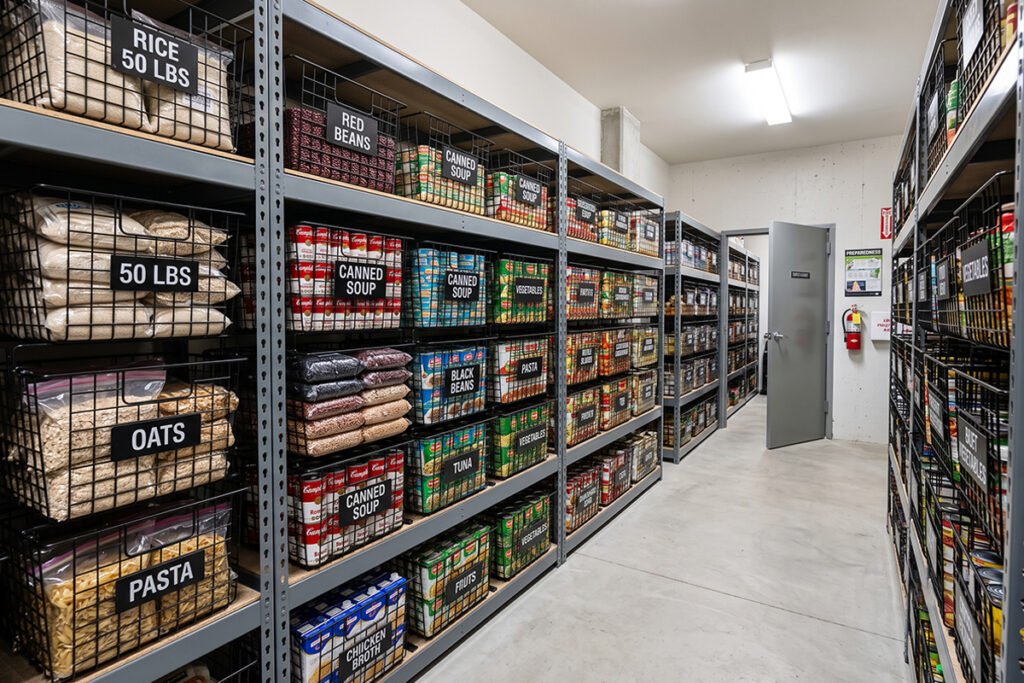
Incorporate powdered milk, baking soda, instant coffee, apple cider vinegar, and white sugar into your inventory. Canned tomatoes, peanut butter, bouillon cubes, vegetable oil, and canned vegetables round out the top twenty essentials. Store these items securely using a structured pantry organization system to prevent moisture damage.
Can I Eat 100 Year Old Canned Food?
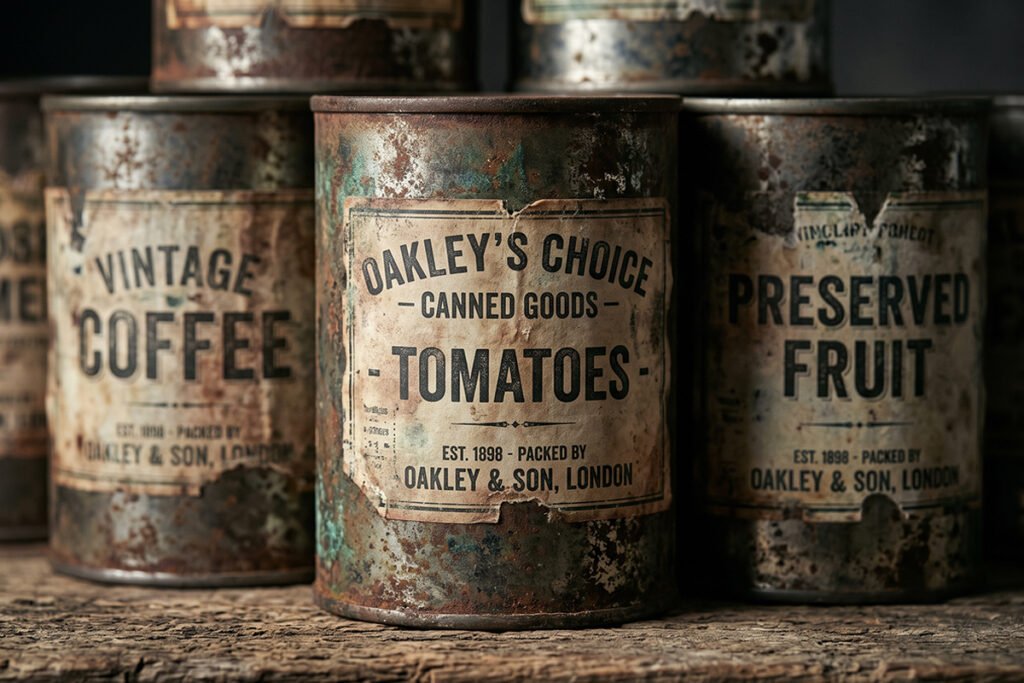
Technically, canned food from a century ago can remain sterile if the seal remains unbroken. Historical tests on century-old canned goods have shown that microbes cannot survive in sealed, undamaged cans. However, chemical reactions over a hundred years ruin the food’s flavor, appearance, and nutrient content.
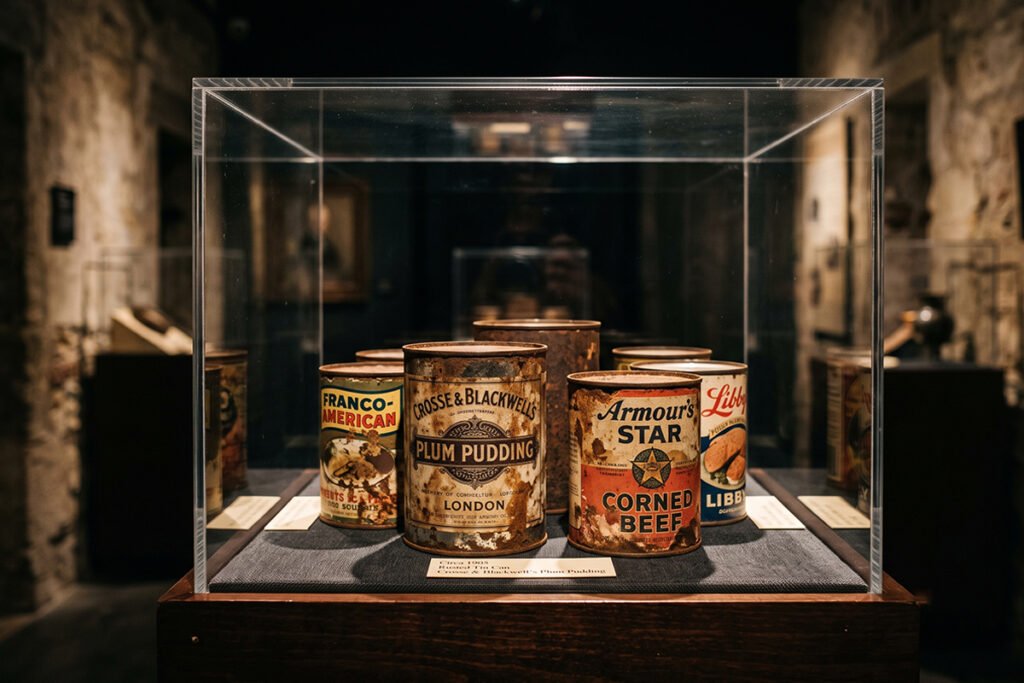
While eating century-old canned food likely won’t cause bacterial food poisoning, it will taste metallic and unappetizing. The food’s vitamins and structure break down almost completely over such long periods. It is best treated as an interesting historical artifact rather than a viable meal option.
What Canned Food to Stockpile for Emergencies?
When preparing an emergency stockpile, prioritize nutrient-dense canned foods that require minimal preparation or heating. Canned meats, fish, ready-to-eat chili, and heart soups supply calories and protein during power outages. Storing these heavy items in heavy duty steel pantry baskets for canned goods keeps your emergency kit organized.
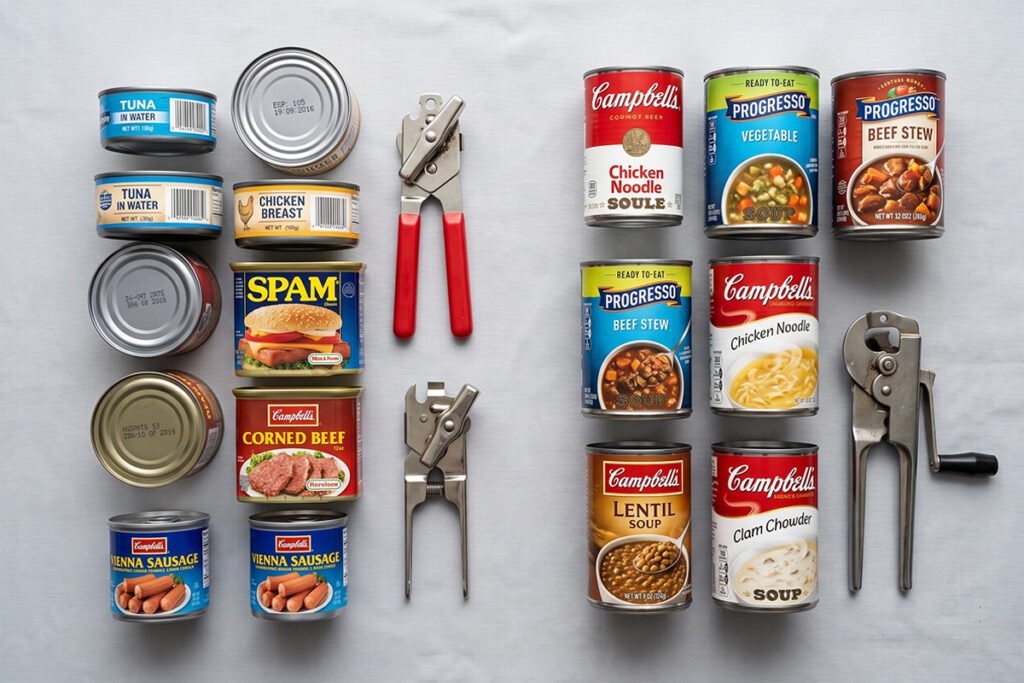
Include canned vegetables, fruits, and fruit juices to maintain vitamin intake during emergencies. Don’t forget to store a manual can opener directly alongside your canned food supply. Organizing items by category helps family members quickly locate essential meals during unexpected disruptions.
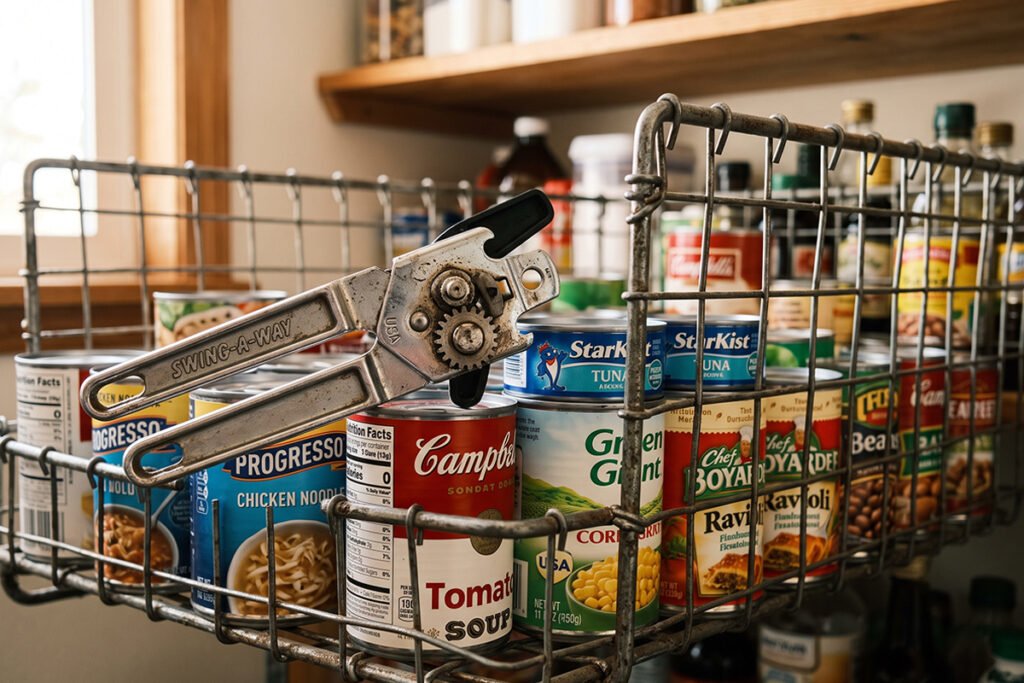
What Canned Goods Last 10 Years?
While most commercial cans carry 2-to-5-year best-by dates, certain canned items maintain quality for up to ten years. Canned meats like spam, tuna, and chicken retain protein value for a decade when kept in cool conditions. Canned dry goods like freeze-dried fruits and dehydrated vegetables inside sealed tins also last ten years.
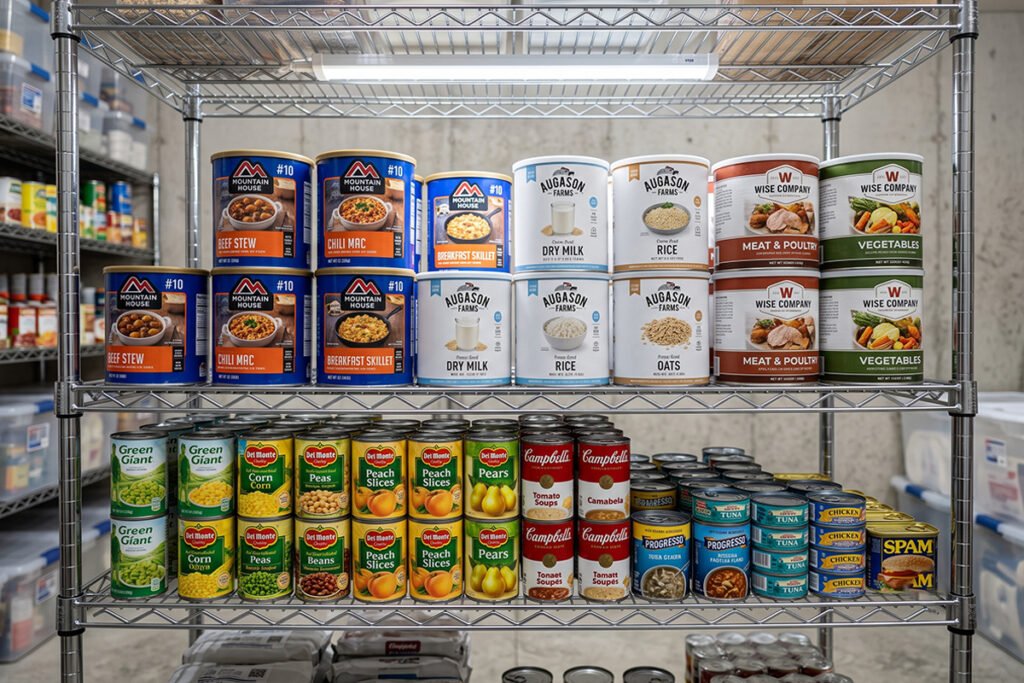
Maintaining a steady temperature below 70 degrees Fahrenheit is key to achieving a ten-year shelf life. Keep your food containers off cold concrete floors by storing them in raised wire baskets. Protecting your investment with proper storage preserves food quality and safety over long periods.
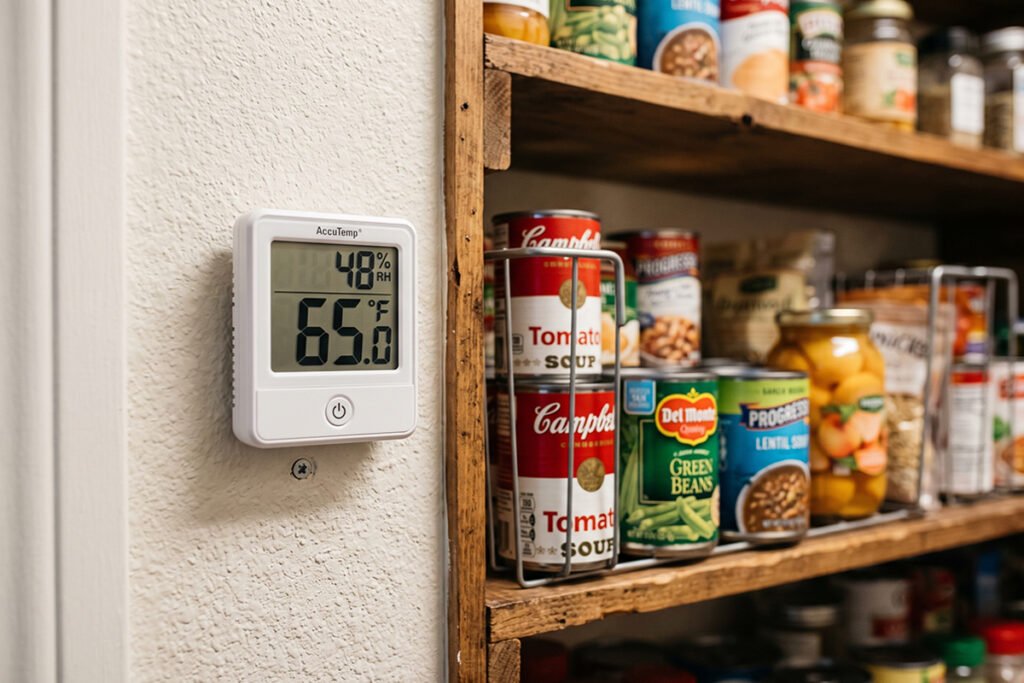
How to Store Canned Goods in Your Pantry Efficiently
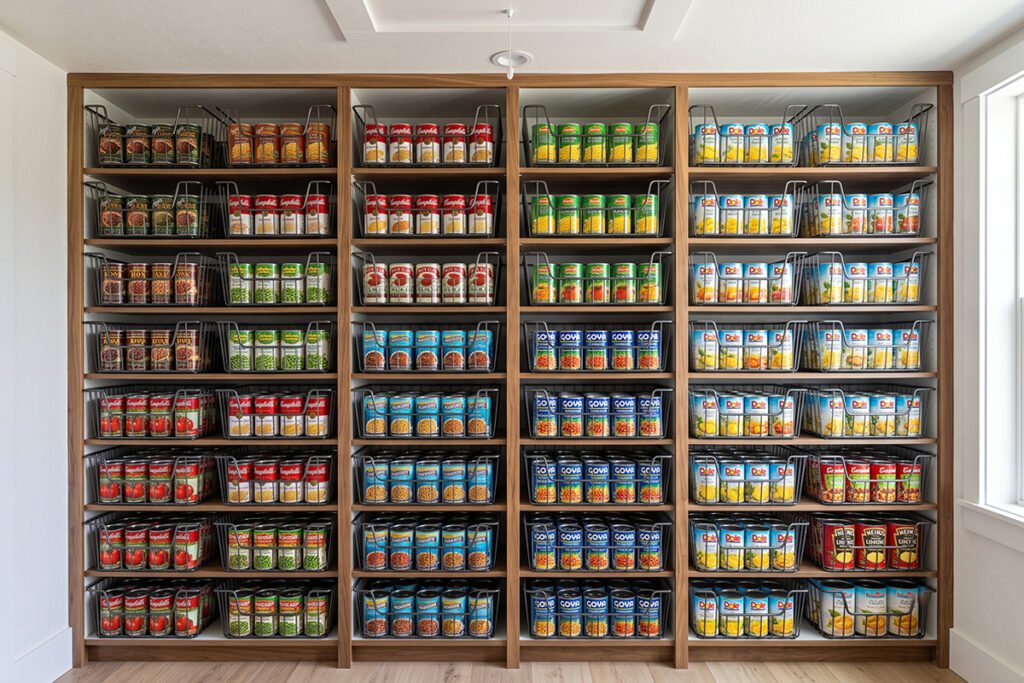
Efficient pantry storage relies on logical categorization and visible, accessible arrangements across every shelf. Group similar items like sauces, soups, and vegetables together using dedicated wire storage containers. Implementing a clear open-front basket design makes grab-and-go access simple for every family member.
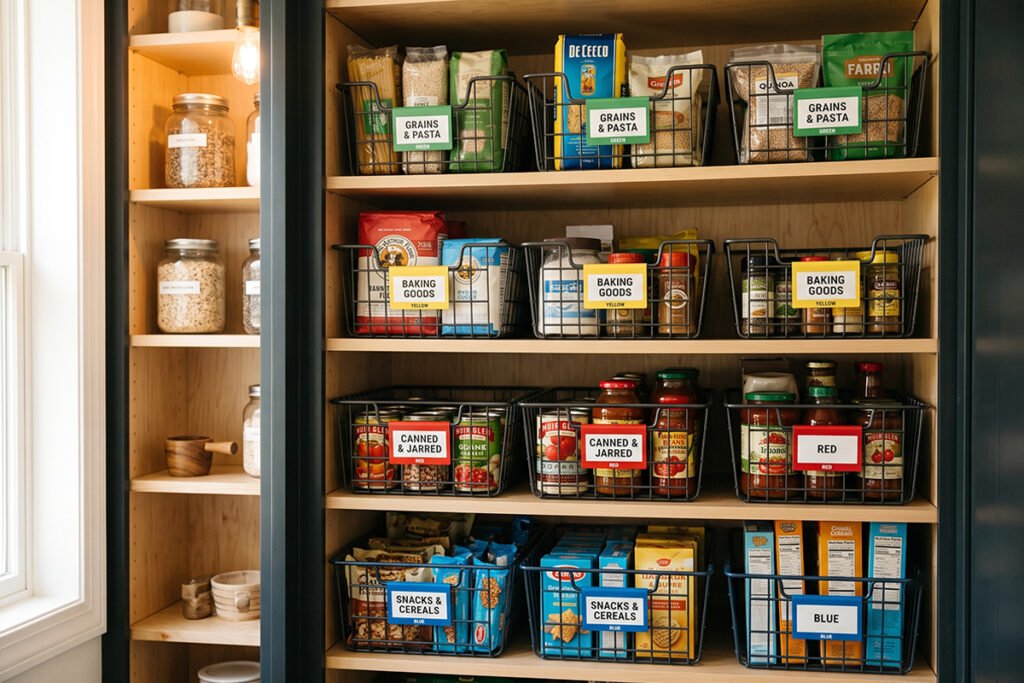
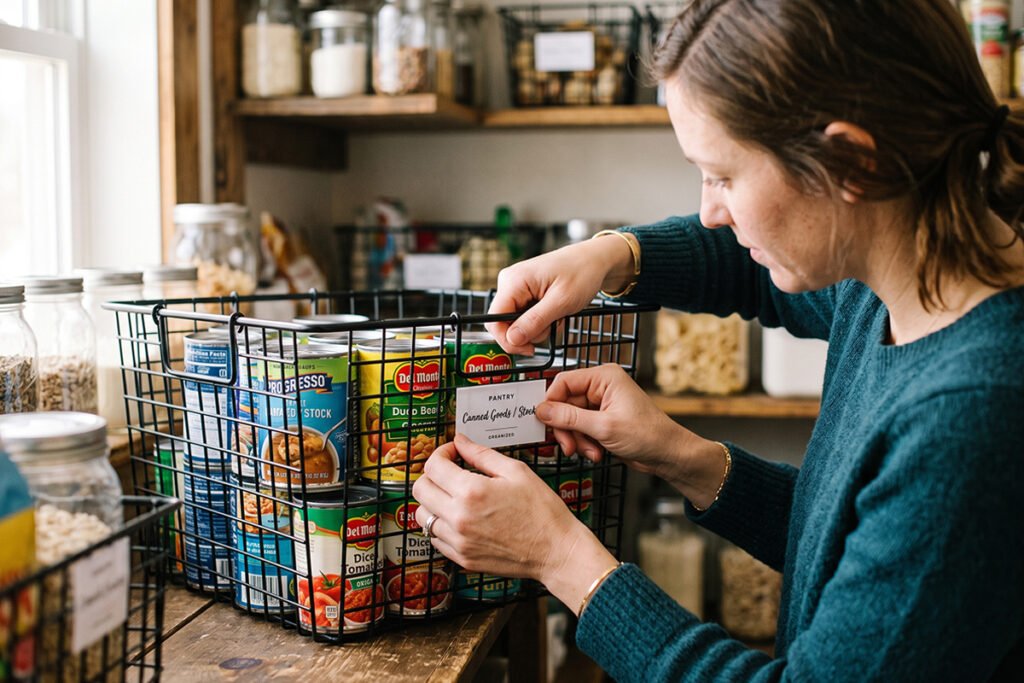
Use vertical space effectively by adding stackable wire bins or tiered shelf risers. Label each basket clearly so everyone returns items to their proper place after grocery shopping. This simple discipline prevents clutter and keeps your kitchen running smoothly every day.
Why Shouldn’t You Leave Food in Open Cans in the Fridge?
Leaving open tin cans in the refrigerator can cause metal to transfer into the food, affecting its taste. Once opened, air enters the can and accelerates the reaction between the food’s acid and the metal lining.
Leaving open tin cans in the refrigerator can cause metal to transfer into the food
This process gives foods like canned tomatoes or fruit an unpleasant metallic flavor.
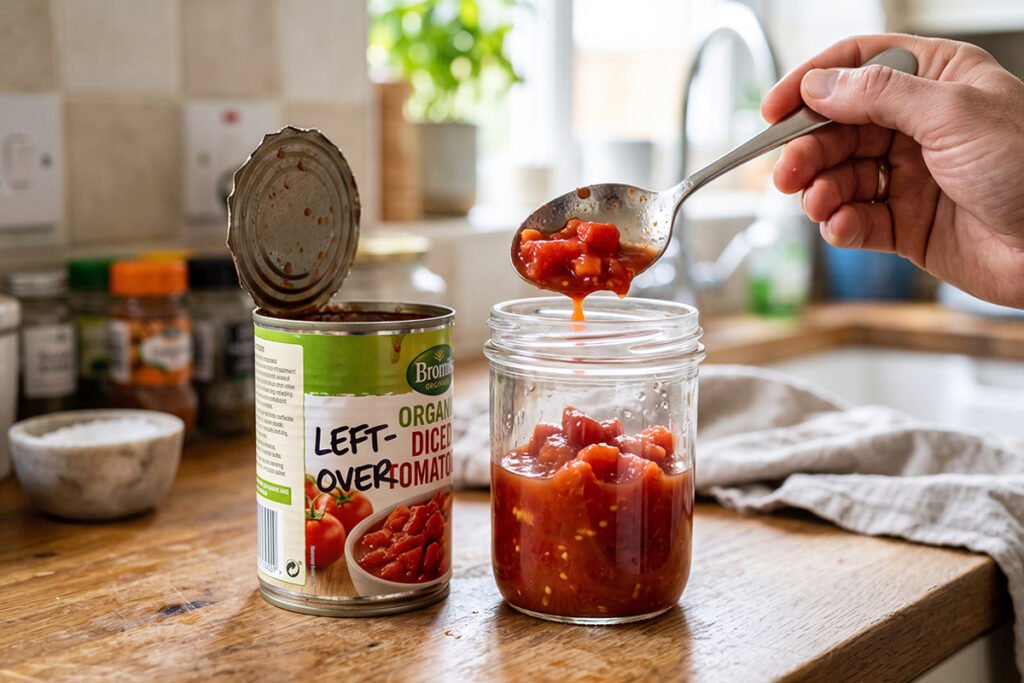
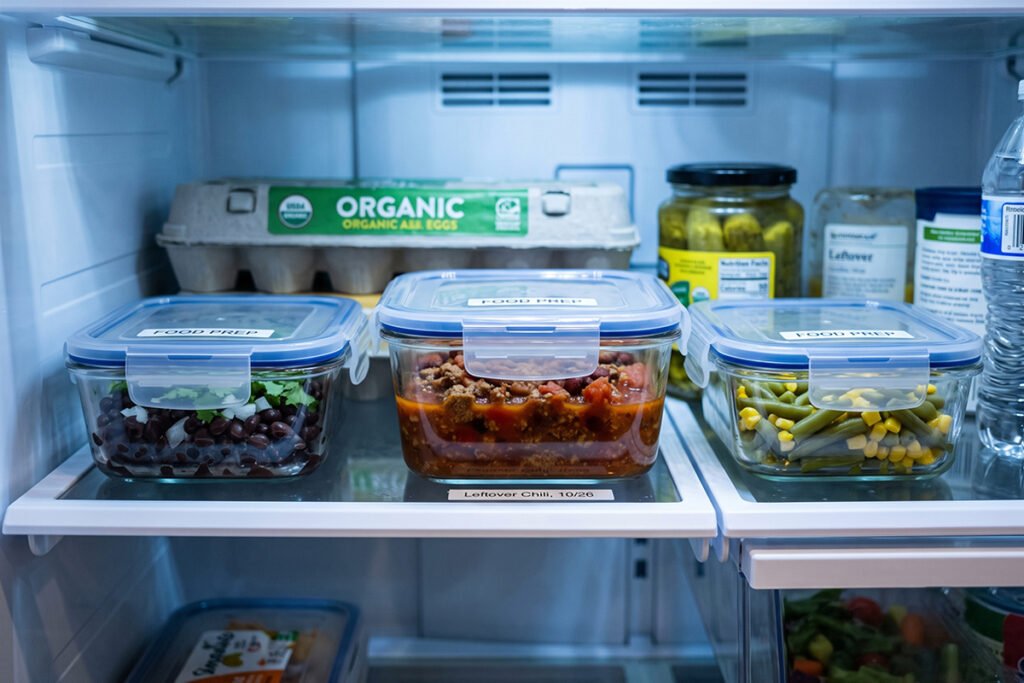
Additionally, open cans do not seal out refrigerator odors, leading to faster food degradation and drying. Transfer unused portions into airtight glass or food-safe plastic containers before chilling. This simple step preserves flavor, extends freshness, and prevents food waste.
Top Recommended Pantry Organization Products to Buy
- mDesign Deep Metal Wire Pantry Storage Baskets: High-capacity steel wire bins featuring an integrated front handle for easy cabinet retrieval.
- Simple Houseware Stackable Can Rack Organizer: Heavy-gauge steel construction designed to hold up to 36 standard soup cans with smooth gravity feed.
- Sorbus Stackable Wire Market Baskets: Modular steel wire bins featuring an open-front basket design ideal for heavy pantry storage.
- DecoBros 3-Tier Can Organizer Holder: Durable steel rack built with a warm bronze finish to maximize vertical shelf space in deep cabinets.
- Yecaye Heavy Duty Steel Wire Baskets: Reinforced metal bins offering a high-capacity rust-resistant finish for long-term food storage.
Conclusion
Upgrading your kitchen storage with heavy duty steel pantry baskets for canned goods provides the perfect balance of structural strength and visual clarity. These durable metal bins prevent shelf sagging, streamline stock rotation, and protect your food supply over time.
By implementing a systematic organization plan, you eliminate cabinet clutter and transform your pantry into a functional, efficient space. Start organizing your canned goods today to enjoy a cleaner, better-managed kitchen every day.
Leave a Reply