

This comprehensive article outline addresses the structural design requirements for drawer storage alongside vital safety questions regarding plastic food prep. Readers will learn how to choose leakproof, modular containers while gaining clear guidance on resin safety, microplastic risks, and trusted container brands.
Table of Contents
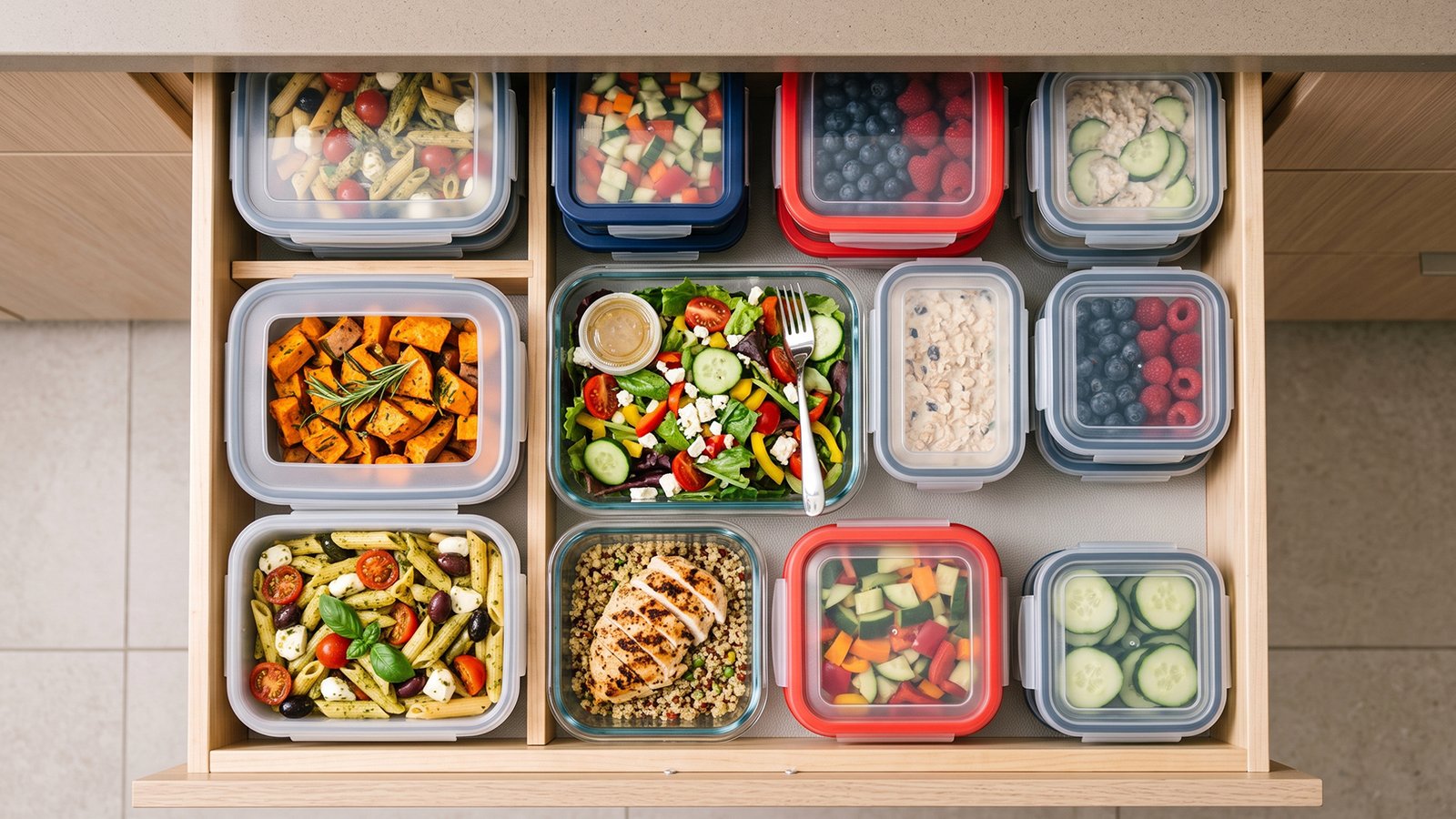
Standard deep drawers require specialized container dimensions to prevent lid jamming and stuck storage boxes. Incorporating BPA free plastic food container sets for drawers with a low-profile height ensures that every lid slides open effortlessly without scraping the cabinet frame. Choosing shallow, stackable container sets lets you maximize vertical space without sacrificing easy access.
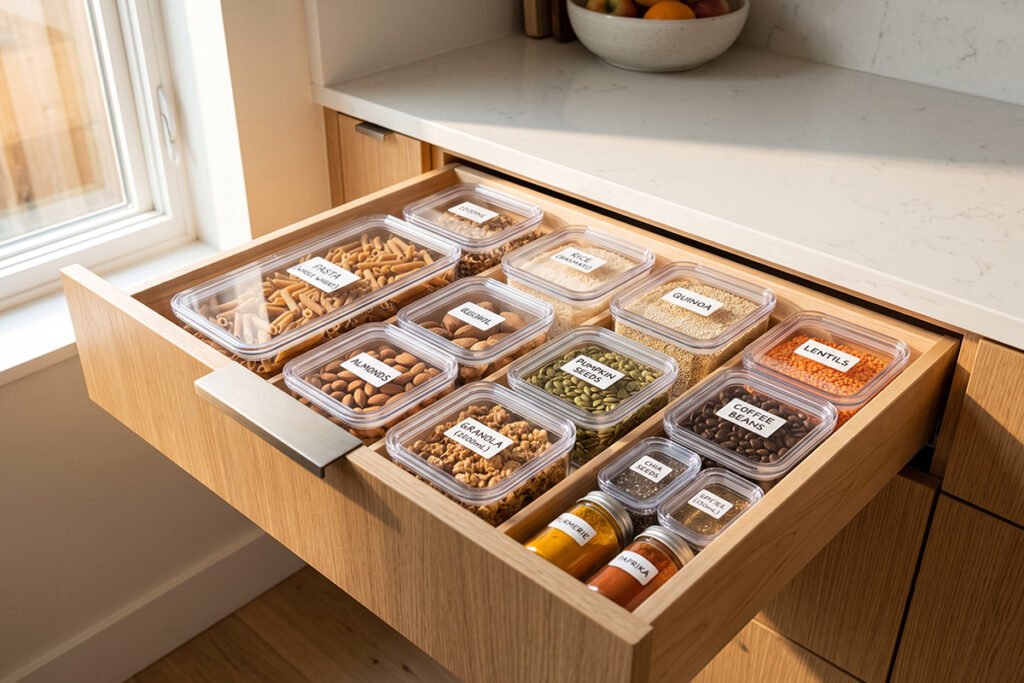
Selecting low-profile designs built from polypropylene plastic delivers lightweight durability that fits standard drawer clearance heights. These compact builds allow you to arrange items in a flat grid pattern across your entire drawer basin. As a result, you eliminate messy overhead stacks and enjoy seamless daily meal prep access.
Low-profile containers adhere strictly to modern food safety standards while remaining easy to maneuver during heavy cooking sessions. Their shorter sidewalls reduce structural strain, making them inherently shatterproof food containers during accidental kitchen drops. Investing in low-profile options transforms chaotic drawer space into a high-efficiency storage system.
Looking into a deep drawer from above means traditional side labels become completely invisible during daily prep. Containers featuring clear, flat tops give you instant top-down visibility so you can identify stored ingredients immediately. Upgrading to transparent lids enhances your drawer organization systems without requiring tedious external label makers.
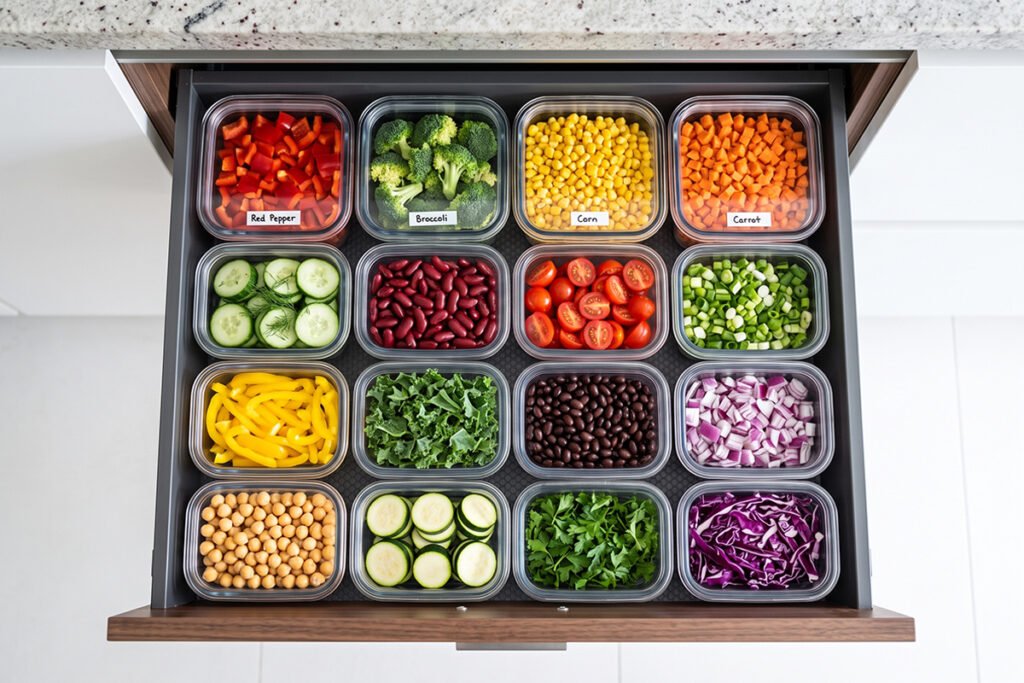
Flat lids also facilitate effortless vertical stacking within deep pull-out drawers. When paired with advanced airtight seal technology, these flat surface lids prevent air leakage and keep dry goods fresh for longer. You can layer small condiment tubs directly on top of larger meal prep boxes without tipping over.
Choosing lid materials built with dishwasher safe plastics guarantees top-down optical clarity won’t cloud over repeated washing cycles. Scratch-resistant clear tops remain pristine even after months of intense kitchen use. This design choice ultimately creates a visually appealing and organized kitchen workspace.
Randomly shaped containers waste valuable square footage in square or rectangular kitchen drawers. Implementing modular kitchen storage principles ensures that every piece fits together like a perfect puzzle without awkward gaps. Uniform base dimensions eliminate shifting when opening and closing deep pull-out drawers quickly.
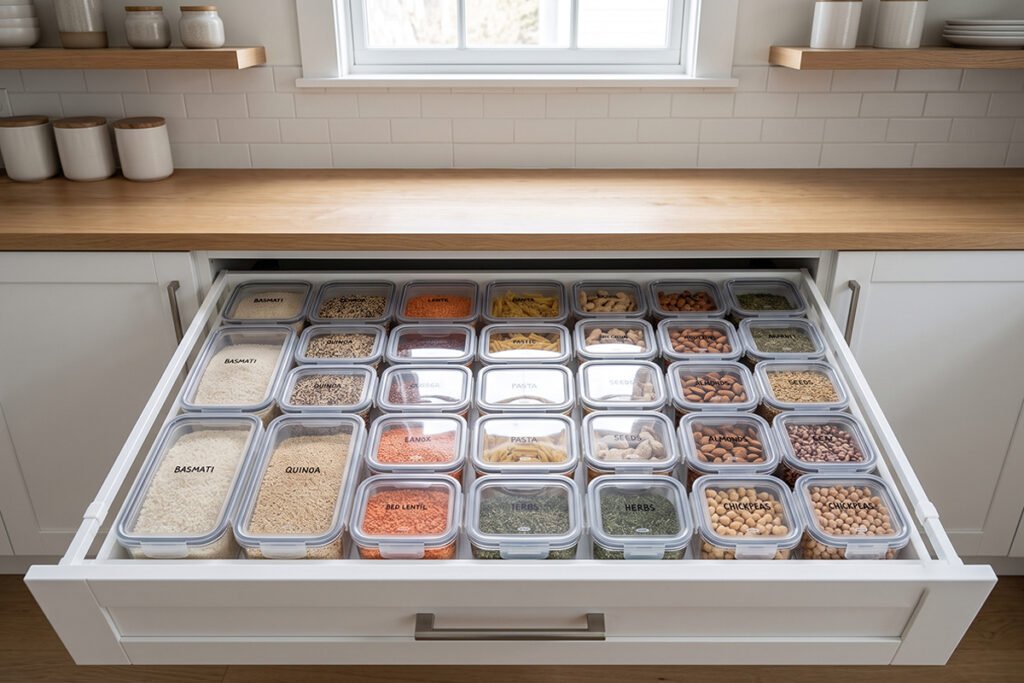
Modular systems utilize standardized square and rectangular shapes that stack neatly in multiple configurations. Choosing certified non-toxic storage containers with modular footprints allows you to customize layouts as your storage needs evolve over time. This flexibility keeps your prep space organized regardless of meal sizes.
By standardizing footprint dimensions, you drastically minimize the friction that could trigger microplastic leaching over extended periods. Tight-fitting modular units prevent containers from rattling against drawer walls during rapid movements. This smart layout strategy delivers both long-term health benefits and spatial efficiency.
Leakproof Latches
Securing your food in drawers requires heavy-duty sealing mechanisms to prevent accidental spills when opening and closing deep cabinets. Containers equipped with snap-down latches create a vacuum-tight environment that keeps soups and sauces strictly contained. Incorporating high-grade BPA free plastic food container sets for drawers prevents liquid mess from seeping into wood or laminate drawers.
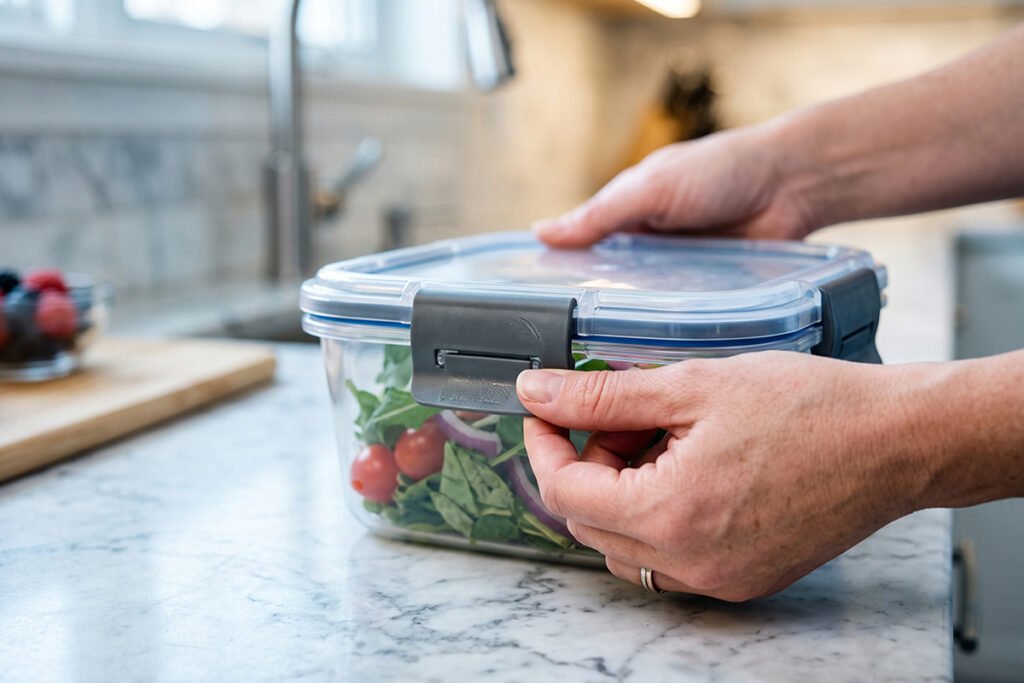
These locking mechanisms work by compressing a flexible silicone gasket between the rim and the clear lid. Utilizing this advanced airtight seal technology preserves dry pantry goods and moist leftovers with equal effectiveness. You can open smooth-glide drawer runners at full speed without worrying about sloshing liquids.
Engineered latching lids also protect food from absorbing ambient kitchen odors or pantry moisture. Made with durable dishwasher safe plastics, these latches maintain their hinge strength through hundreds of cleaning cycles. Robust snap locks ensure your stored meals stay fresh and safe over long periods.
What is the safest plastic container for food?
The safest plastic choices for food contact are those certified free from harmful chemical plasticizers. High-grade food containers typically utilize virgin polypropylene, denoted by resin recycling code 5, due to its exceptional heat resistance and chemical stability. Choosing these materials ensures your kitchen aligns with modern food safety standards during everyday prep.
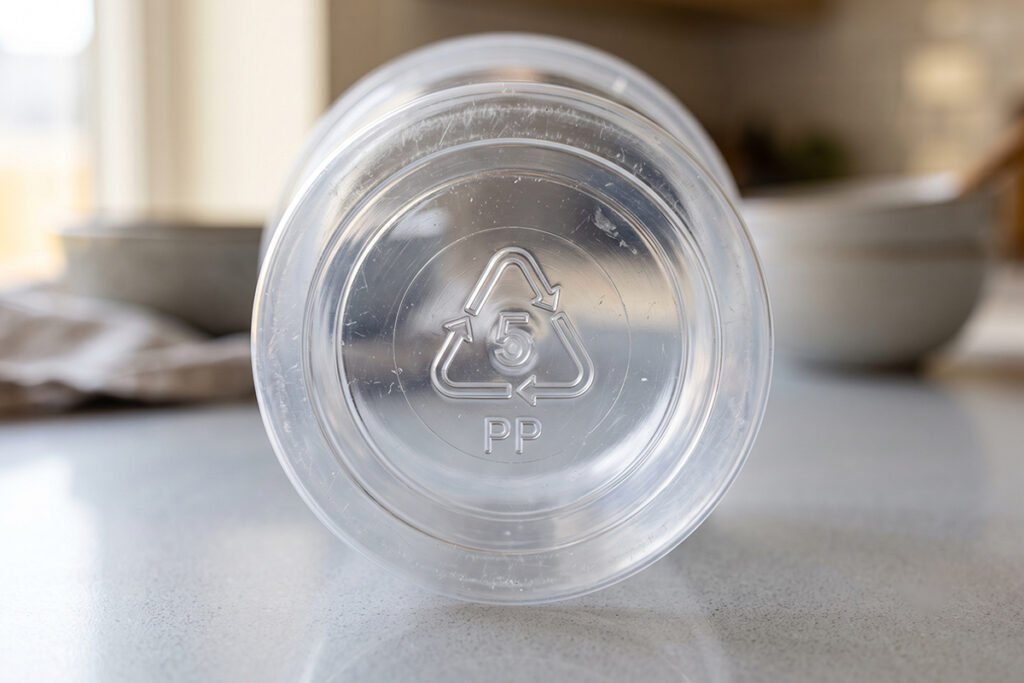
Unlike lower-grade alternatives, polypropylene does not easily degrade when exposed to acidic foods or warm temperatures. Selecting certified non-toxic storage containers shields your family from chemical Migration risks while preserving natural food flavors. These containers offer peace of mind for daily breakfast, lunch, and dinner storage needs.
Always inspect product labels for explicit safety testing credentials before buying new kitchen sets. Look for independent lab certifications validating that the plastic is fully phthalate-free and non-reactive. Verified container construction provides the highest level of health protection for long-term meal prep.
Is BPA free plastic safe for food storage?
Yes, BPA-free plastic is widely recognized as safe for routine food storage by major health regulators.
Recognized As Safe For Routine Food Storage By Major Health Regulators
Manufacturers replace bisphenol A with safer polymers that prevent plastic resins from leaching into your stored food. This structural shift creates dependable shatterproof food containers ideal for family kitchens and busy daily routines.
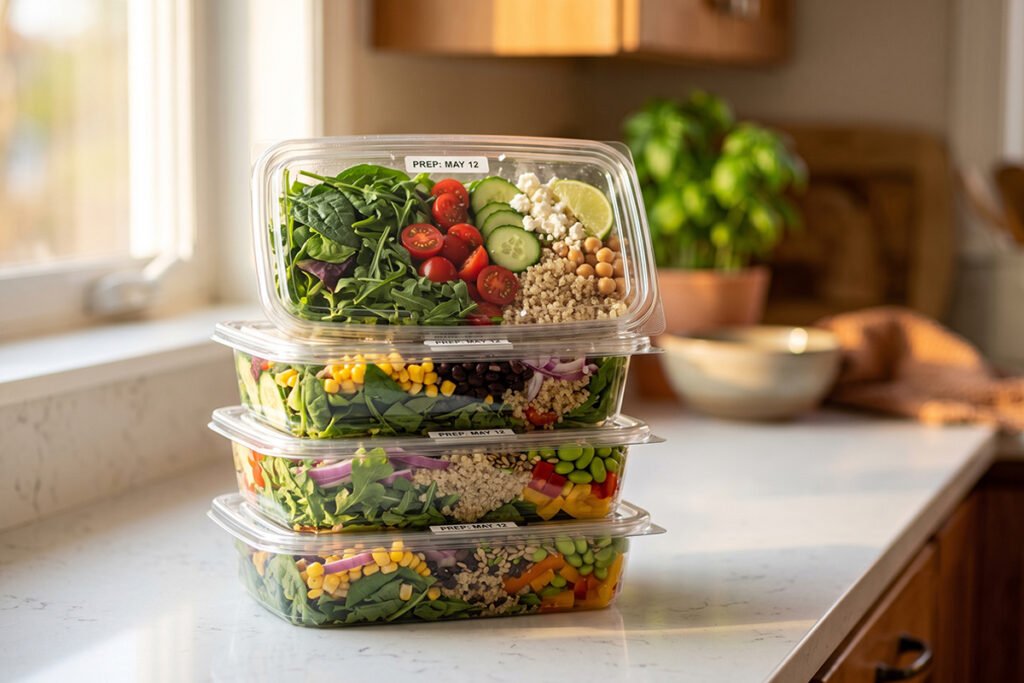
However, safety during daily use heavily depends on how you treat and clean your storage containers. Avoiding severe overheating in high-wattage microwaves reduces the likelihood of chemical stress on the plastic. Choosing containers designed for standard drawer organization systems allows you to store dry and chilled items with total confidence.
Tired of Messy Spice Cabinets?
Discover the best wooden spice drawer organizers that instantly turn your chaotic drawer into a clean, chef-inspired spice station.
Proper maintenance ensures your plastic containers remain stable and safe over years of meal prep. Hand washing or utilizing top-rack dishwasher settings prevents extreme thermal distortion of the protective base. Following these simple usage guidelines maximizes both safety and physical lifespan.
What food storage containers are safe from microplastics?
No plastic container is completely immune to wear, but high-density polypropylene offers superior resistance against physical shedding. Containers made from high-grade virgin polymers resist abrasion better than cheaper single-use plastics. Choosing thick-walled stackable container sets minimizes surface degradation caused by metal utensils and rough handling.
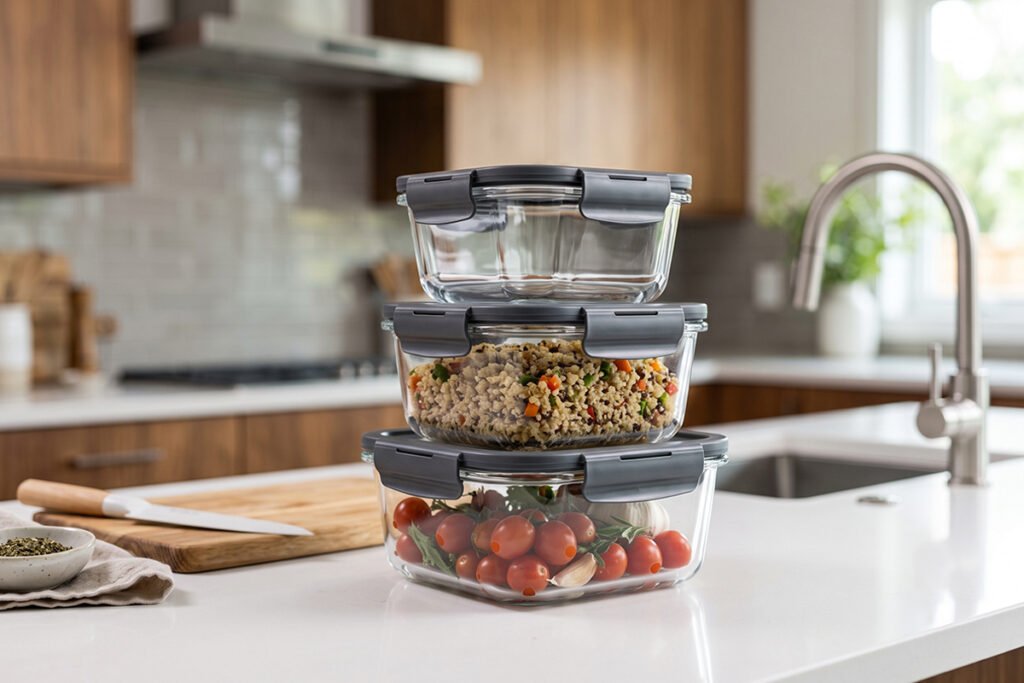
To further eliminate microplastic exposure, consider pairing your plastic drawer sets with tempered glass alternatives. Glass food vessels provide an entirely non-porous surface that never sheds synthetic particles into warm food. Many organized kitchens combine lightweight plastic lids with glass bases for optimal balance.
Mindful usage habits play a massive role in limiting particle shedding over time. Avoid using harsh abrasive scouring pads when washing plastic container walls after dinner. Gentle cleaning preserves the smooth interior finish and keeps microplastic leaching to an absolute minimum.
How do you know if a plastic is BPA free?
Identifying genuine BPA-free plastic requires checking the bottom embossed stamps on the container base. Reputable brands clearly print “BPA-Free” directly onto the mold alongside the resin identification number. Choosing products manufactured with transparent polypropylene plastic provides clear visual proof of food-safe material quality.
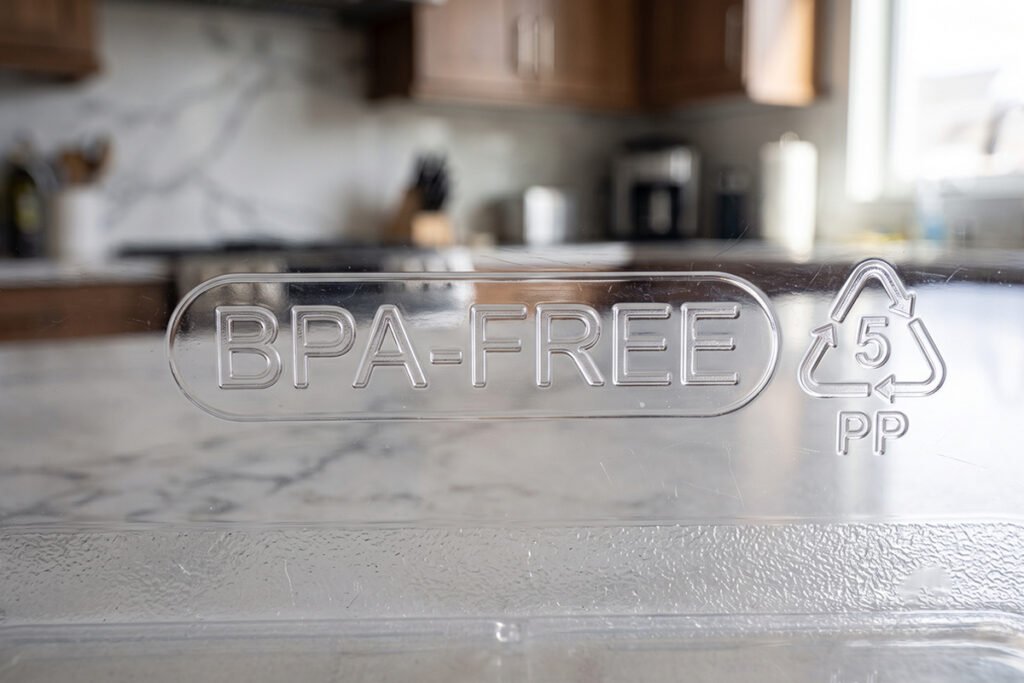
Look specifically for the recycling triangle containing the number 5 or the letters “PP” stamped into the base. If a container exhibits a number 7 code without an explicit BPA-free label, it may contain unwanted bisphenol compounds. Checking these physical stamps protects your home from unverified commercial plastics.
You can also consult manufacturer websites for official third-party chemical testing certificates. Leading kitchen brands openly display their compliance with global health and safety guidelines. Verified testing documentation ensures you purchase safe, authentic food storage products every time.
Do all plastic containers give off microplastics?
Virtually all synthetic polymers release microparticles under friction, heat, or long-term UV exposure. However, the quantity released by food-grade containers during normal storage is exceptionally low compared to single-use wraps. Investing in premium BPA free plastic food container sets for drawers significantly reduces friction-based particle wear.
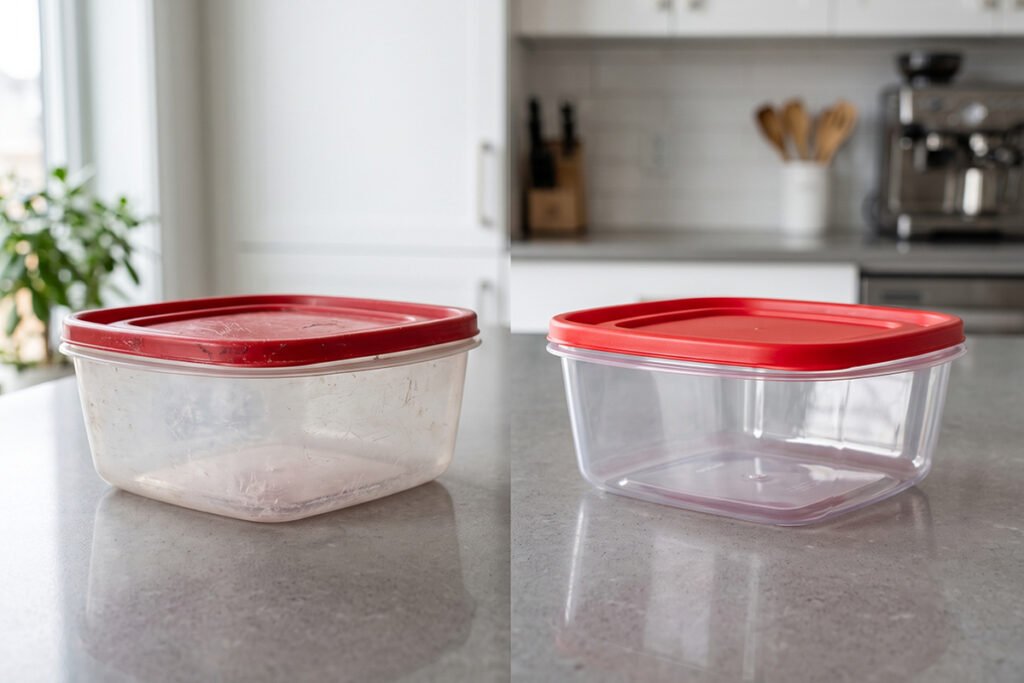
Scratches caused by metal forks, knives, or aggressive scrubbing create microscopic grooves where shedding occurs. Replacing heavily scratched or cloudy containers prevents loose particles from entering your daily meals. Maintaining smooth interior surfaces ensures your food stays clean and uncontaminated.
Heating plastic to extreme temperatures accelerates structural wear and synthetic particle release. Transferring warm leftovers to ceramic plates before microwaving drastically mitigates potential particle shedding. Smart heating habits protect both your container investment and your family’s health.
Is Pyrex free of microplastics?
Pyrex glass vessels are completely free of microplastics because they are manufactured entirely from non-porous soda-lime or borosilicate glass. Glass does not contain synthetic polymers, meaning it cannot shed plastic particles into your food during heating or storage. Choosing glass bases helps establish non-toxic modular kitchen storage arrangements in deep drawers.
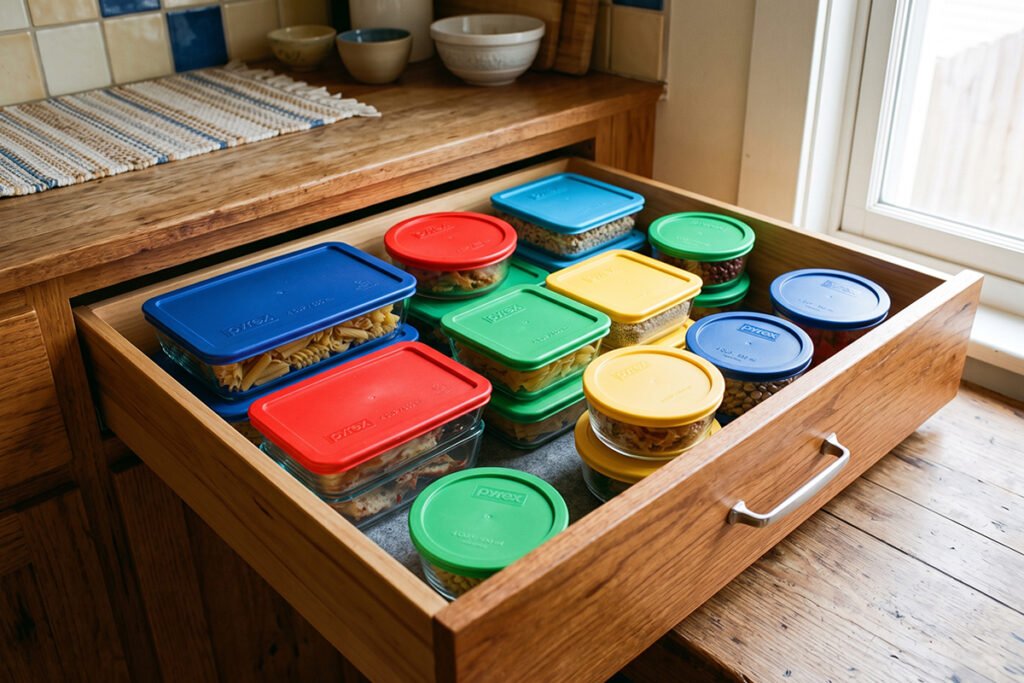
While the glass bases are entirely plastic-free, standard Pyrex sets utilize flexible plastic lids for airtight sealing. These lids are crafted from food-safe materials that do not touch your food when containers remain upright. Keep your glass vessels upright in drawers to enjoy plastic-free storage conditions.
Using glass containers eliminates chemical leaching concerns during heavy microwaving and baking tasks. Glass bases handle sudden temperature changes without warping or degrading over time. Pairing glass bases with low-profile lids creates a clean, durable drawer storage system.
Do Ziploc bags leach microplastics into your food?
Flexible single-use storage bags can release microplastics when subjected to friction, twisting, or high heat. Thin polyethylene films degrade faster under physical stress compared to rigid plastic food storage containers. Utilizing solid BPA free plastic food container sets for drawers provides a far more stable long-term storage solution.
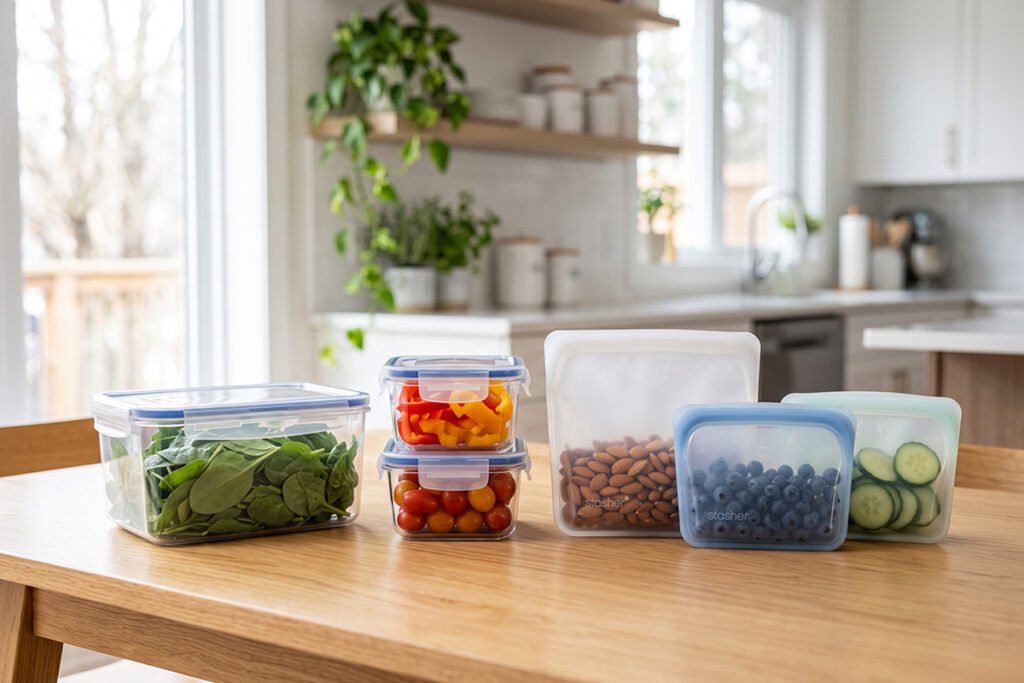
Placing hot or oily foods inside thin plastic bags accelerates chemical migration and structural film breakdown. While Ziploc bags meet basic FDA safety standards for cold dry storage, they are not ideal for reheating meals. Transitioning to rigid containers protects your food from unnecessary plastic contact.
Rigid container walls withstand repeated washing and daily kitchen handling without shedding flexible film particles. They also stack far better inside pull-out drawers than floppy plastic bags ever could. Upgrading to rigid sets enhances both food safety and overall drawer organization.
What plastic is number 1 BPA free?
Resin code 1 refers to Polyethylene Terephthalate, commonly known as PET or PETE, which is inherently BPA-free. PET is widely used for disposable water bottles, clear fruit clamshells, and lightweight condiment jars. While PET plastic is naturally free of BPA, it is designed primarily for single-use applications rather than durable kitchen storage.
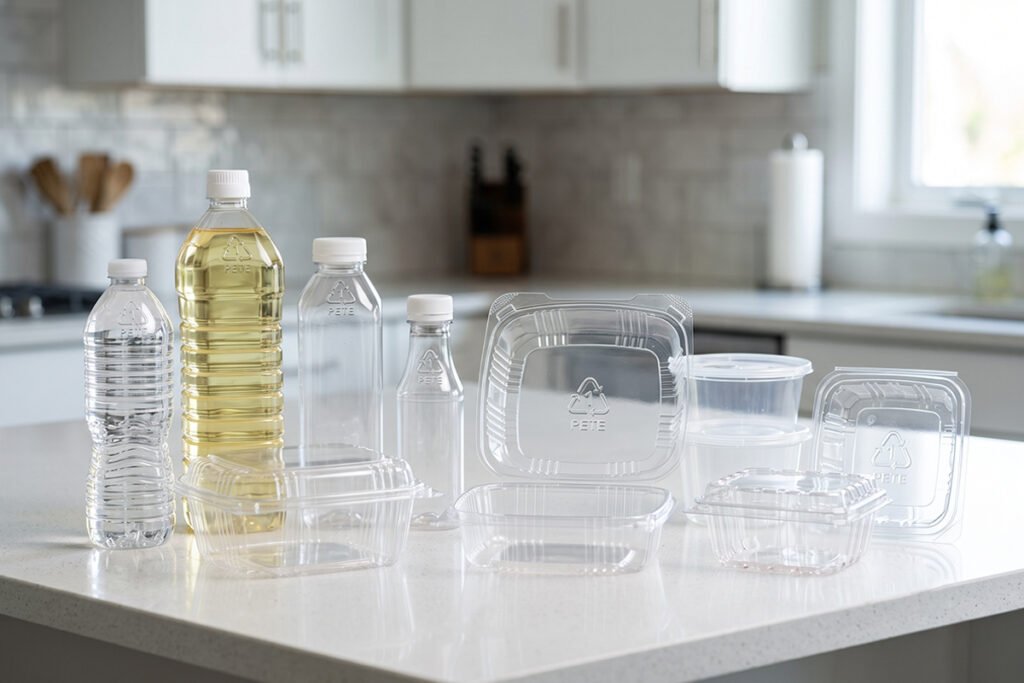
For long-term drawer organization, resin code 5 polypropylene is far superior to code 1 PET plastic. Polypropylene withstands hot water in dishwashers and resists cracking under daily kitchen handling. Opting for code 5 dishwasher safe plastics guarantees far greater structural durability for meal prep.
Understanding resin numbers allows you to make informed decisions when purchasing new container sets. Avoid reusing thin code 1 containers for hot food storage or routine microwave heating tasks. Select robust code 5 plastic sets to ensure maximum longevity and safety.
How do you detox BPA plastic out of your body?
Your body naturally processes and eliminates bisphenol compounds through the liver and kidneys within several hours of exposure. Supporting your natural metabolic detox pathways involves drinking plenty of filtered water throughout the day. Replacing old kitchen plastics with verified non-toxic storage containers prevents ongoing chemical intake.
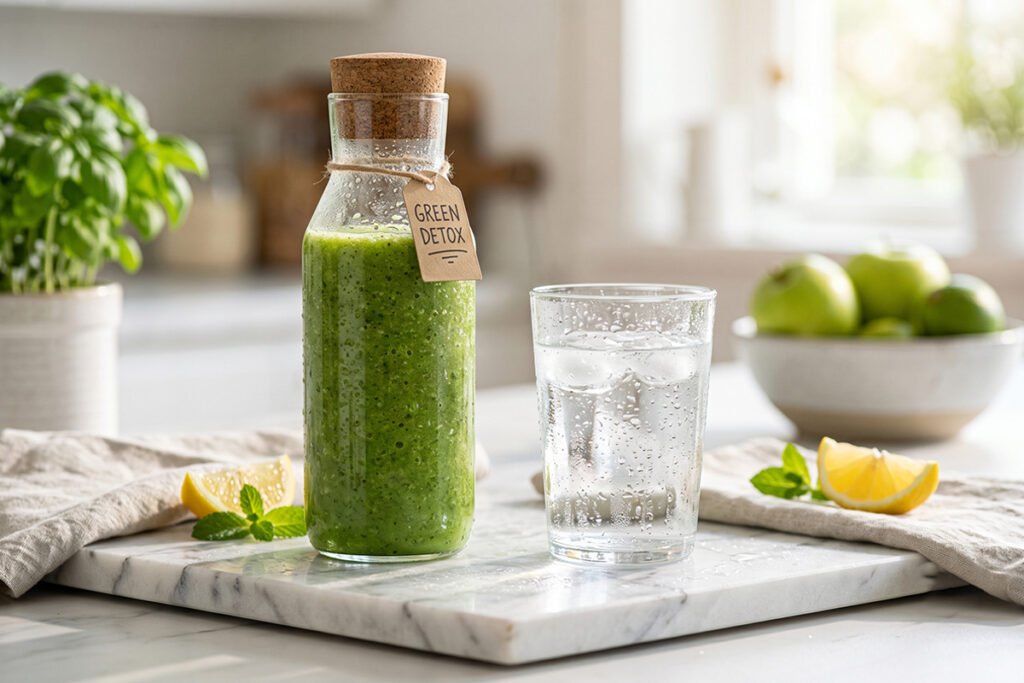
Eating a diet rich in dietary fiber helps bind unwanted environmental toxins within your digestive tract for safe excretion. Cruciferous vegetables like broccoli, cabbage, and Brussels sprouts support liver detoxification enzymes. Combining clean nutrition with safe food storage habits accelerates your body’s natural clearing processes.
Processes And Eliminates Bisphenol Compounds
Eliminating thermal receipts, canned food liners, and unverified plastics reduces your overall daily chemical load. Making targeted upgrades to your food storage system protects your health long into the future. Consistent preventative choices yield the most effective long-term wellness benefits.
Should I stop using plastic food storage containers?
You do not need to completely throw away all plastic food storage containers if they are in good condition and BPA-free. High-grade plastic offers unmatched convenience, lightweight handling, and shatterproof durability for on-the-go lunches. Utilizing modern BPA free plastic food container sets for drawers keeps your kitchen functional and efficient.
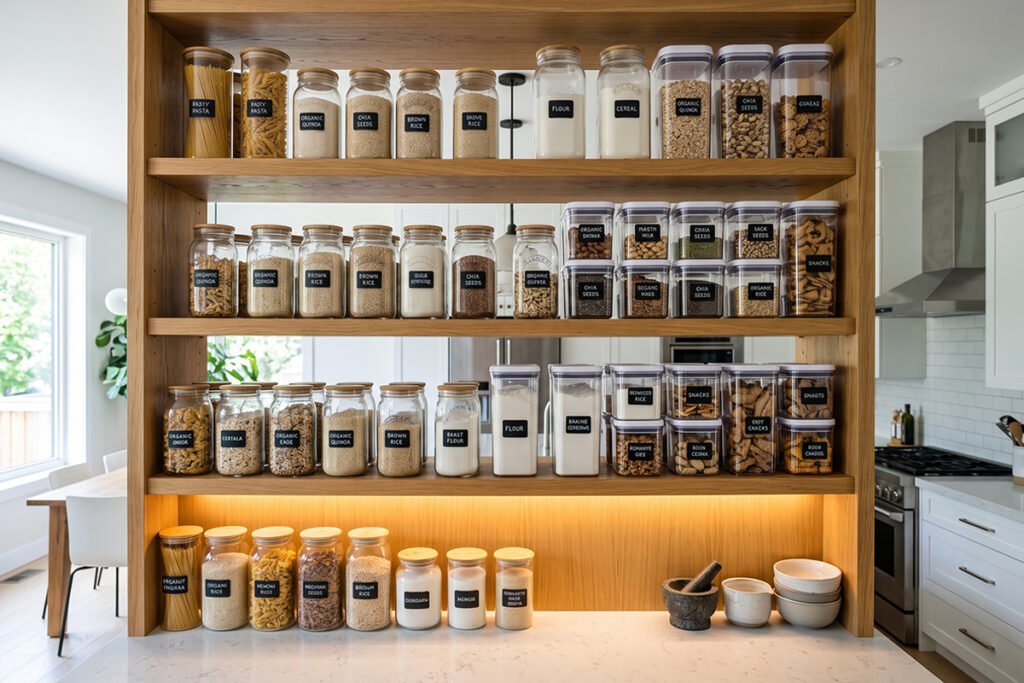
However, replacing old, scratched, or clouding plastic containers is a wise step for maintaining optimal kitchen health. Transitioning to glass or stainless steel for hot foods while keeping plastic for cold storage strikes a perfect balance. This hybrid strategy yields maximum convenience without compromising daily safety.
Focus on how you use your plastic containers rather than eliminating them entirely. Avoid microwaving meals directly in plastic, and hand wash lids to prevent thermal degradation over time. Smart usage allows you to enjoy plastic’s lightweight benefits safely.
Which brand plastic container is best?
Several top-tier kitchen brands excel at manufacturing durable, safe, and modular food storage sets. Brands like Rubbermaid, OXO, and LocknLock lead the market with exceptional seal performance and robust BPA-free construction. Choosing these established names guarantees full compliance with strict global food safety standards.
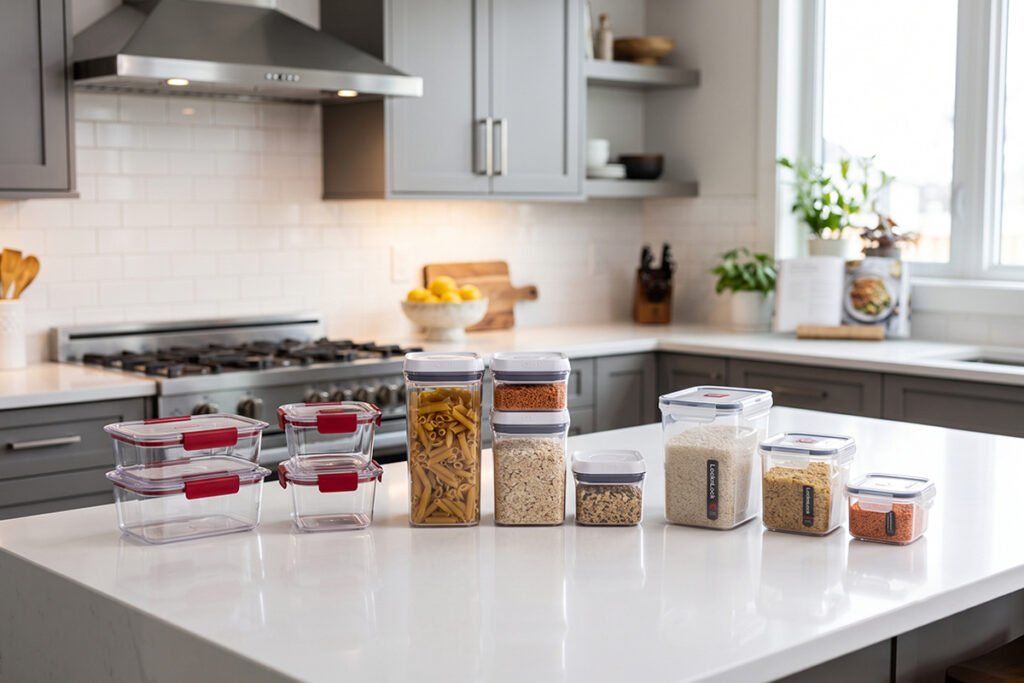
Rubbermaid Brilliance sets are widely celebrated for their crystal-clear design, 100% leakproof latches, and stackable low-profile heights. OXO Good Grips containers offer effortless push-button seals that work brilliantly inside deep pull-out drawers. LocknLock provides maximum seal security with four-latch locking lids that never spill.
Selecting a top brand ensures long-term availability when you want to expand your container collection later. Premium brands use higher-grade polymers that resist staining and clouding through years of dishwashing. Investing in proven quality saves money and stress over time.
Is Pyrex BPA free?
Yes, all Pyrex glass containers are 100% BPA-free because glass is a natural mineral product containing zero synthetic additives. Pyrex glass bases offer a chemical-free surface that will never absorb stains, odors, or leach toxins. Incorporating glass bases elevates your home’s drawer organization systems with ultra-safe materials.
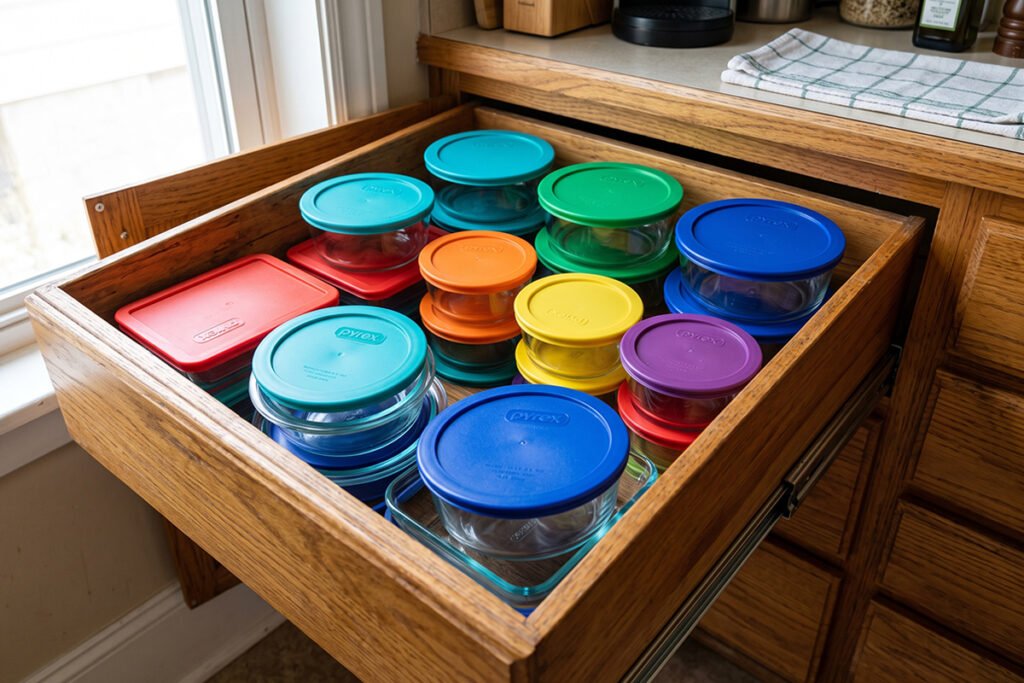
The plastic storage lids supplied with modern Pyrex sets are also manufactured without any BPA or phthalates. These lids provide a secure friction fit that keeps food fresh without touching hot meals directly. You can store baked dishes and meal prep portions with complete safety.
Pyrex containers transition seamlessly from deep freezer storage directly into warm baking ovens. Their exceptional thermal durability makes them a cornerstone of healthy home cooking routines. Choosing glass Pyrex guarantees pure taste and long-lasting performance.
Is rubbermaid plastic container BPA free?
Yes, all modern Rubbermaid plastic food storage lines are completely BPA-free and engineered for safe daily food contact. Popular lines like Rubbermaid Brilliance, Flex & Seal, and TakeAlongs utilize high-grade, certified polymers. Choosing these lines gives you reliable, shatterproof food containers designed for heavy kitchen use.
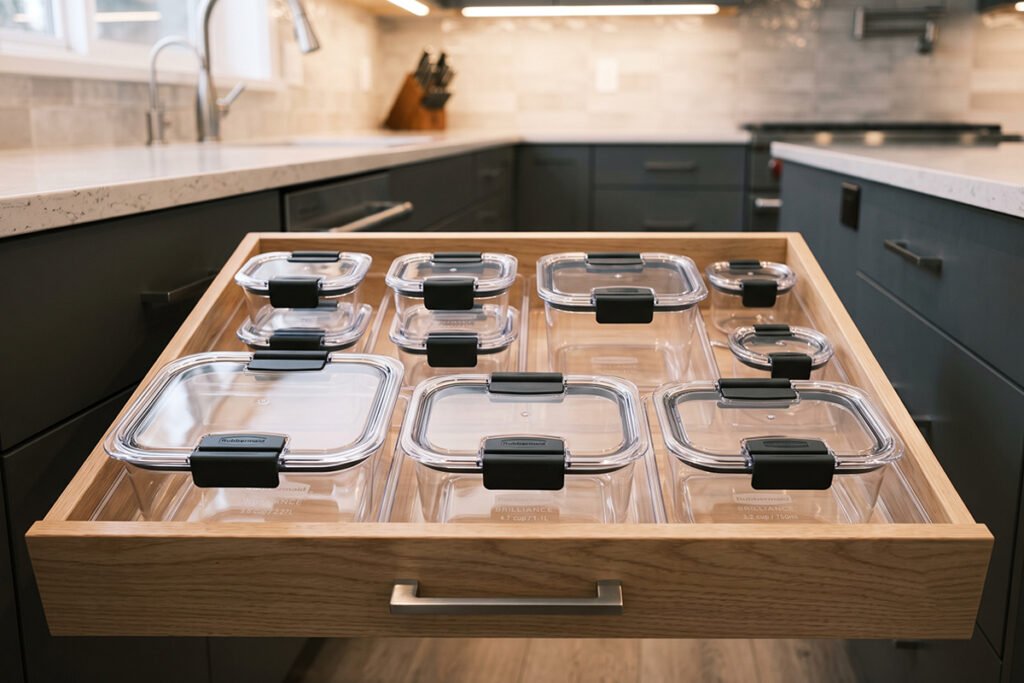
The Rubbermaid Brilliance line is specifically constructed from Tritan plastic, offering glass-like clarity with extreme impact resistance. These containers feature built-in splatter vents under the latches for convenient, mess-free microwave reheating. Their flat-top profiles make them ideal for pull-out drawer organization.
Rubbermaid products undergo rigorous independent testing to guarantee compliance with chemical safety standards. Their durable constructions resist warping, cracking, and clouding even after repeated dishwasher cycles. Trusting established Rubbermaid lines ensures safe and stylish food storage.
Can BPA free plastic still release microplastics?
Yes, BPA-free plastic can still release microparticles if subjected to severe mechanical friction, scratching, or intense heat. The removal of BPA prevents hormone-disrupting chemical leaching, but it does not alter the physical nature of synthetic polymers. Mindful handling remains essential when utilizing shatterproof food containers in daily meal prep.
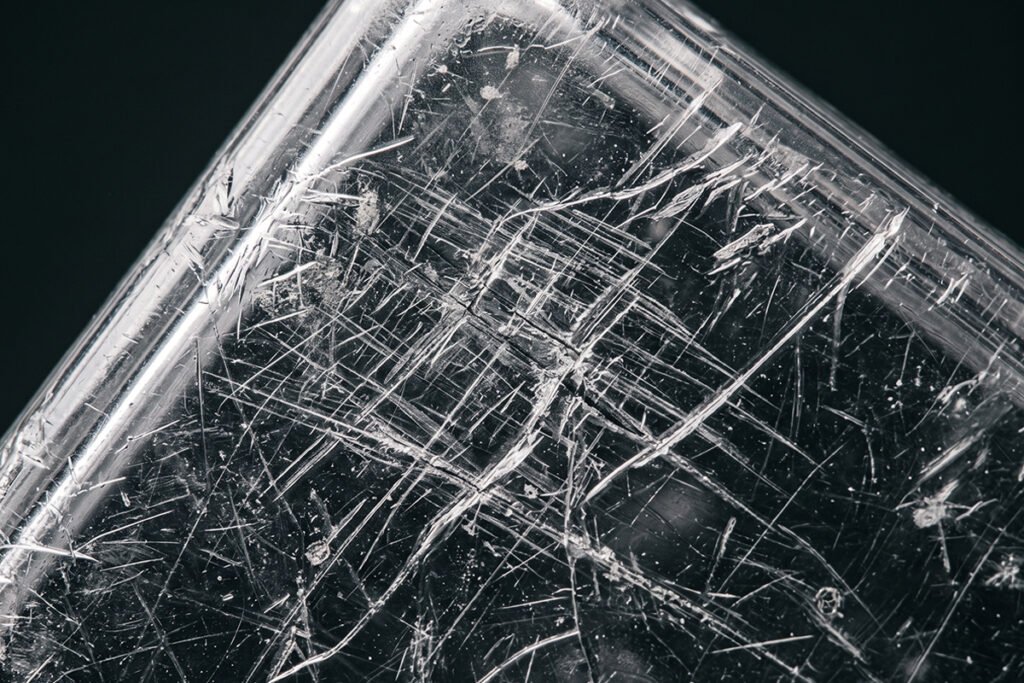
Using metal spoons or harsh scrubbing pads creates surface abrasions that loosen fine plastic particles over time. Washing plastic on the bottom rack of dishwashers exposes containers to high heat that accelerates polymer degradation. Gentle care preserves the structural integrity of your container collection.
To prevent microplastic shedding, avoid microwaving fatty or sugary foods at high power settings directly in plastic. Allow hot meals to cool slightly before snapping airtight lids into place for drawer storage. Simple care adjustments preserve your containers and keep food clean.
Is a 20 year old Tupperware safe to use?
No, using 20-year-old plastic Tupperware for direct food storage is generally not recommended by health experts. Plastic containers manufactured before 2010 may contain BPA, phthalates, or other plasticizers that modern safety regulations prohibit. Older plastics also suffer from polymer breakdown after decades of washing and use.
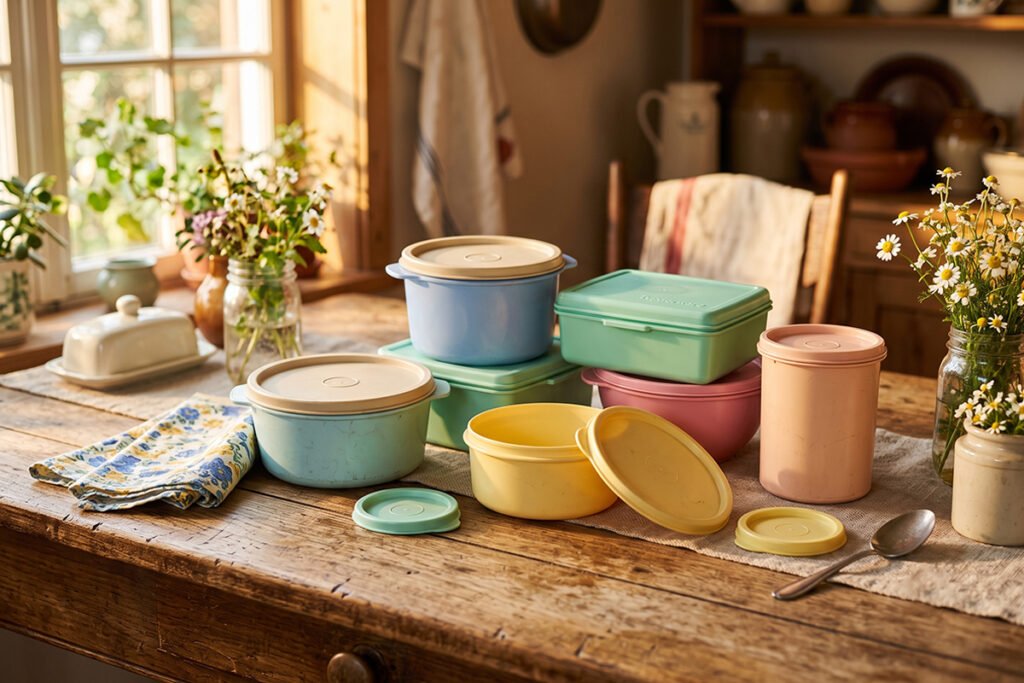
Decades of microwave heating and dishwasher exposure cause vintage plastic to become brittle, cloudy, or sticky. Degraded plastic surfaces leach synthetic compounds and shed microparticles far faster than modern virgin polymers. Replacing vintage pieces with modern non-toxic storage containers protects your home.
Retire older Tupperware sets from food contact and repurpose them for organizing garage hardware or craft supplies. Upgrade your kitchen with modern, certified BPA-free container sets built for drawer storage. Modern manufacturing delivers superior safety, clarity, and seal technology.
Top Recommended BPA Free Plastic Food Container Sets For Drawers to Buy
- Rubbermaid Brilliance Plastic Food Storage Set: Features crystal-clear Tritan construction, 100% leakproof latches, and ultra-low profile lids ideal for standard drawer clearance.
- OXO Good Grips Pop Container Set: Utilizes push-button airtight seals with modular flat tops designed for effortless top-down visibility in deep drawers.
- LocknLock Easy Essentials Storage Set: Delivers four-latch locking lids with durable silicone gaskets that prevent spills during rapid drawer movement.
- Prepworks by Progressive Modular Food Storage: Engineered with standardized square footprints that maximize every inch of cabinet and drawer real estate.
Conclusion
Upgrading your kitchen with high-quality BPA free plastic food container sets for drawers turns chaotic storage into an efficient meal prep station. Selecting low-profile, modular designs with clear lids gives you instant visibility and effortless access to all your stored ingredients.
By combining modern chemical safety standards with smart drawer organization, you protect your family’s health while enjoying a clean, streamlined kitchen.
Leave a Reply