

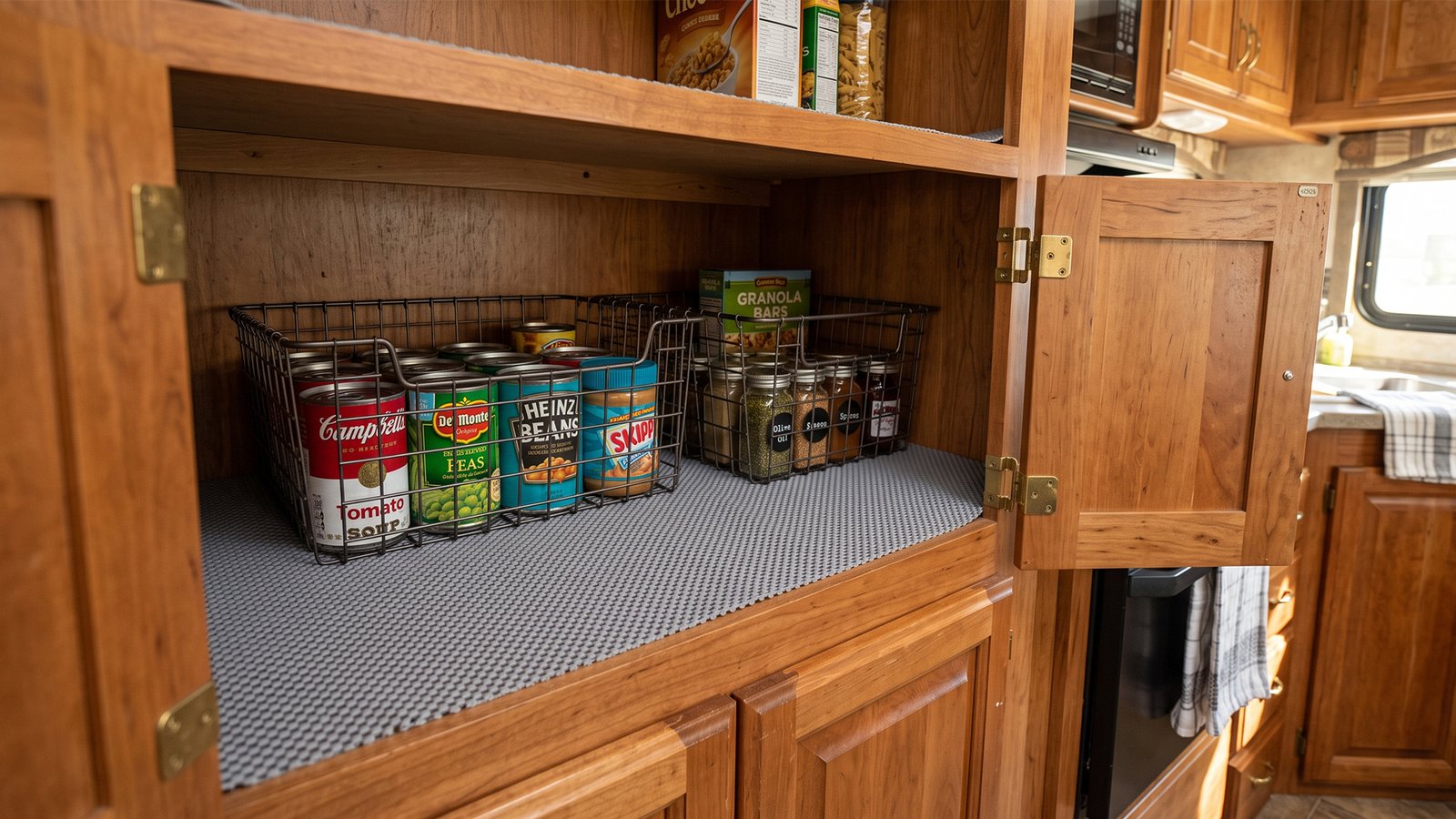
Creating an RV kitchen pantry storage baskets anti slip setup requires a strategic approach to handle vibration and sharp turns on the highway. Traditional home organizing methods fail when exposed to constant vehicular movement.
Table of Contents
By lining your shelves with high-traction materials and utilizing structured bins, you build a rigid grid system inside your camper cabinet. This prevents items from sliding during transit and stops embarrassing food spills the moment you open the pantry doors.
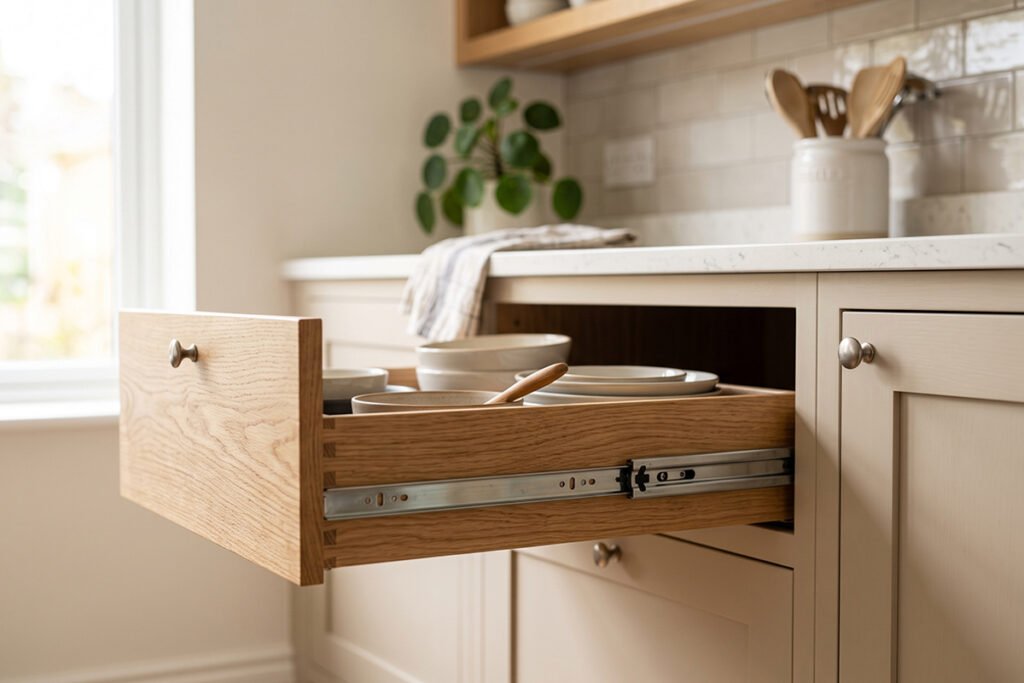
Implementing a dedicated rv cabinet organizer layout optimizes restricted cabinet dimensions while distributing weight evenly across the vehicle frame. You save precious time during meal prep because every ingredient remains anchored in its designated spot.
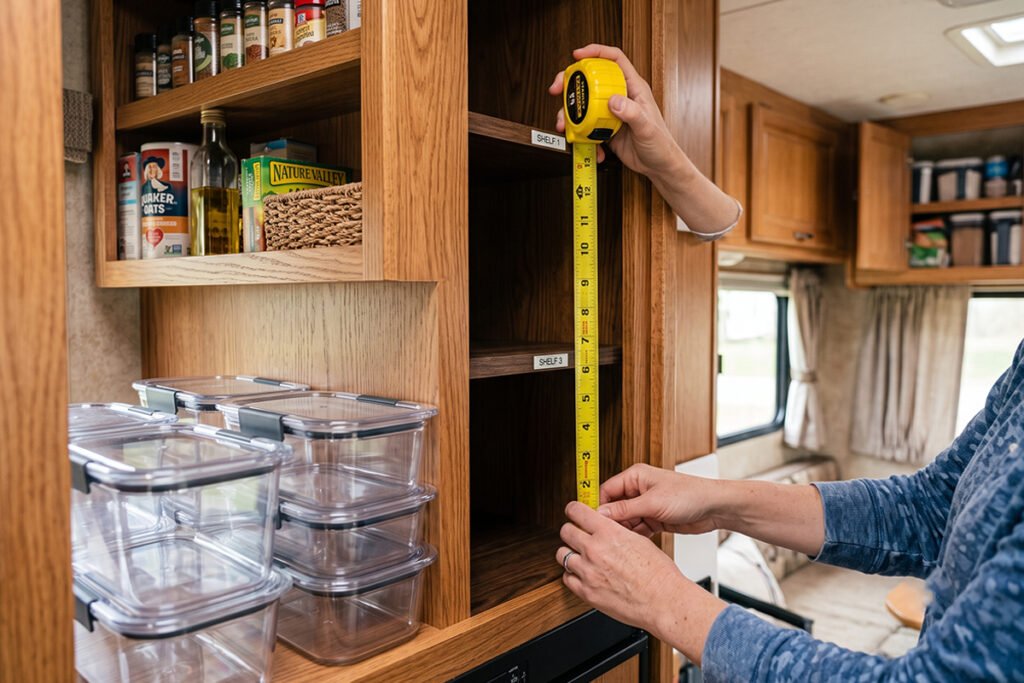
Setting up your mobile pantry begins with an accurate assessment of shelf space, container dimensions, and structural security. Following a disciplined installation protocol ensures your storage containers stay immobilized throughout long drives across uneven terrain.
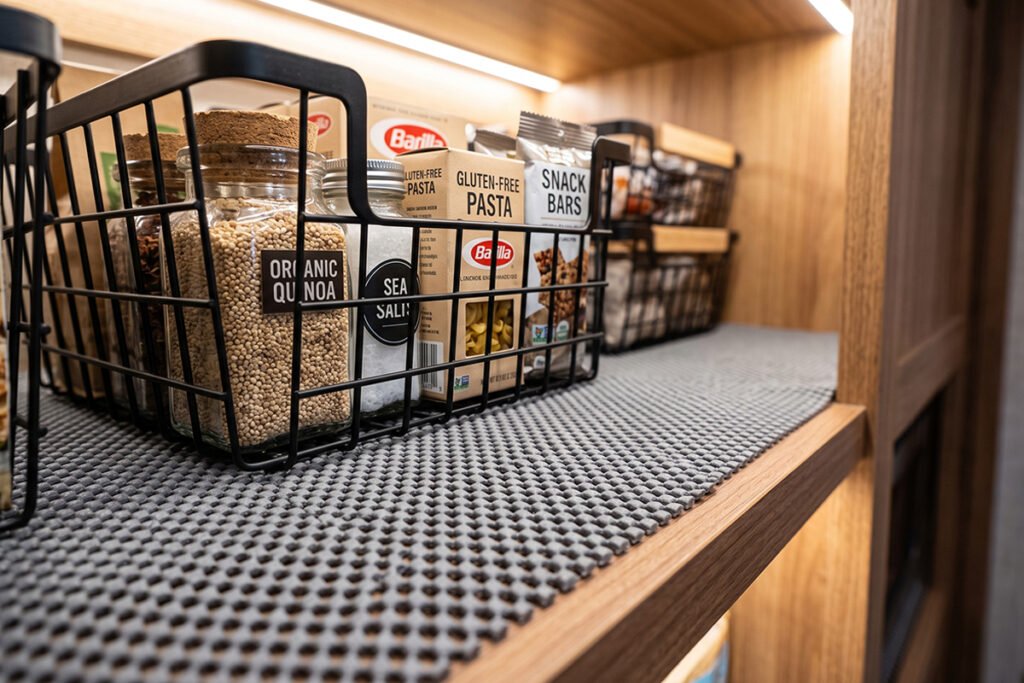
Using lightweight yet durable materials reduces overall gross vehicle weight while maximizing interior storage capacity. Taking time to execute each installation stage prevents costly damage to fragile food items and glassware during road travel.
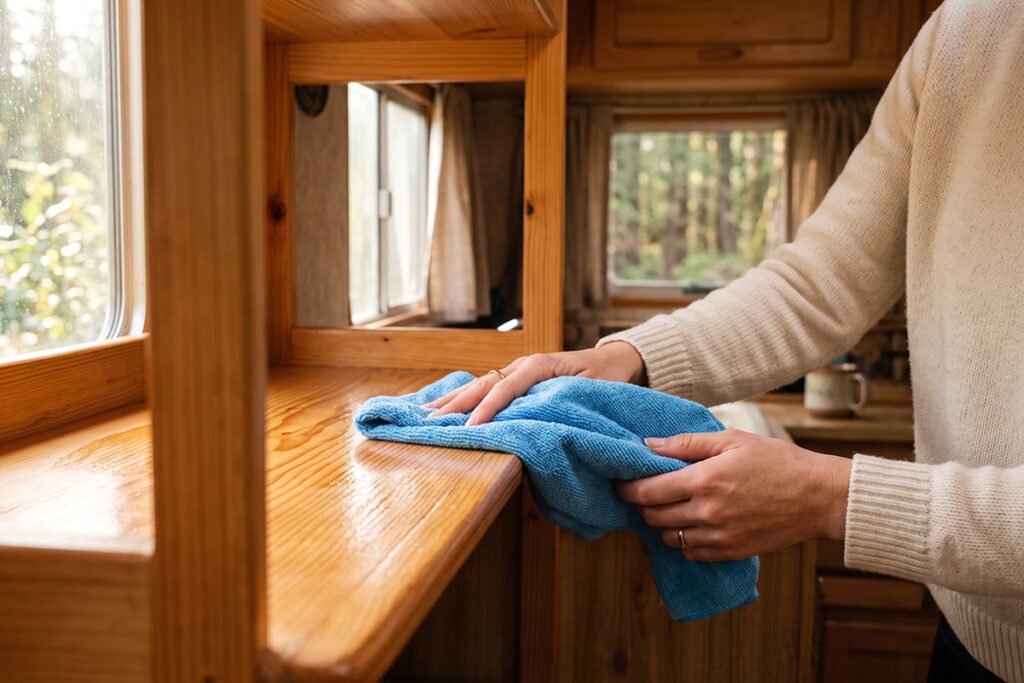
Before adding any bins or organizers, thorough cleaning of the underlying cabinet shelf is essential. Remove all dirt, grease, and sawdust manufactured into camper shelving using a mild degreaser and microfiber cloth.
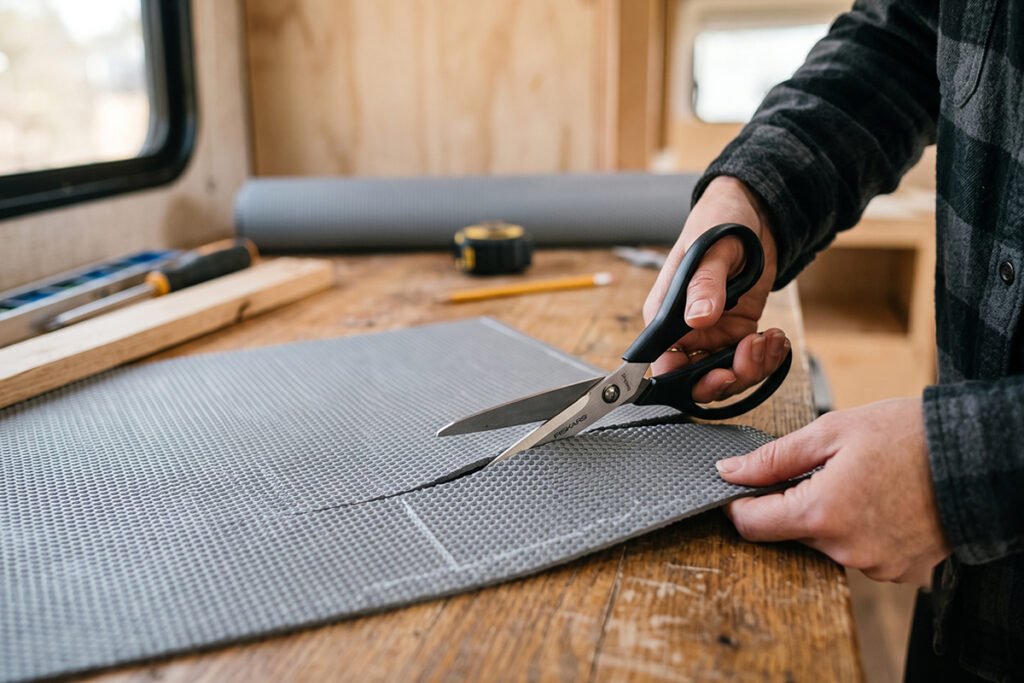
Apply a custom-cut layer of high-grip non-slip shelf liner directly across the clean shelf surface. Ensure the material lies completely flat without bubbles to maximize traction for the storage baskets placed on top.
Select fitted baskets
Choosing the correct dimensions for your pantry bins prevents unwanted shifting when navigating bumpy roads. Measure the depth, width, and height clearance of each shelf before making a purchase.
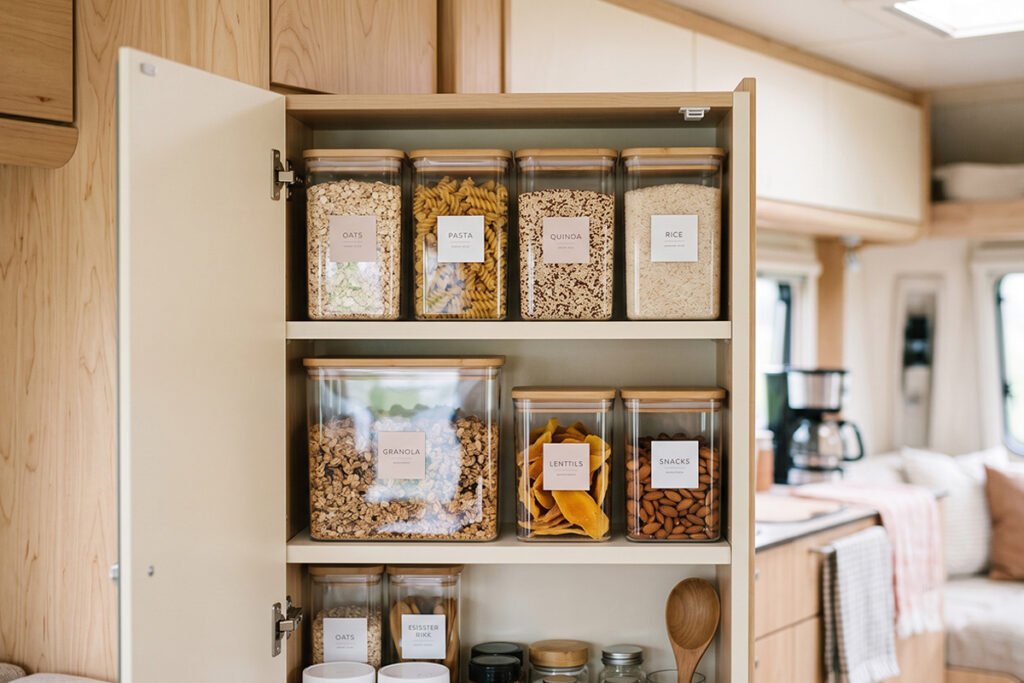
Opt for square or rectangular clear acrylic storage bins that leave minimal empty gap space along the sides. Tight-fitting bins naturally wedge together, utilizing wall-to-wall friction to remain securely in place during travel.
Secure the bins
Once your containers are loaded, apply additional securing mechanisms to prevent lateral movement. Self-adhesive Hook-and-Loop strips attached to the bottom of plastic totes lock them onto the shelf liner surface.
You can also position small wooden dowels or rubber bumpers between individual baskets to eliminate side-to-side sliding. This extra level of stability keeps heavy items centered directly over your vehicle axles.
Add front barriers
Front barriers serve as the final line of defense against tumbling cans and box supplies when opening cabinet doors. Install adjustable spring-loaded tension rod barriers across the open front face of every deep shelf unit.
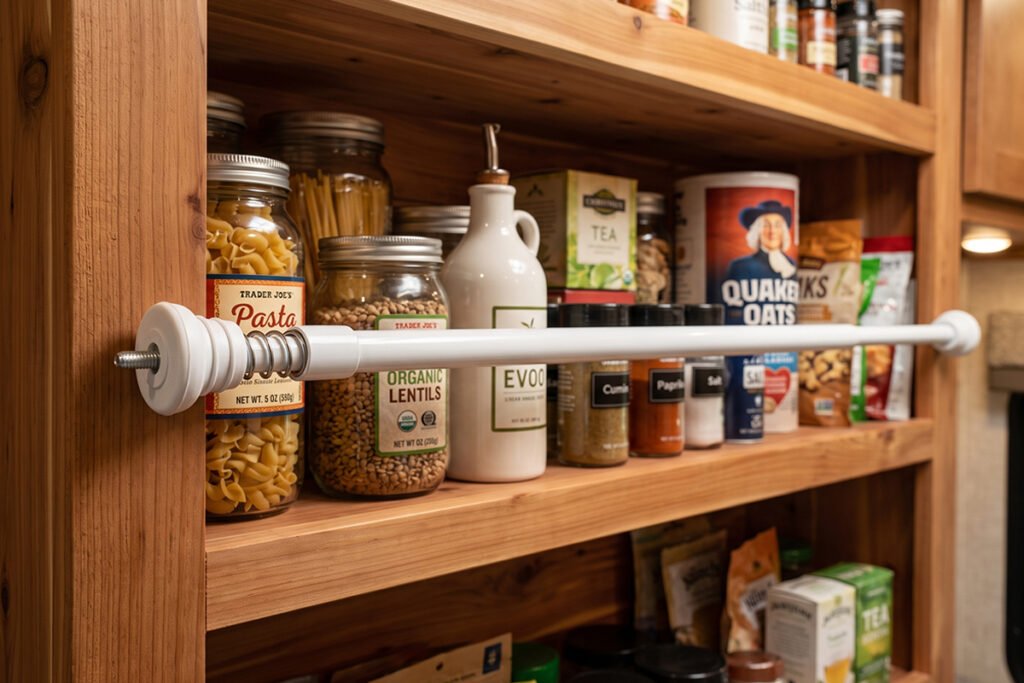
These expandable rods absorb forward kinetic energy from sliding containers during sudden vehicle braking. They ensure that even if items move slightly, everything stays completely inside the cabinet enclosure.
Pro Tips for Travel Stability
Achieving complete stability in a moving vehicle requires a mix of spatial awareness and clever weight distribution. Combining physical restraints with balanced packing strategies minimizes overall kinetic energy transfer to your food supplies.
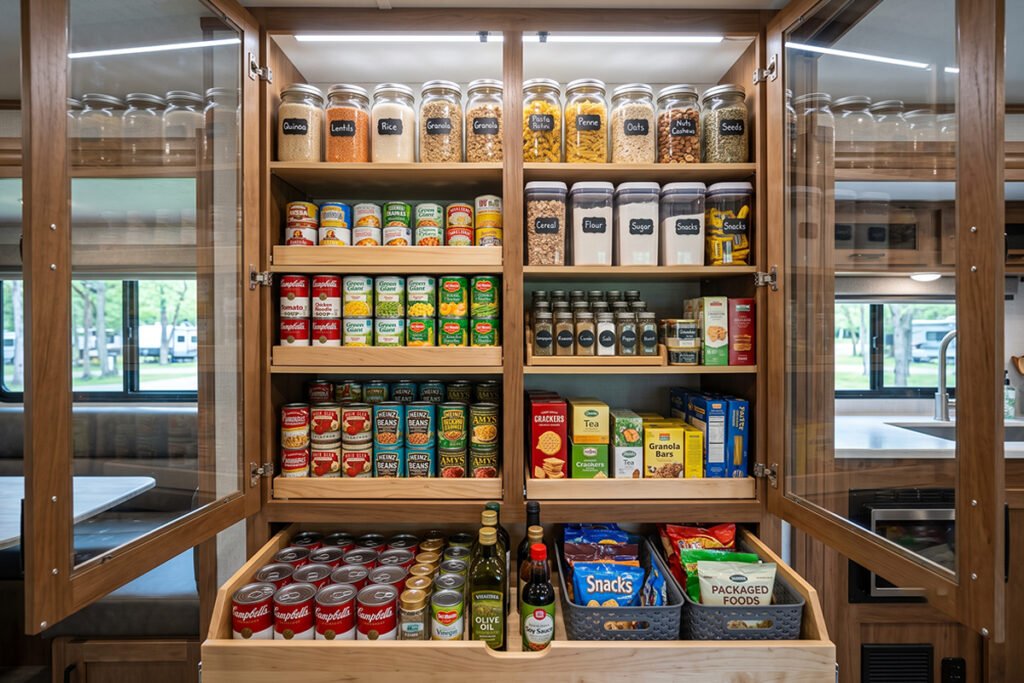
Mastering these travel stability rules keeps your travel trailer kitchen layout efficient and stress-free. Small adjustments to your daily packing routine pay massive dividends when negotiating rough backcountry roads.
Pack tight
Eliminating air space inside your pantry bins prevents items from rattling and colliding while driving down the highway. Fill empty gaps around jars using soft silicone inserts, dish towels, or extra paper towel rolls.
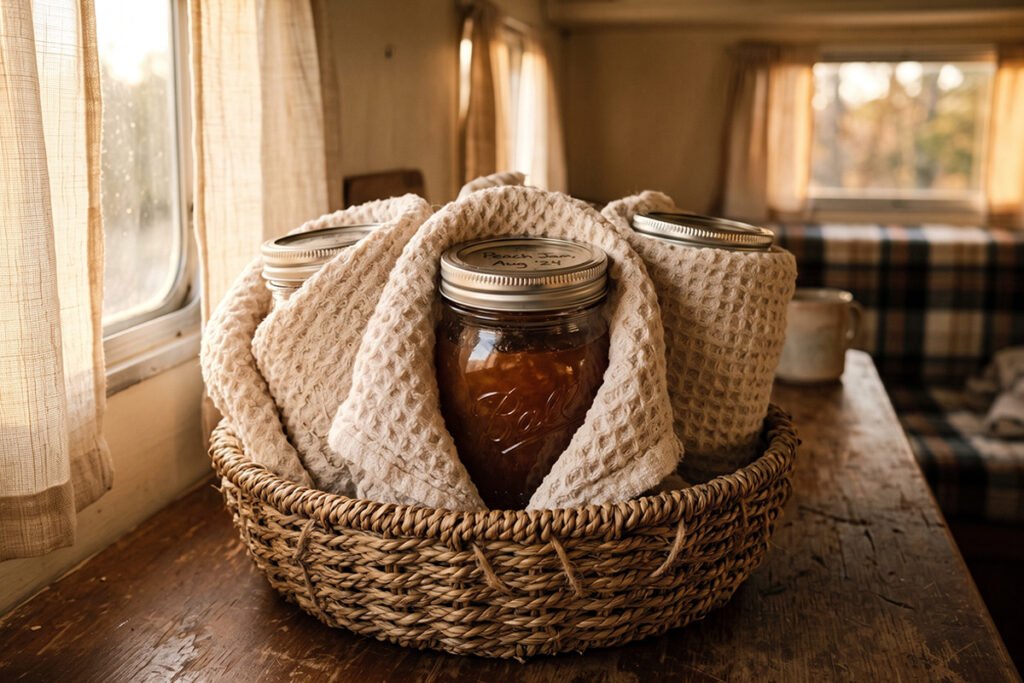
When containers are snugly fitted together, individual items cannot build up momentum to slide across the shelf. A tightly packed basket acts as a single unified object that resists movement.
Load heavy low
Proper mass distribution keeps your center of gravity low and protects upper cabinetry from structural stress during sharp turns. Store canned goods, heavy beverage containers, and cast iron items exclusively on bottom shelves.
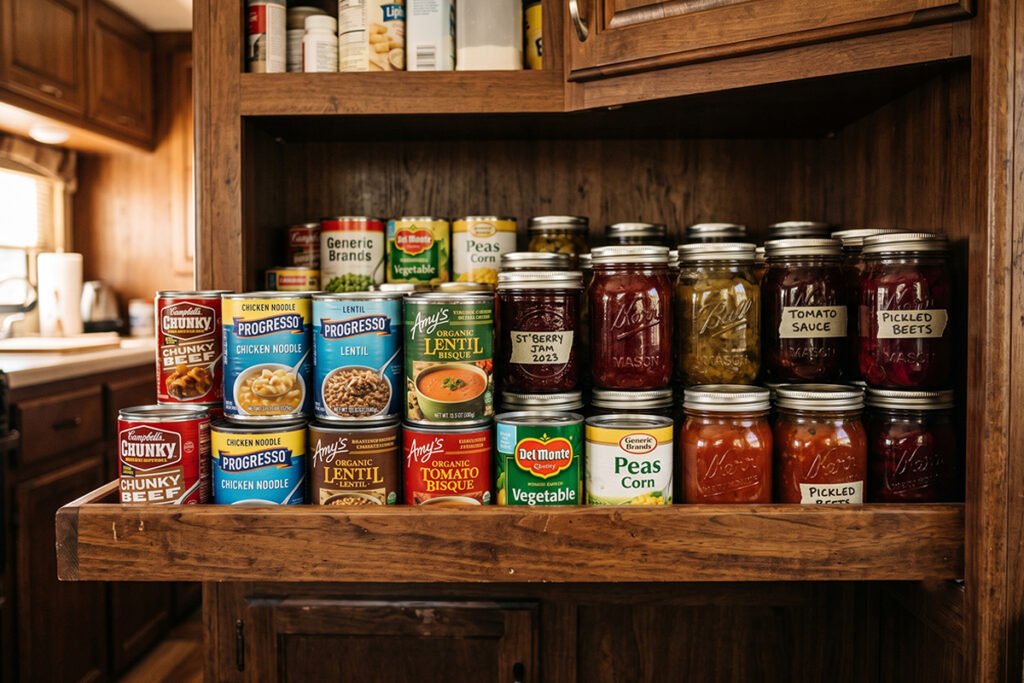
Reserve light plastic containers, paper goods, and boxed cereals for upper levels of your mobile pantry. Adhering to smart heavy food storage placement preserves shelf stability and keeps your trailer balanced on the road.
Wrap loose items
Glass bottles and fragile food containers require soft protective barriers to survive continuous highway vibration without cracking. Slide padded mesh sleeves or bubble wrap pouches over individual sauce bottles before placing them in bins.
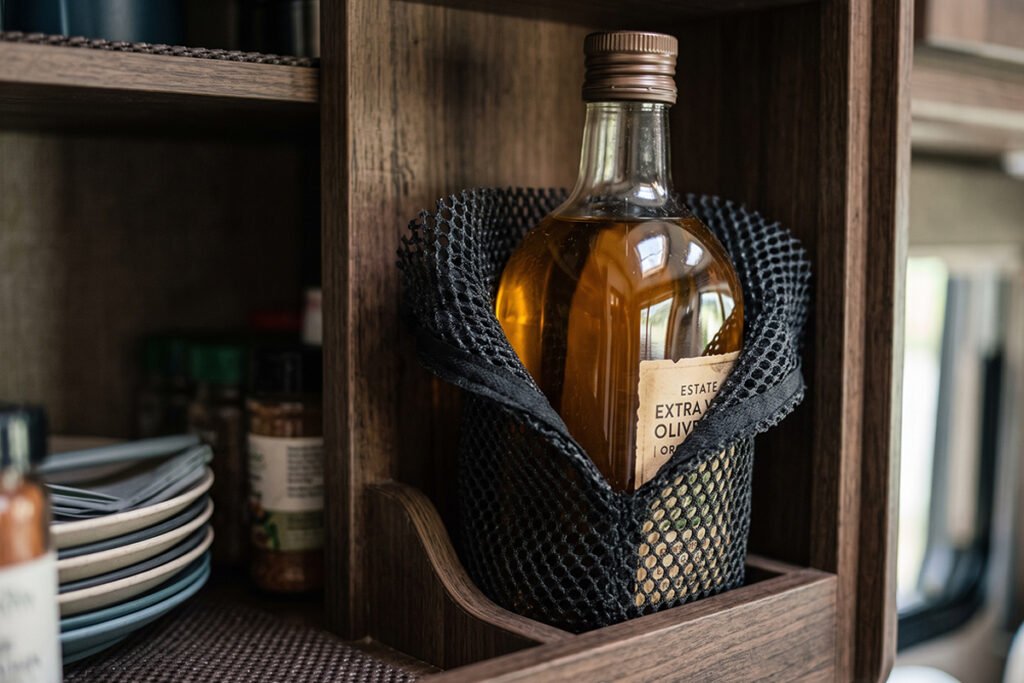
Nesting loose jars inside padded storage compartments prevents noise and eliminates dangerous glass-on-glass impacts.
Tired of the Lid Chaos in Your Drawers?
Discover simple layout tweaks that turn cluttered food container drawers into neat, accessible storage in under 10 minutes.
This simple extra step guarantees that delicate pantry items arrive intact at every campsite destination.
How to Keep Things From Sliding in RV Cabinets?
To stop items from moving freely on smooth wooden shelves, high-friction surface treatments are absolute necessities. Installing heavy-duty anti-skid matting across all cabinet floors creates immediate surface resistance against lightweight plastic and metal containers.
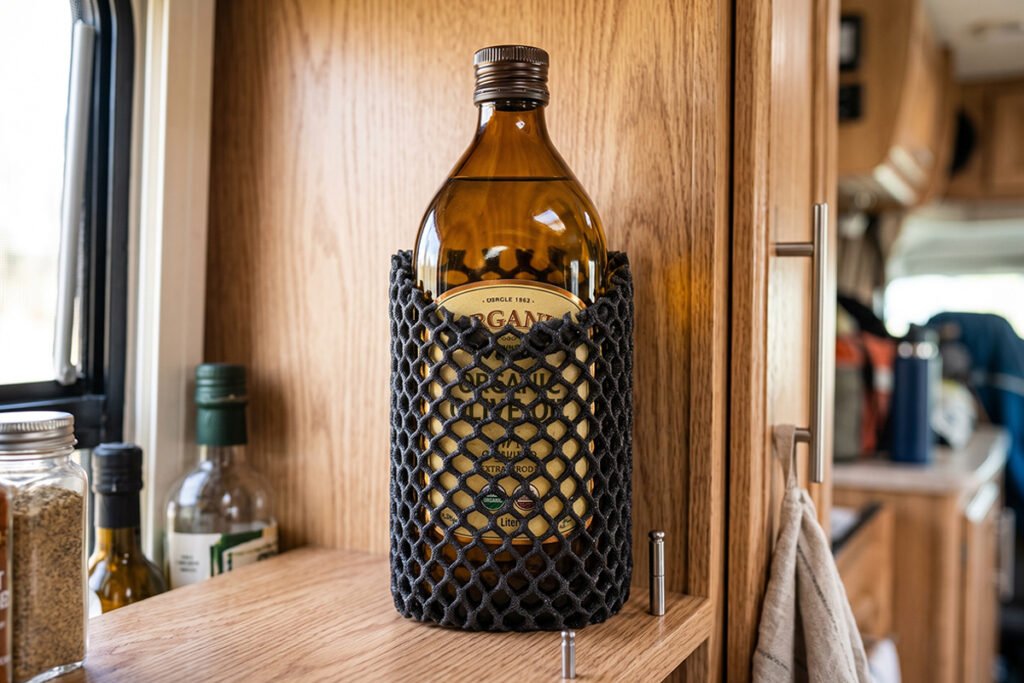
Additionally, wedge expandable tension bars tightly across internal shelf faces to clamp containers against back walls. Combining high-tack rubber mats with physical bar restraints stops moving items before they gain momentum.
How to Organize an RV Pantry?
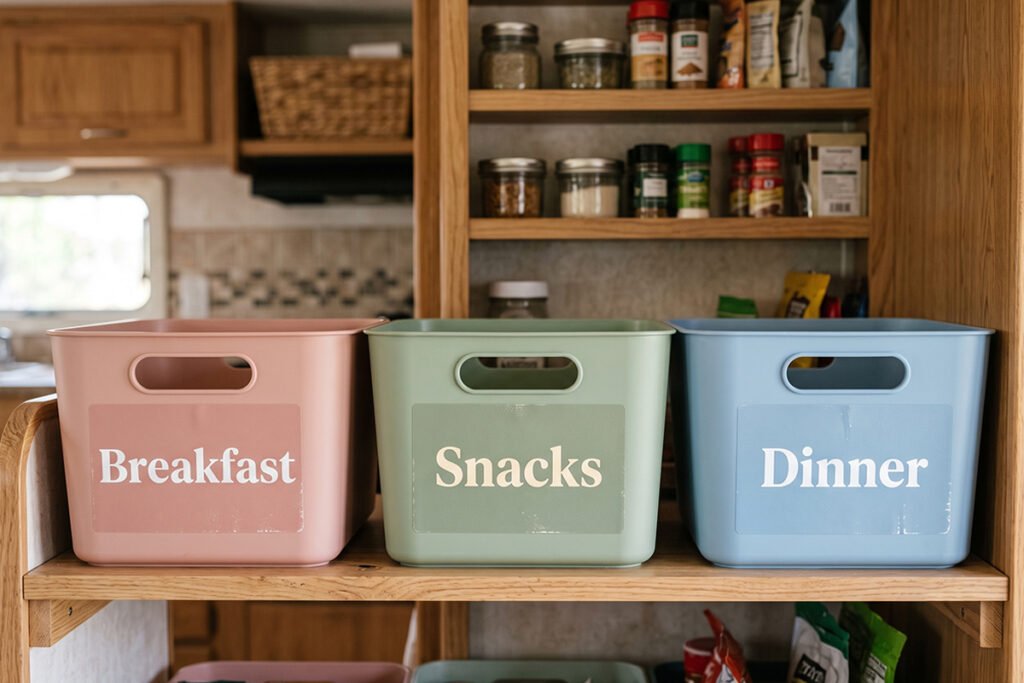
Organizing a mobile pantry requires grouping like items into distinct, modular storage zones for quick access. Group breakfast items, dinner spices, and snacks into individual designated camper pantry storage baskets that lift out easily.
Label each basket clearly so family members can quickly return items to their dedicated spaces after cooking meals. Keeping your pantry structured prevents loose items from accumulating and sliding around during long travel days.
How to Store Food in an RV?
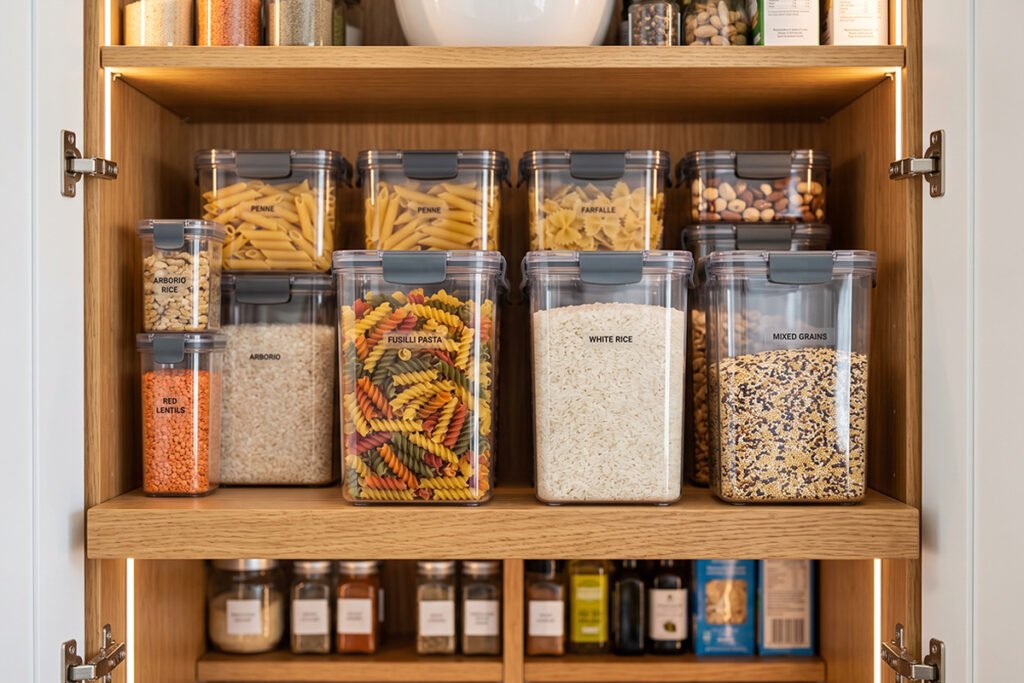
Transferring dry food from flexible paper boxes into rigid, airtight plastic containers protects your supplies from shifting and pests. Rectangular stackable canisters maximize vertical height while preventing loose bags from flopping over during sudden lane changes.
Always keep raw liquids and oils sealed tightly inside leak-proof outer bins to avoid disastrous spills while driving. Proper food containment ensures that an unexpected slide inside the cabinet never turns into an impossible cleanup job.
How to Keep Dishes from Sliding in RV?
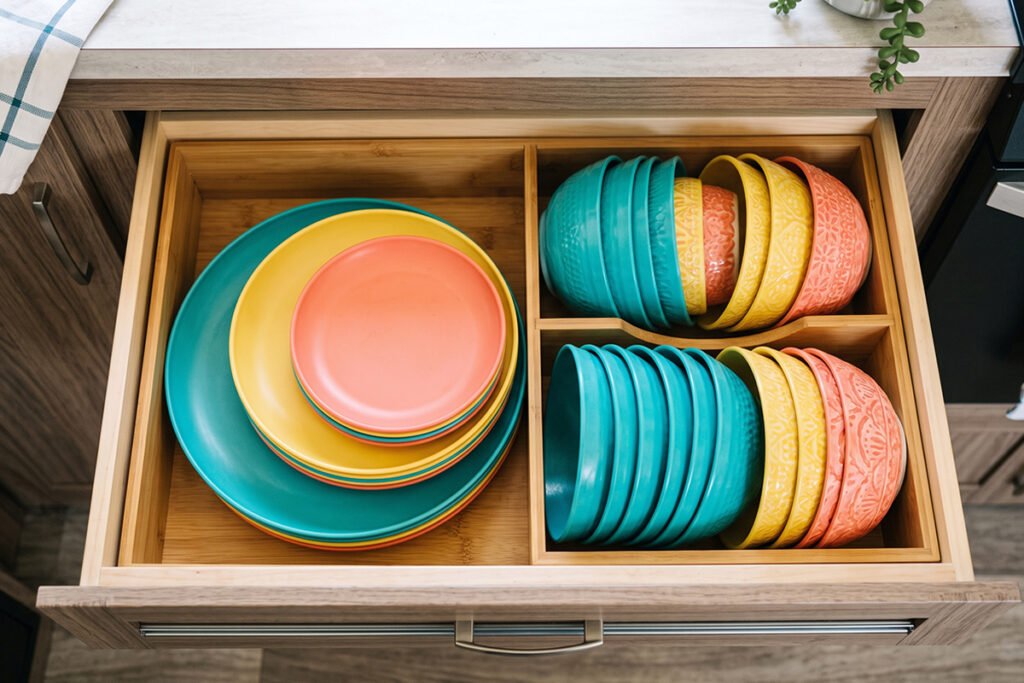
Plates, bowls, and mugs require custom spacing solutions to prevent chipping and sliding inside moving upper cabinets. Place non-skid silicone trivets, felt plate separators, or foam inserts between each stacked dish in your collection.
Store ceramic plates upright in slotted peg boards or wooden rack organizers anchored securely to the cabinet floor.
Upright vertical orientation prevents heavy bottom-of-the-stack pressure points from cracking delicate dishware while traveling over bumps.
How to Organize Dishes in RV?
Organizing camper dinnerware efficiently involves swapping out heavy traditional ceramics for lightweight, shatterproof melamine or corelle pieces. Nest similar bowls together inside rubber-lined drawers to keep the total stack height low and stable.

Use specialized corner dish cradles to utilize awkward space near the back walls of upper storage cabinets. This specialized packing approach keeps daily eating utensils stabilized without taking up precious pantry shelf real estate.
How do I Organize My RV Cabinets?
Mastering overall cabinet layout depends on balancing physical weight and organizing by frequency of use near your galley. Store daily coffee supplies and light snacks in eye-level cabinets, keeping heavy pantry staples stored down low.
Executing a clean rv kitchen pantry storage baskets anti slip setup transforms small cabinet footprints into functional culinary workstations. Consistent categorization keeps cabinets organized, uncluttered, and ready to handle dynamic road conditions at any moment.
How to Keep Drawers from Sliding Open in RV?
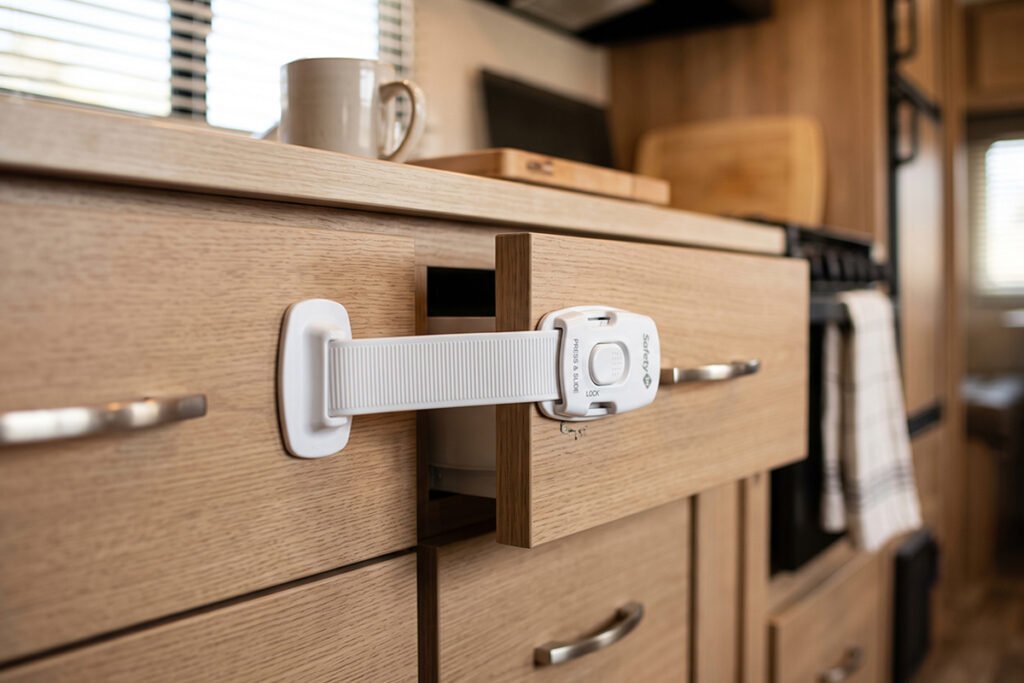
Standard drawer slides often fail under the force of heavy momentum when motorhomes negotiate sharp highway turns. Upgrade existing hardware by installing heavy-duty positive mechanical latches or magnetic catches on all slide-out drawers.
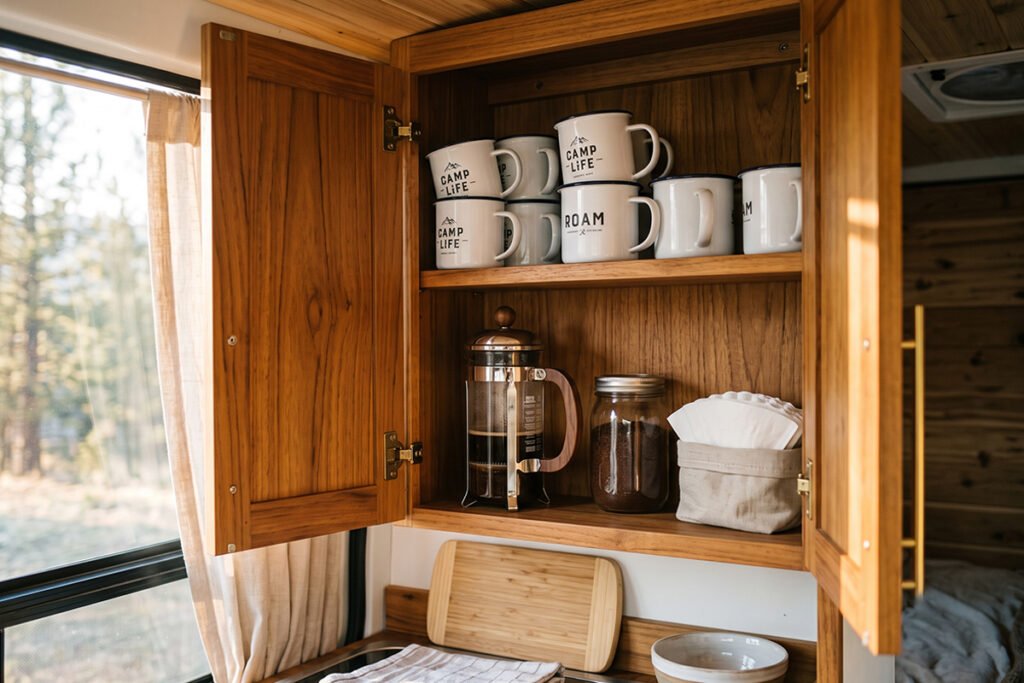
You can also insert soft rubber wedges or child-safety straps across drawer faces to hold them flush during transit. Reliable retention hardware guarantees your drawers remain fully closed, protecting your kitchen island from side impacts.
What Can You Use to Keep Drawers Closed?
RVers utilize several clever latching options to hold kitchen drawers securely against cabinet face frames during transit. Heavy-duty magnetic latches, push-button locks, child safety straps, and external wooden dowel pins work exceptionally well.
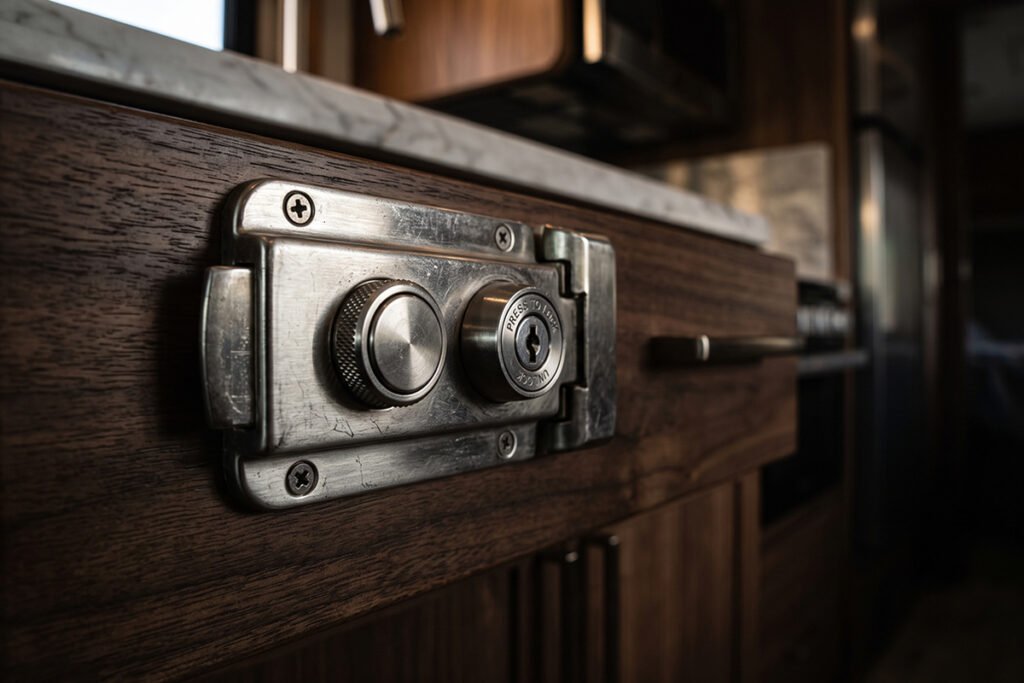
For a fast non-permanent solution, slide a long tension bar through adjacent drawer handles to lock the entire column shut. Choosing the right hardware prevents heavy cookware from blasting drawers open on aggressive road curves.
How to Keep RV Cabinets Closed While Traveling?
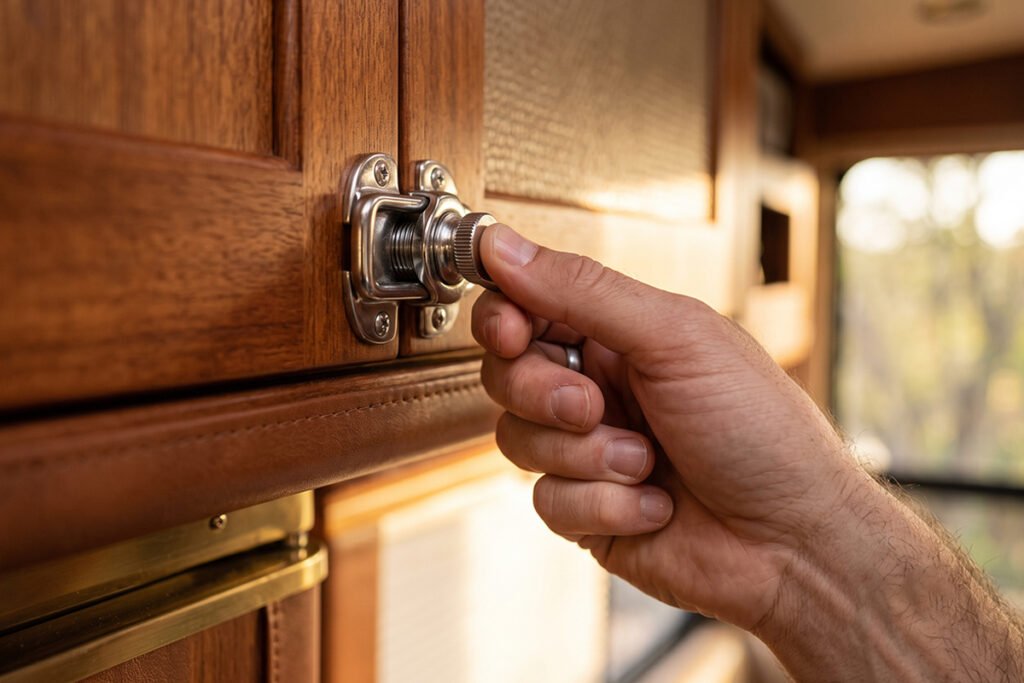
Preventing cabinet doors from swinging wide open requires updating stock hardware to withstand dynamic travel vibrations. Replace weak catches with heavy-pull rv cabinet latches or secondary turn-buttons installed directly onto outer door frames.
Wrap reusable hook-and-loop straps around double-door handles to securely bind adjacent cabinet doors together prior to departure. Keeping door frames mechanical bound guarantees that pantry contents stay safely inside throughout your entire driving journey.
How to Secure Cabinets in RV?
Securing entire cabinet structures involves checking mounting hardware anchored directly into thin vehicle wall studs. Inspect frame screws regularly to ensure highway vibration has not loosened the cabinet assembly from vehicle walls over time.
Reinforce interior shelf supports with small aluminum L-brackets to prevent heavy grocery loads from collapsing internal shelves down.
Maintaining structural hardware integrity ensures your storage system safely supports fully loaded food baskets over thousands of miles.
How to Make Kitchen Cabinet Doors Stay Closed?
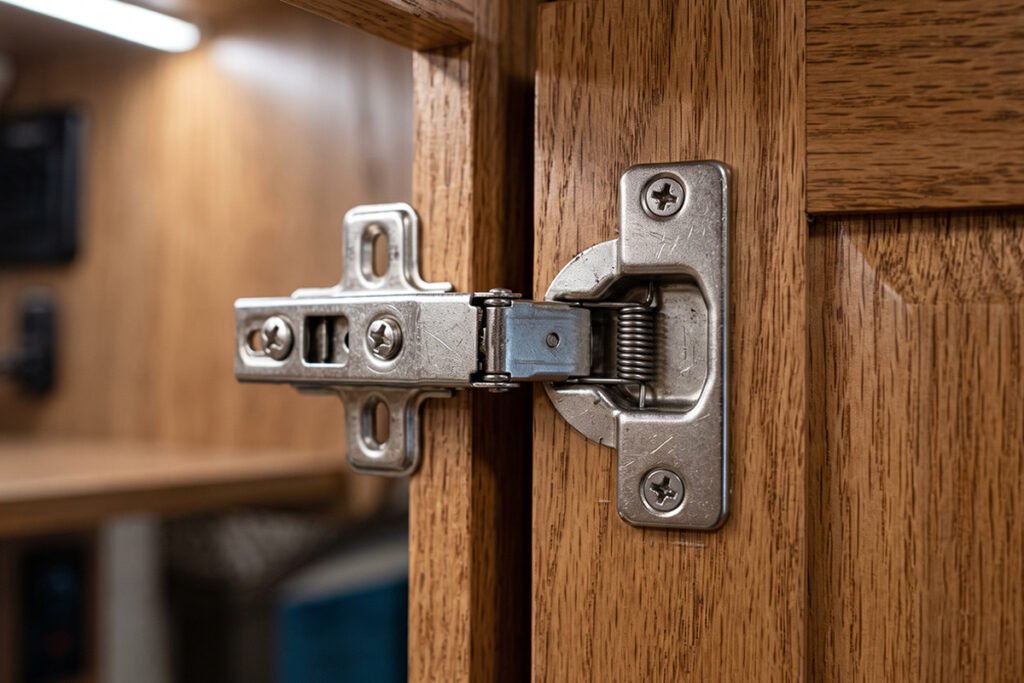
When stock latches lose tension, cabinet doors tend to bounce open over minor highway expansion joints and bumps. Install heavy-duty roller catches or spring-loaded concealed hinges that pull doors tightly shut against internal frame seals.
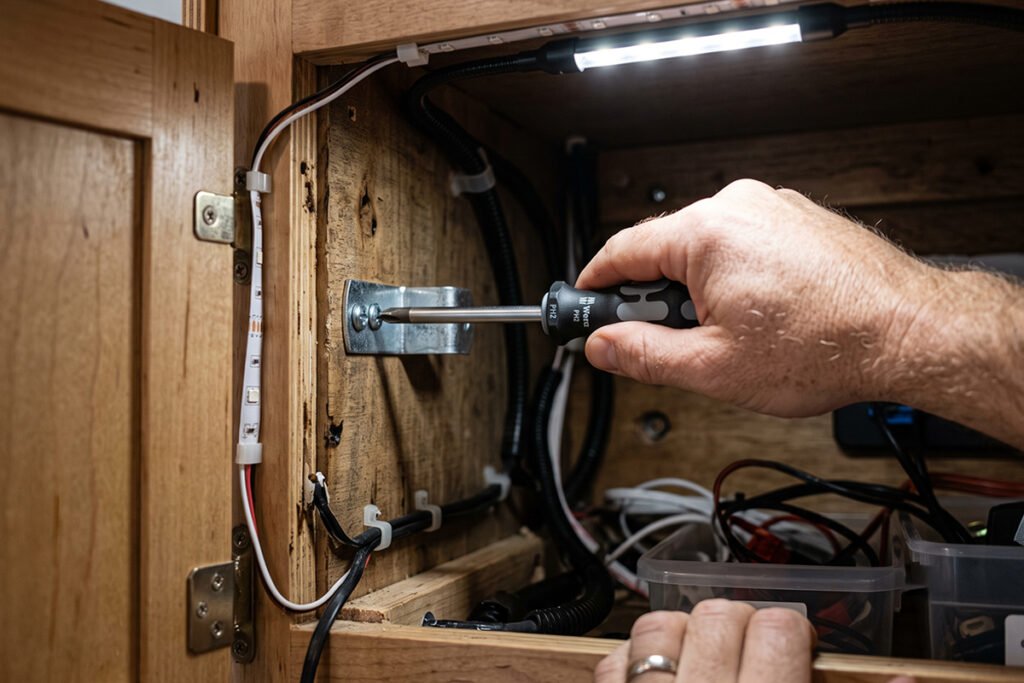
Adding thick neodymium magnetic strips along the top corner of cabinet frames provides strong passive holding power without visible exterior latches. These simple mechanical upgrades ensure cabinet doors resist dynamic opening forces while navigating rough roads.
How to Keep Cabinet Door Open in RV?
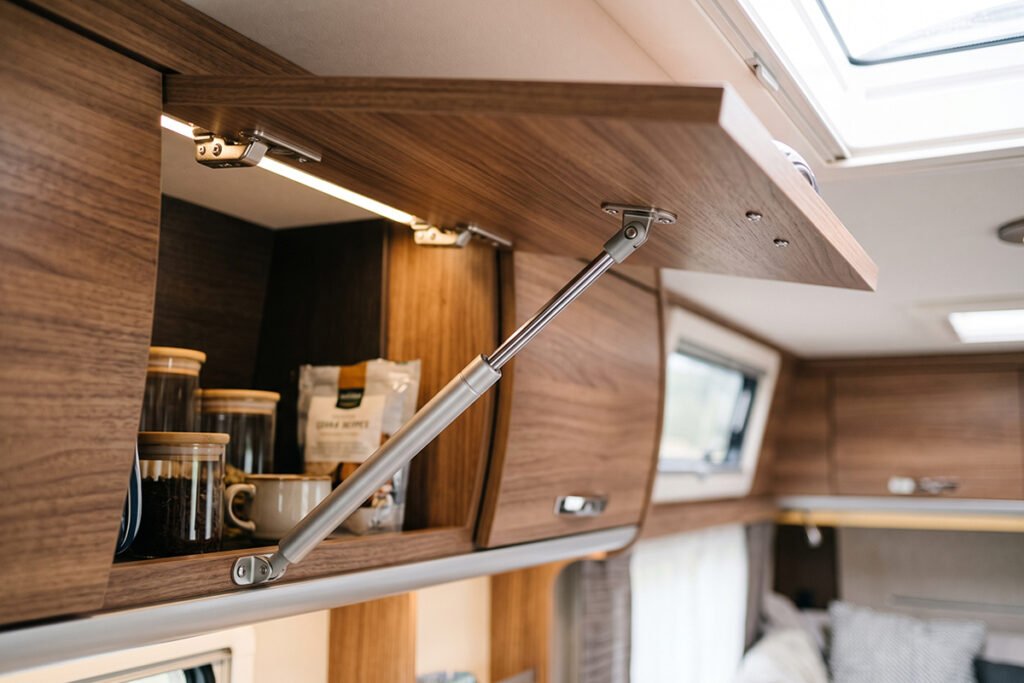
Holding cabinet doors safely open during meal prep prevents painful head bumps and frustrating door swings in small kitchens. Install gas strut lift supports on overhead cabinet doors to hold them elevated automatically while you reach inside.
For side-swinging pantry doors, mount magnetic door stops or plastic catch clips onto adjacent wall paneling to pin doors open. Securing open doors simplifies loading groceries and reorganizing pantry baskets before hitting the road again.
How to Hold Things in Place in RV?
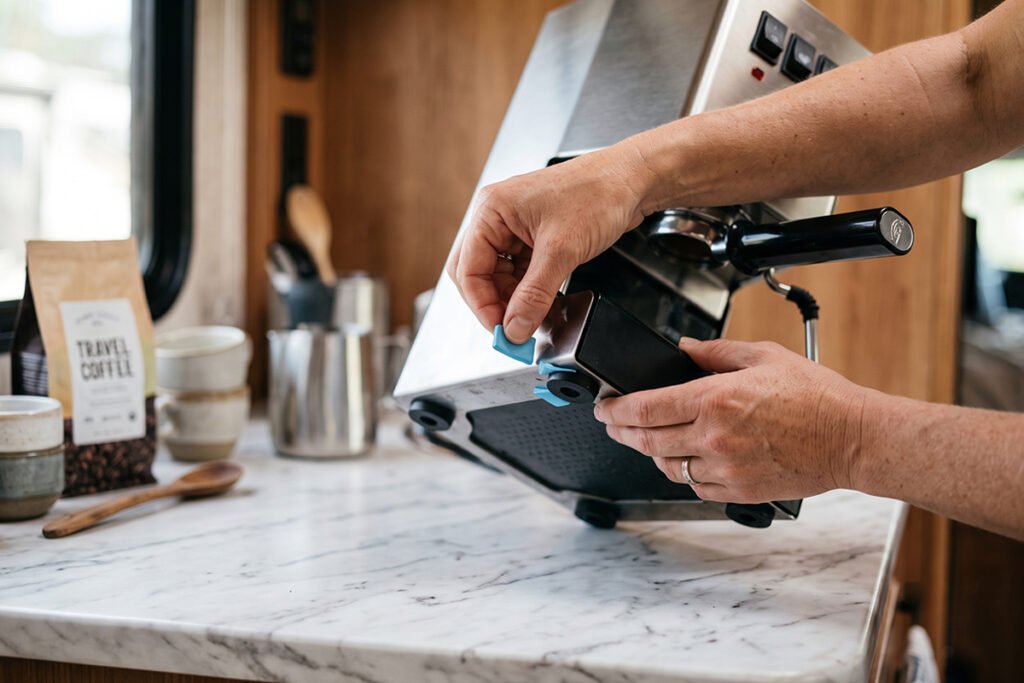
Holding loose decor, appliances, and pantry containers firmly in place requires multi-layered grip techniques throughout your living space. Apply reusable museum putty or heavy-duty gel tape under small counter appliances to anchor them directly onto surfaces.
Combine sticky gel pads with non-skid shelf lining and elastic shock cords across open shelving units for complete stability. Utilizing these versatile holding solutions creates a crash-resistant environment for all your loose cabin belongings while driving.
What is the 3-3-3 Rule for RV Living & Travel Trailers?
The popular 3-3-3 rule helps nomadic travelers manage fatigue by establishing healthy boundaries for daily driving and camping routines. This travel guideline suggests driving no more than 300 miles per day to keep vehicle stress and operator fatigue low.
It also recommends arriving at your campsite destination by 3:00 PM and staying at each location for at least 3 days. Following these practical rv travel stability rules gives you ample time to properly secure your interior kitchen setup before traveling.
What is the 4 4 4 Rule for RV?
Similar to the 3-3-3 rule, the 4-4-4 guideline offers an alternative pacing strategy tailored for long-distance motorhome travelers. This rule dictates driving maximum 400 miles, stopping by 4:00 PM, and staying parked for 4 days straight.

Adopting a relaxed schedule reduces rushed packing mistakes that cause pantry baskets and cabinet doors to come loose on roads. Taking time to pack securely minimizes travel stress and keeps your mobile kitchen perfectly intact between stops.
What is the 1 3 Rule for Cabinets?
The 1-3 cabinet rule is a spatial organization principle used to maintain ideal weight distribution inside camper storage units. It recommends placing 1 part heavy items on bottom shelves for every 3 parts light items on upper levels.
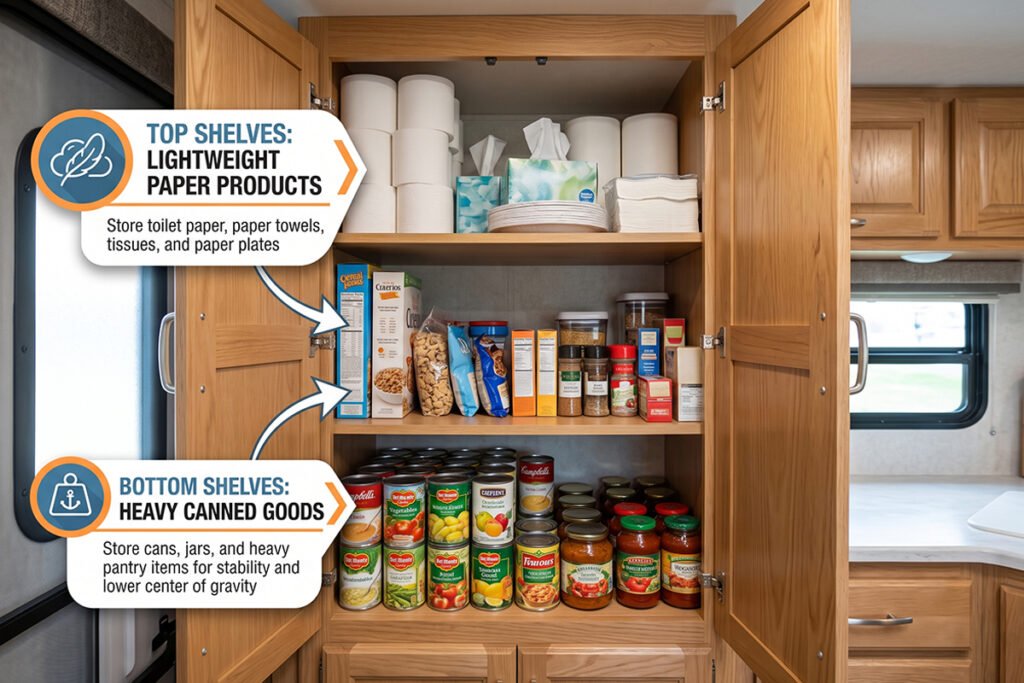
This 1-to-3 ratio ensures upper cabinetry never becomes top-heavy, preventing vehicle sway and structural strain on wall mounts during transit. Adhering to balanced spatial proportions protects both your cabinet hardware and your stored food inventory.
Why Do People With ADHD Leave Cabinet Doors Open?
Leaving cabinet doors open is a common behavioral trait associated with ADHD, often tied to visual working memory challenges. For neurodivergent individuals, “out of sight, out of mind” means closed doors can make stored items functionally disappear from immediate thought.
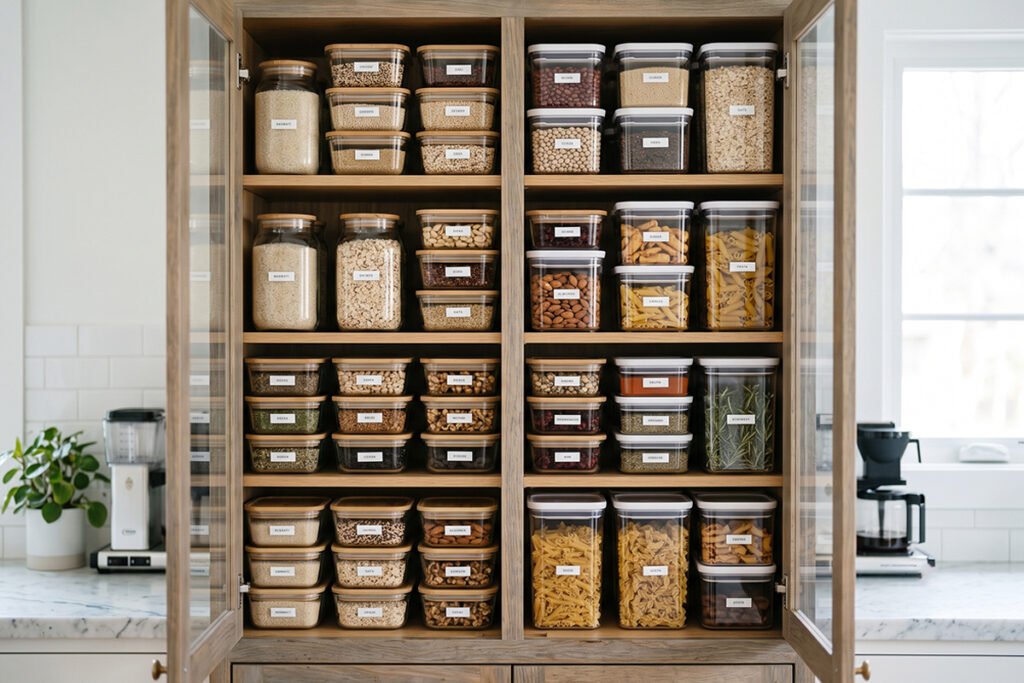
Using open-concept wire baskets or clear acrylic bins inside pantry cabinets helps maintain visual continuity without creating physical clutter.
Visual Working Memory Challenges
Clear containers allow easy visibility of pantry contents while keeping items secure and organized during travel.
Top Recommended Topic Related Products to Buy
- Heavy-Duty Non-Adhesive Rubber Shelf Liner: Thick high-grip material that cushions shelves and stops pantry baskets from sliding on bumpy roads.
- Clear Acrylic Stackable Pantry Baskets: Durable transparent bins that keep food items grouped, visible, and wedged tightly together during transit.
- Adjustable Spring Tension Curtain & Cabinet Rods: Expandable security bars designed to hold stored items back away from cabinet doors. - Heavy-Pull Magnetic Cabinet & Drawer Latches: Strong retention hardware that keeps RV pantry doors securely locked while driving on rough terrain.
- Flexible Museum Putty and Anti-Skid Gel Tape: Reusable sticky compound ideal for anchoring counter appliances and basket corners down instantly.
Conclusion
Executing a well-planned rv kitchen pantry storage baskets anti slip setup transforms mobile meal preparation from chaotic to effortlessly organized. By pairing high-friction rubber shelf liners with fitted clear bins and expandable front tension rods, you eliminate dangerous food shifts during travel. Following smart weight distribution guidelines ensures your camper kitchen remains secure, safe, and silent across every mile of your journey. Take time to secure your pantry today and enjoy stress-free cooking on your next road adventure.
Leave a Reply