

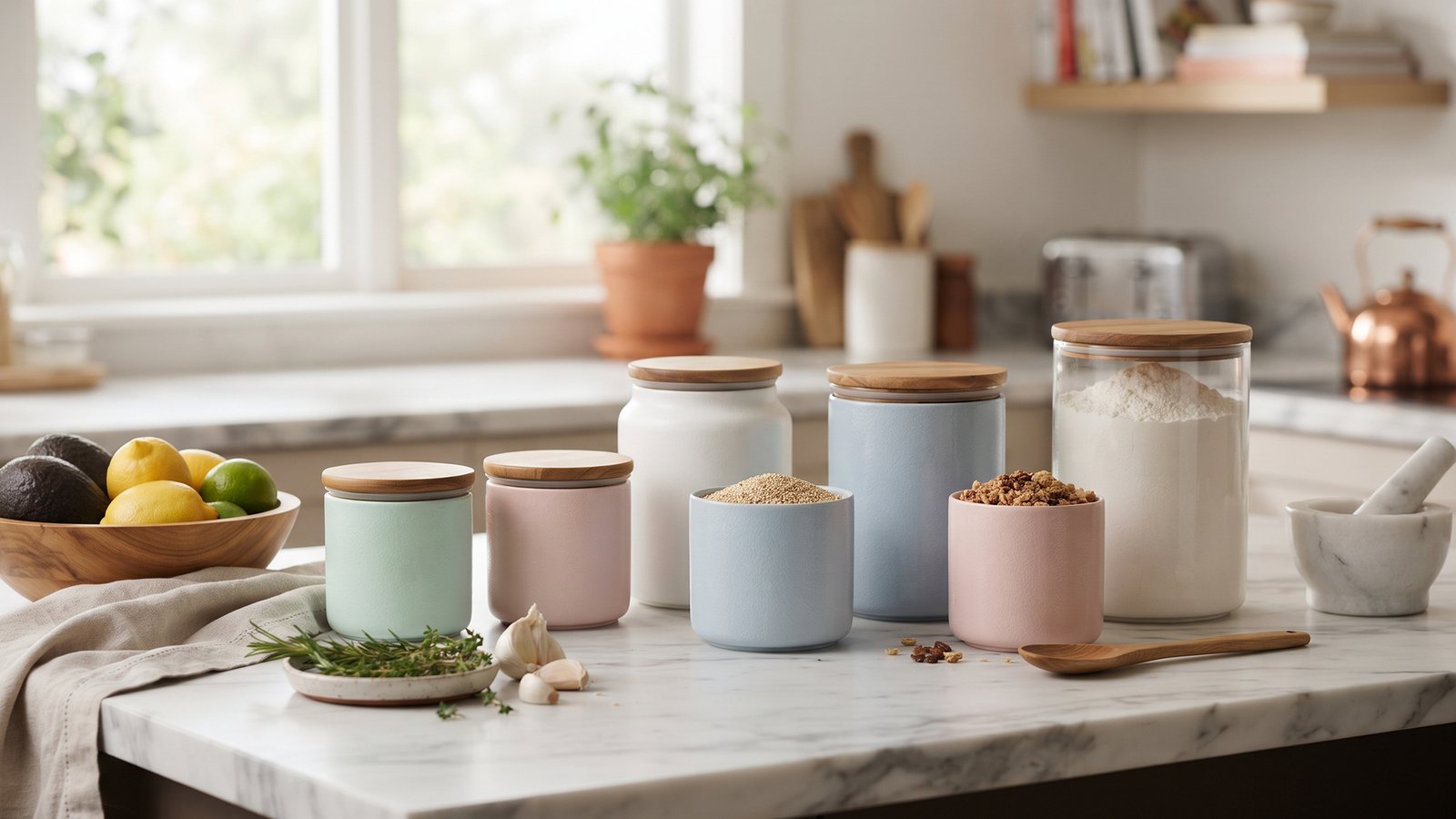
Upgrading your kitchen storage is one of the easiest ways to keep your pantry organized and your ingredients fresh for longer. Traditional plastic bins often stain, retain odors, and risk leaching harmful chemicals into your meals over time. By investing in stylish ceramic food storage containers with airtight lids, you get a durable, chemical-free solution that protects your food.
Table of Contents
Choosing the right airtight seal for your kitchen containers ensures that moisture and pests stay completely out of your dry goods. These containers combine timeless aesthetic appeal with practical functionality, making them a gorgeous addition to any countertop. Transitioning to these pieces gives you peace of mind regarding safety and long-term kitchen efficiency.
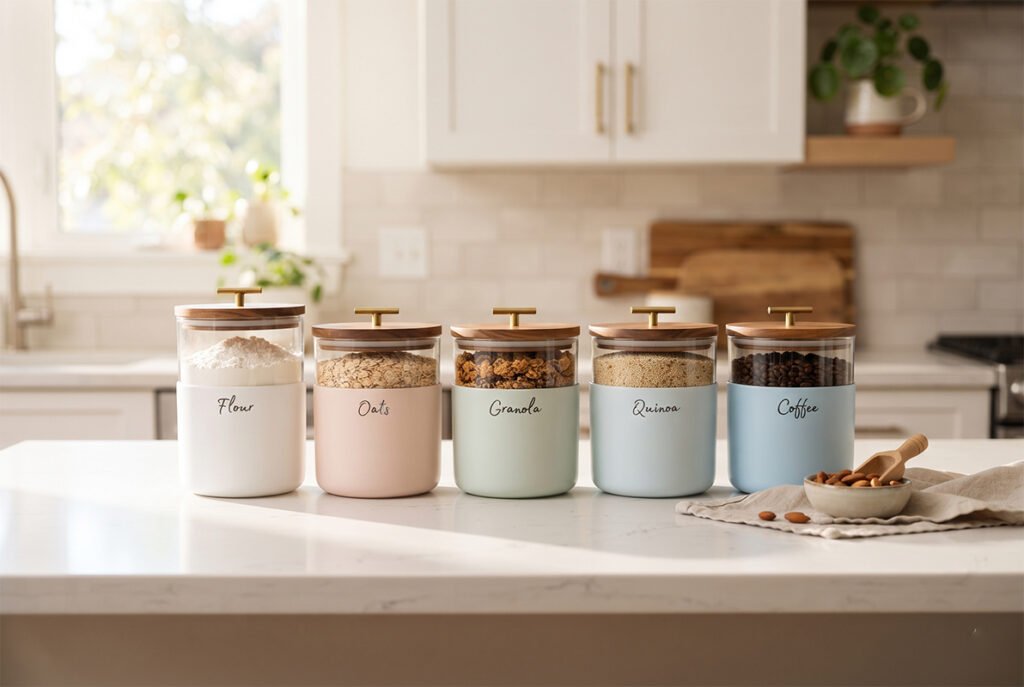
This structured guide walks you through health comparisons, top market brands, material safety regarding microplastics, and practical tips for maintaining airtight freshness in your home.
When evaluating health safety, consumers increasingly steer away from plastics due to the hidden threat of chemical leaching. Materials like non-toxic materials including pure glass, stainless steel, and ceramic stand out as the absolute safest choices for your family.
These options ensure that your meals remain free from endocrine-disrupting compounds and unwanted particles. Opting for certified food-safe finishes guarantees pure tasting ingredients every single time.
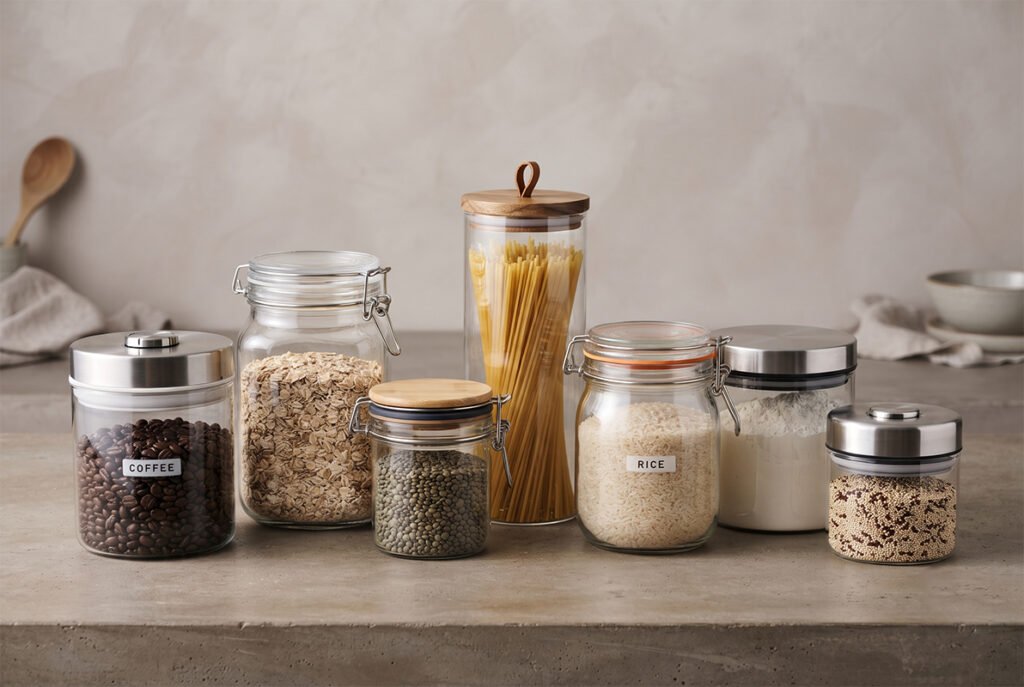
The top-performing storage containers feature robust locking mechanisms paired with high-grade silicone seals to lock out humidity. Whether you are storing coffee beans, flour, or snacks, an effective closure is non-negotiable for preserving flavor profiles.
Top contenders on the market successfully marry structural integrity with visually pleasing designs suited for open shelving and pantry organization. Selecting options equipped with easy-to-clean gaskets prevents mold buildup and maintains optimal hygiene.
Is It Safe to Store Food in Ceramic Containers?
Storing your favorite meals in ceramic vessels is completely safe as long as the glaze is certified lead-free and food-grade. High-quality stoneware sets provide a stable environment that does not react negatively with acidic foods like tomatoes or citrus juices.
Certified Lead-Free And Food-Grade
This makes them a vastly superior choice compared to cheaper alternatives that might degrade under acidic conditions. Always check manufacturer specifications to ensure your containers are safe for everyday kitchen use.
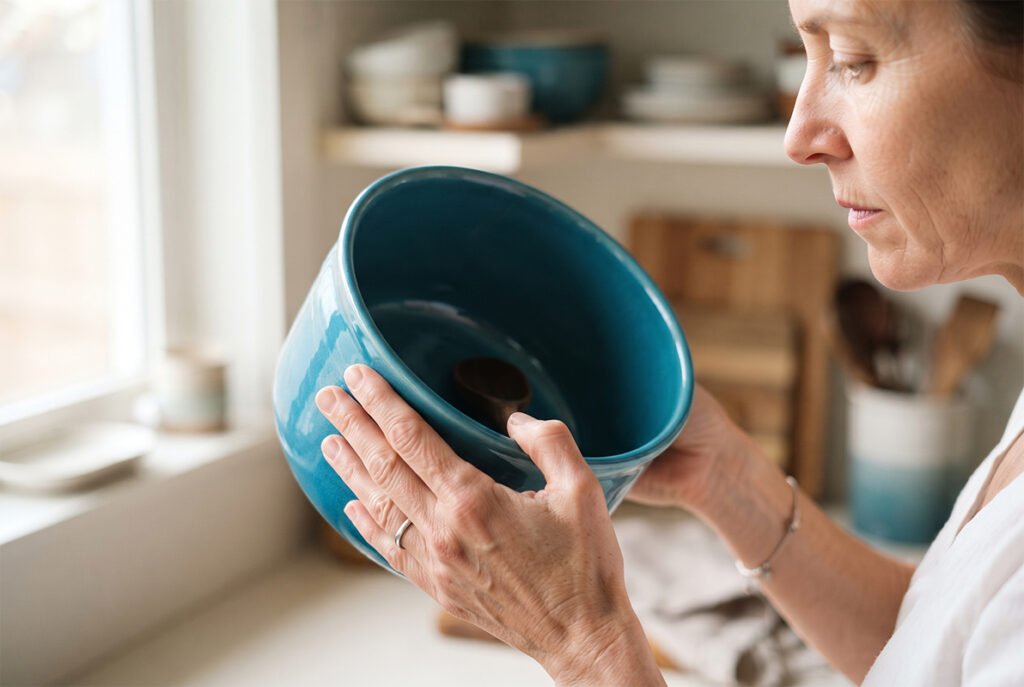
What Are Some Airtight Ceramic Containers Available? (Caraway, Martha Stewart, Le Creuset & More)
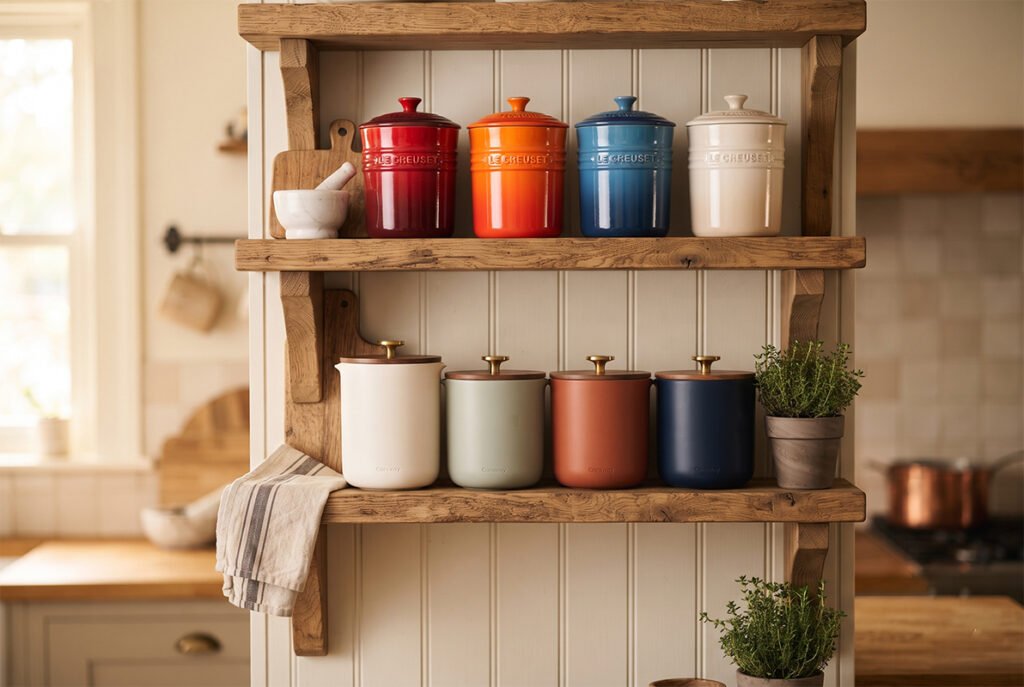
The market offers incredible choices like the Caraway Mini Rectangular or the Martha Stewart Broadbrook stoneware collections. Brands like Le Creuset also deliver iconic countertop canisters featuring specialized gaskets that secure food freshness.
Tired of Digging Through Messy Kitchen Drawers?
Discover how our top-rated, modular BPA-free container sets create a custom-fit, space-saving grid in any drawer.
Integrating these popular brand-name items into your layout ensures high performance alongside chic modern aesthetics. Each option brings distinct structural strengths tailored for preserving everything from coffee beans to loose-leaf tea.
What Is Better for Food Storage, Ceramic or Glass?
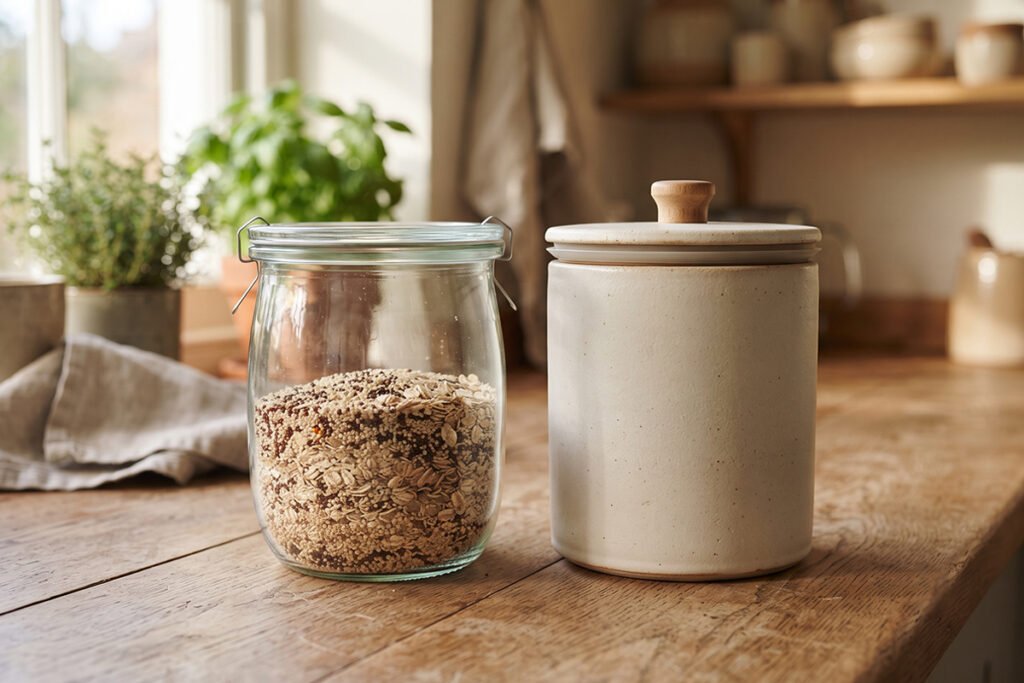
Deciding between ceramic and glass comes down to personal aesthetic preferences and light exposure needs. While glass lets you see contents instantly, opaque ceramic food storage containers with airtight lids protect light-sensitive ingredients like spices from degrading.
Opaque Ceramic Food Storage Containers
Both materials excel at maintaining safety, but ceramic offers heavier durability and classic artisan charm. Choosing ceramic is ideal if you prefer hiding visual clutter while keeping your ingredients securely sealed.
What Food Storage Containers Are Safe From Microplastics?
Eliminating plastic exposure starts by switching exclusively to natural materials that guarantee zero microplastics in your daily meals. Certified ceramic, stainless steel, and heavy-duty glass are your best defenses against microparticle contamination.
Protecting your household from synthetic pollutants ensures long-term wellness and cleaner nutrient absorption. Non-plastic containers also prevent unwanted hormone-disrupting chemicals from migrating into warm leftovers.
Which Brand of Airtight Containers Is Considered the Best?
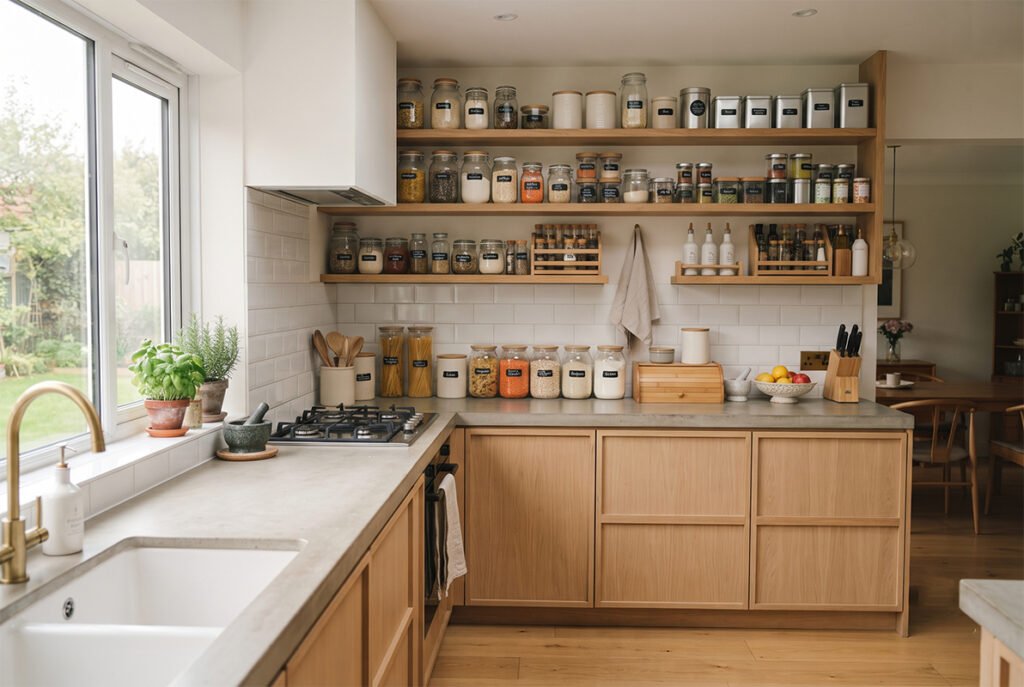
Determining the ultimate brand depends heavily on your specific lifestyle needs and stylistic preferences in the kitchen. Heavy-hitting names like Blue Donuts and Numhew consistently rank high for offering reliable gasket closures and durable glaze finishes.
Investing in top-tier brands guarantees that your airtight seal will not warp or degrade after a few months of washing. Look for manufacturers that back their storage systems with solid quality guarantees.
What Should You Not Store in Airtight Containers?
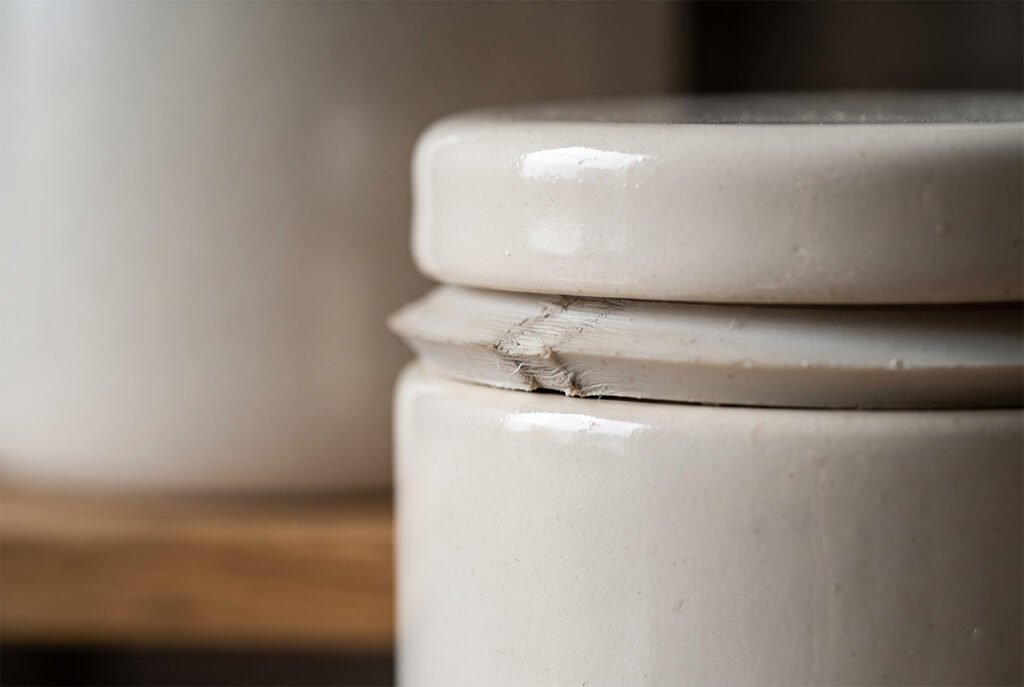
Even with an exceptional seal, certain foods like freshly baked, warm bread trap moisture and quickly develop mold. Highly pungent items like fresh onions or specific raw mushrooms can also cause trapped odors that linger in gaskets.
Dry goods must also be completely dehydrated before sealing to prevent hidden moisture from ruining your batch. Knowing these limitations helps you maximize the lifespan of your containers and ingredients.
What Food Storage Containers Do Chefs Use?
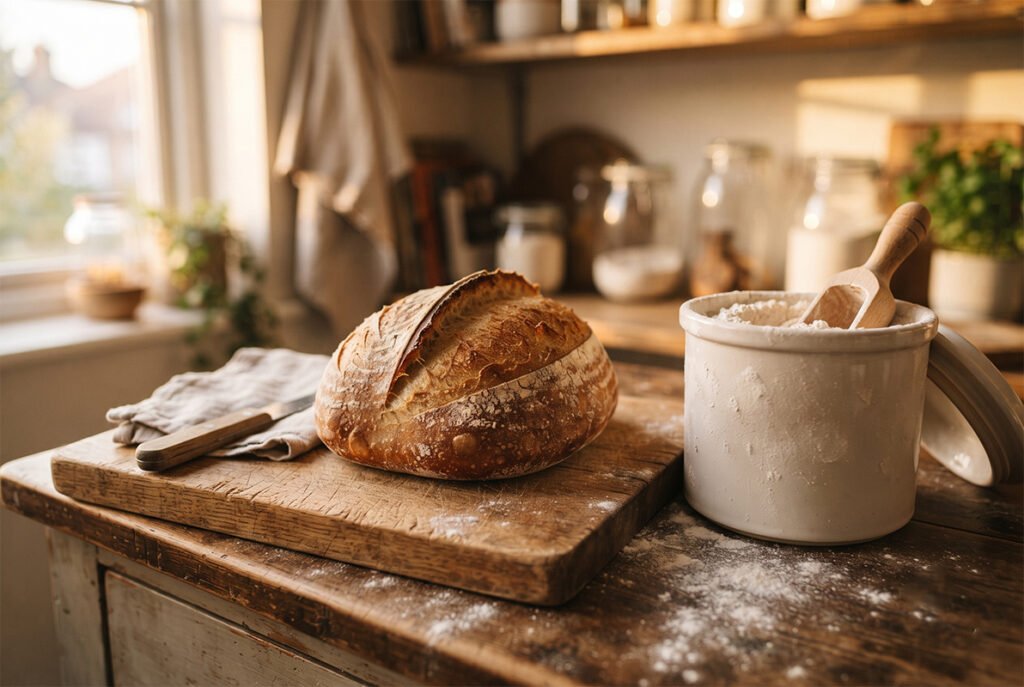
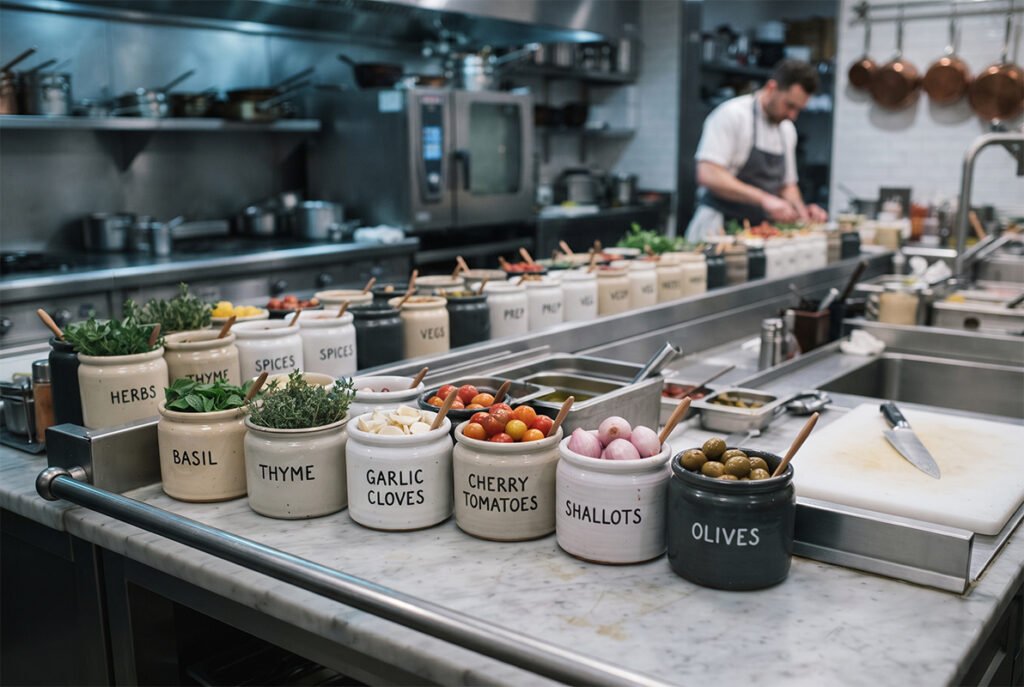
Professional culinary experts typically rely on commercial-grade stainless steel and heavy glass for high-speed kitchen prep work. However, they frequently utilize decorative ceramic canisters for storing specialty dry herbs, coffee, and finishing salts on station.
These professional workflows prioritize structural reliability, easy sanitation, and thermal stability under rigorous conditions. Adopting similar storage habits brings professional-grade efficiency directly into your home kitchen.
What to Avoid in Food Storage Containers
Always steer clear of vintage plastics, scratched containers, and uncertified ceramics containing unknown chemical glazes. Avoid products with loose gaskets or weak closures that fail to lock out humidity and pantry pests.
Checking for quality manufacturing defects protects your household from hidden toxins and spoiled dry goods. Prioritizing safety over cheap convenience ensures a truly sustainable kitchen environment.
Is a 20-Year-Old Tupperware Safe to Use?
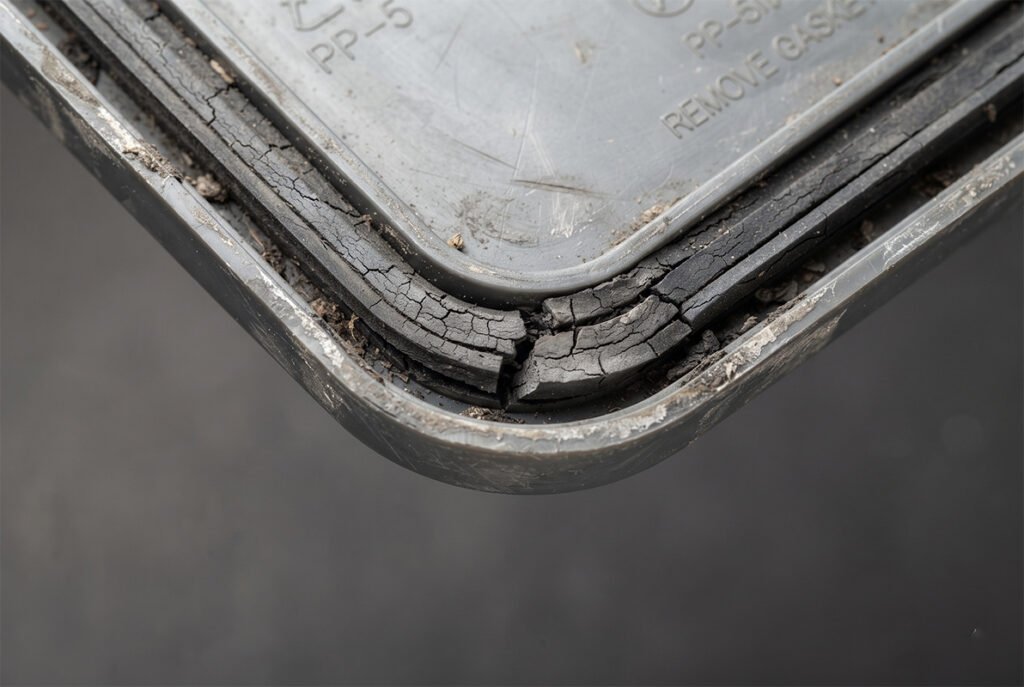
Using vintage plastic containers from decades ago poses serious health risks due to outdated manufacturing safety standards. Older plastics frequently degrade, leach chemicals, and harbor microscopic cracks that trap stubborn bacteria.
Transitioning away from legacy plastic items toward modern ceramic storage is a healthy upgrade for your home. Modern materials eliminate the uncertainty associated with aging synthetic polymers.
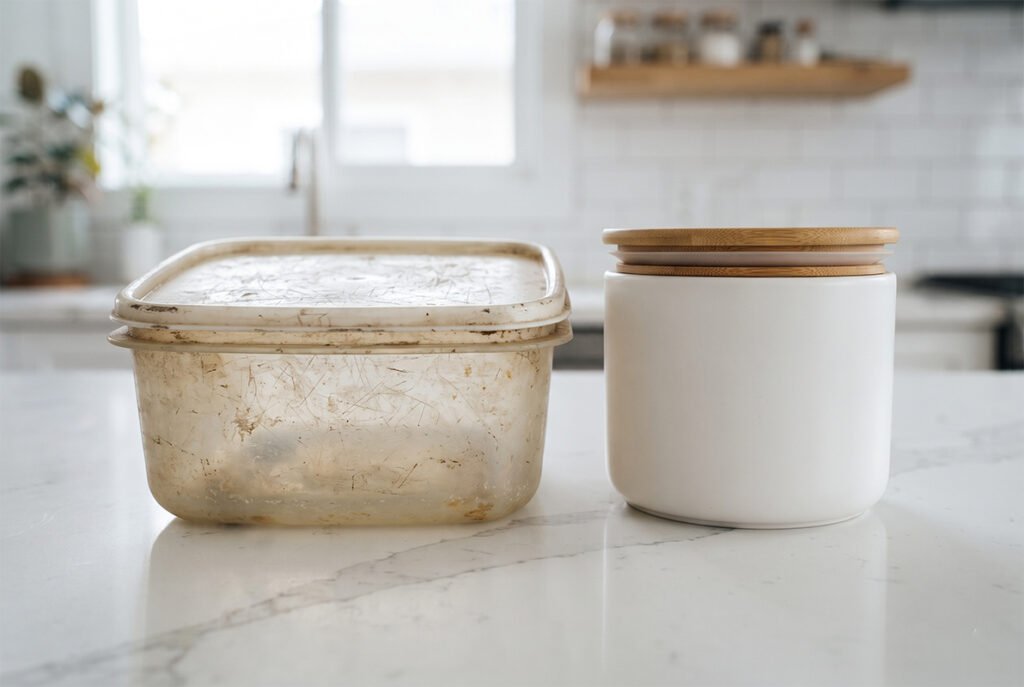
What Are the Advantages and Disadvantages of Using Ceramic Food Storage Containers?
Ceramic containers offer exceptional aesthetic appeal, excellent light protection, and a completely non-toxic storage surface. Their primary disadvantages include a heavier overall weight and susceptibility to shattering if dropped carelessly.
Weighing these pros and cons helps you decide which sections of your kitchen benefit most from ceramic storage. For countertop use, their beauty and safety far outweigh the minor weight drawbacks.
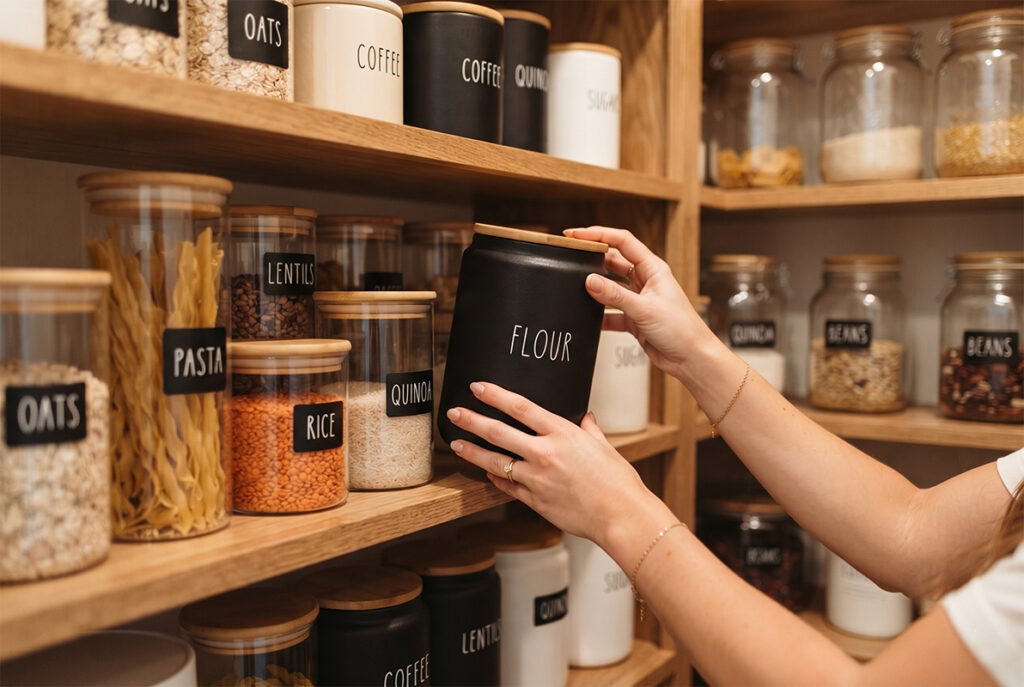
How Can I Tell if a Container Is Airtight?
A reliable test for airtight integrity is the water leak test or checking for strong vacuum resistance when lifting the lid. If the lid requires a gentle pull and releases with a satisfying pop, your silicone seals are working properly.
Ensuring your containers pass these simple checks prevents humidity from ruining expensive dry ingredients. Routine gasket maintenance keeps your storage system performing like new.
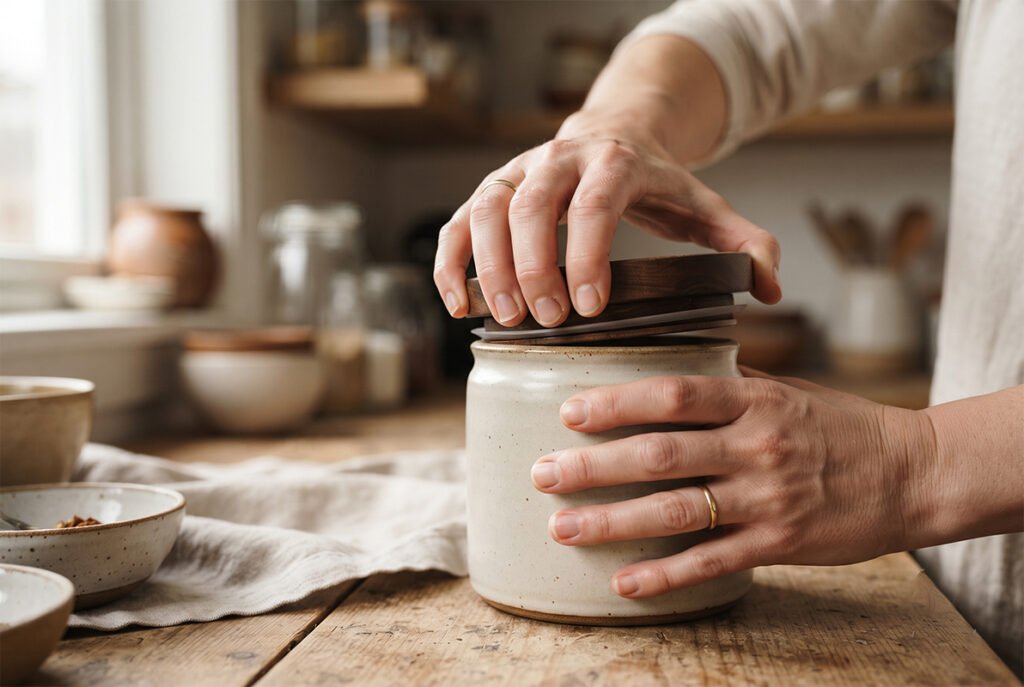
What Are the Top-Rated Airtight Storage Containers?
Consumer favorites feature robust locking mechanisms, sleek profiles, and high ratings for keeping pantry staples fresh. Sets from trusted makers dominate top lists due to their balanced mix of utility and stunning visual design.
Investing in top-rated units saves you money over time by drastically reducing food waste caused by spoilage. High ratings reflect real-world durability and dependable daily performance.
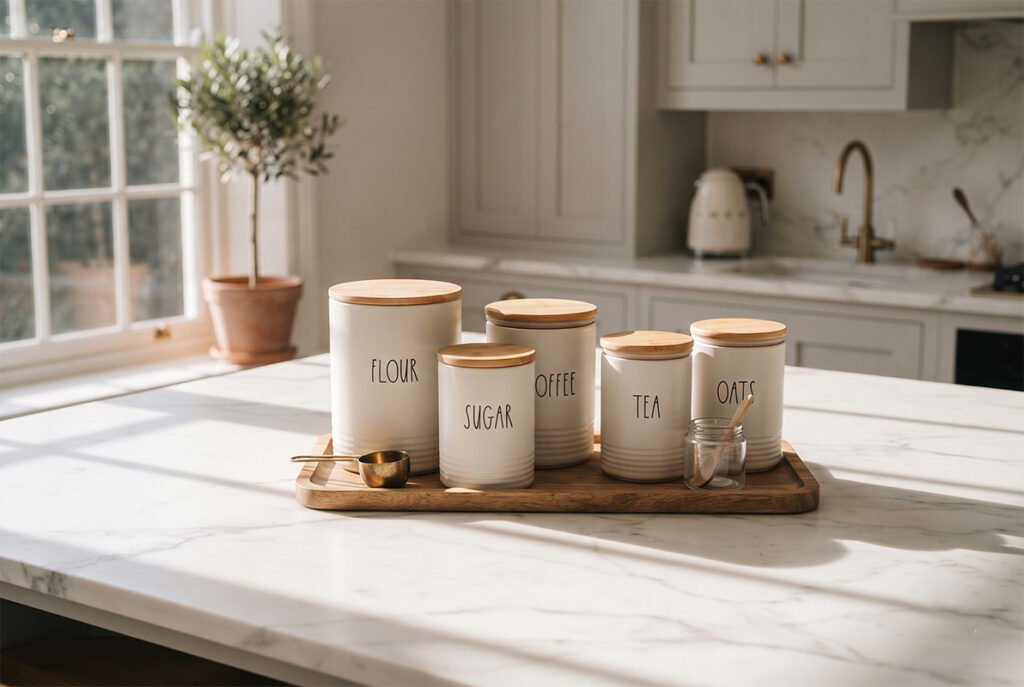
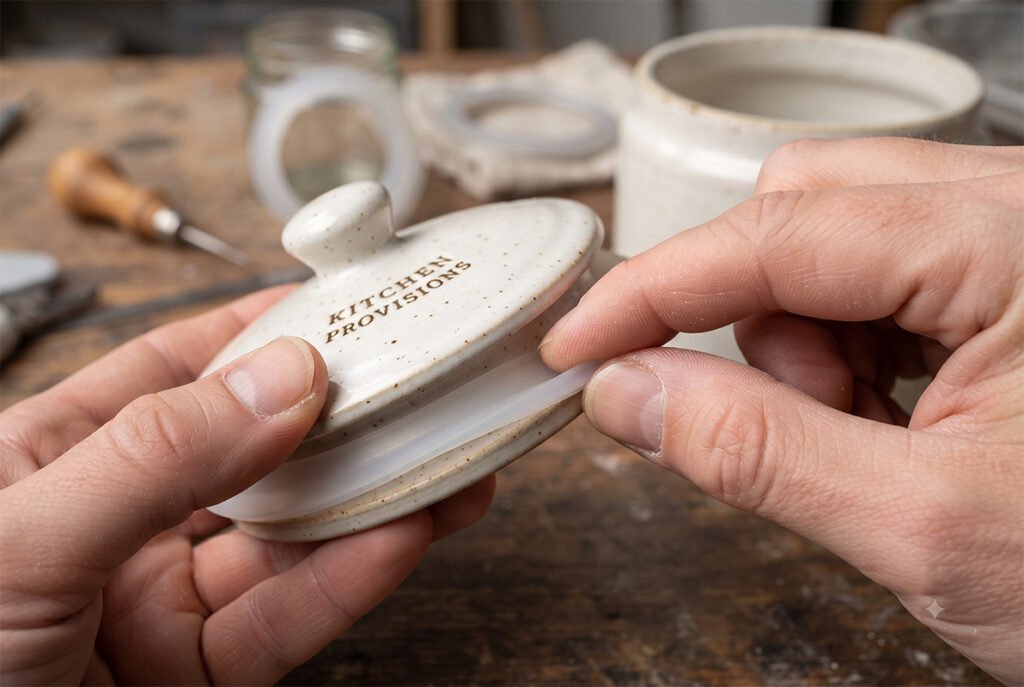
How to Make a Ceramic Lid Airtight?
If your favorite ceramic jar lacks a tight fit, you can easily upgrade it using food-grade silicone replacement gaskets. Applying a custom silicone ring creates a custom barrier that locks out air and moisture effectively.
This simple DIY fix revitalizes older or artisan-made containers that lacked factory sealing features. Proper gasket maintenance ensures long-term airtight performance for unique kitchen finds.
What Is the Healthiest Container to Store Food in?
The absolute healthiest containers for food storage are those made from inert, non-reactive natural materials like glass and ceramic. These options guarantee that no synthetic compounds interact with your meals during storage.
Prioritizing chemical-free storage safeguards your family’s health while keeping your kitchen neatly organized. Making this conscious shift transforms your pantry into a safe, sustainable space.
Top Recommended Ceramic Food Storage Products to Buy
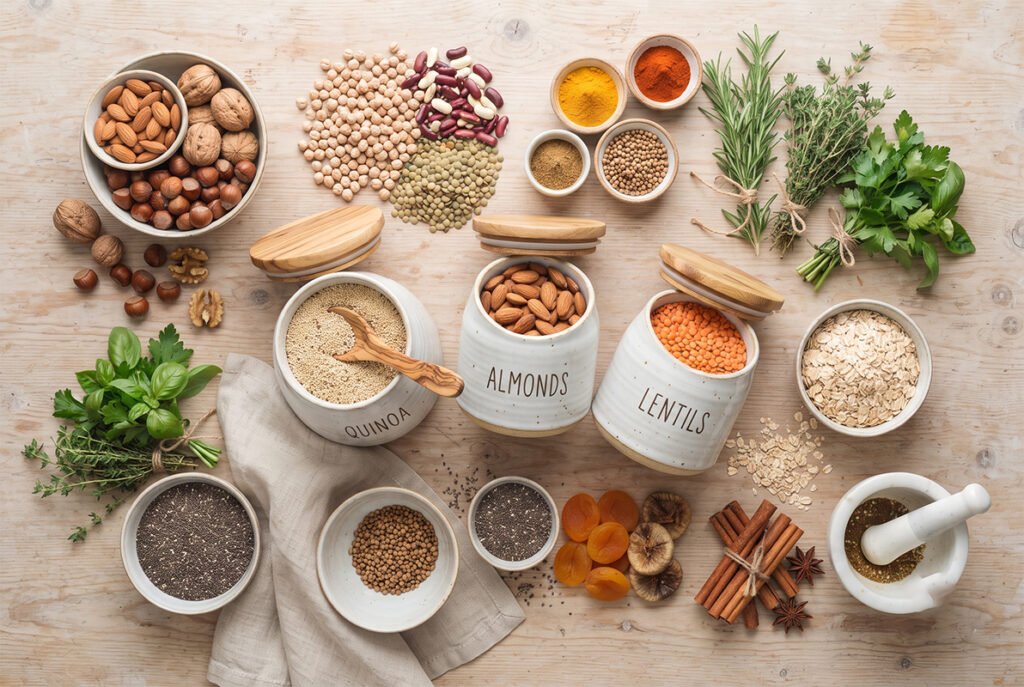
- Caraway Ceramic Food Storage Set: Features gorgeous modern aesthetics, non-toxic construction, and reliable airtight sealing performance.
- Le Creuset Stoneware Heritage Canister: Delivers legendary French craftsmanship, durable chip-resistant glaze, and a secure wood or stoneware lid.
- Martha Stewart Broadbrook Stoneware Canisters: Offers classic farmhouse charm combined with practical everyday freshness for pantry staples.
Conclusion
Upgrading your home with reliable, non-toxic storage solutions is a transformative step toward a healthier lifestyle. By choosing quality vessels, you protect your ingredients from moisture while enhancing your kitchen’s overall aesthetic. Embrace these smart storage choices today for a fresher, safer pantry.
Leave a Reply