

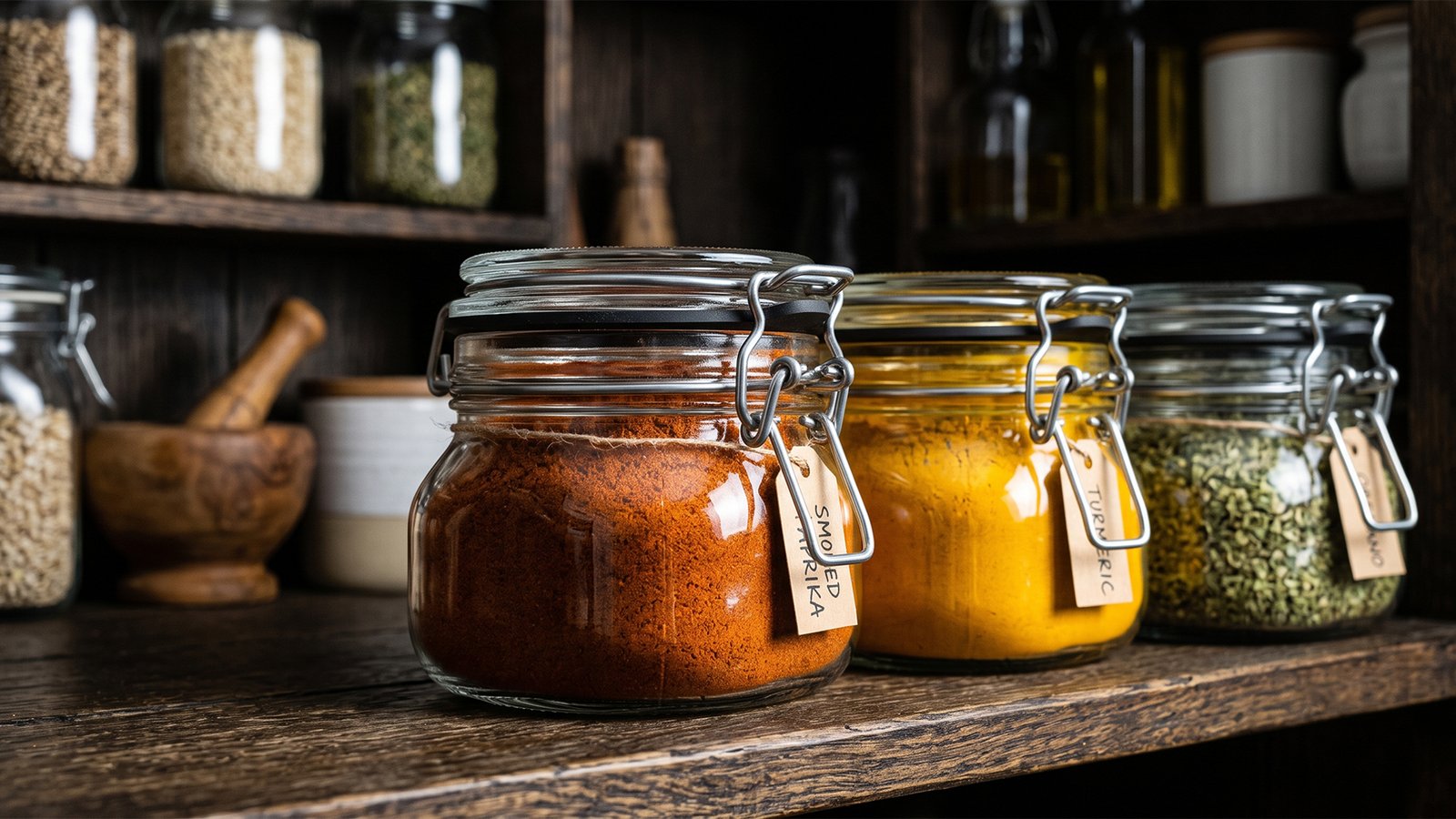
This comprehensive structure guides the reader through immediate, natural prevention habits, actionable moisture-control hacks, and methods to fix already hardened seasonings.
It also provides deep authoritative value by addressing safety questions regarding commercial anti-caking agents, salt additives, and professional kitchen storage standards.
Table of Contents
Mastering how to prevent spices from clumping in humid weather starts with altering a few daily habits in your kitchen routine. High humidity control is difficult when airborne moisture constantly enters open containers during daily meal prep.
Implementing proper spice storage habits shields your favorite seasonings from ambient dampness before hardened blocks can form. By establishing a clean, sealed environment, you significantly extend overall spice shelf life and maintain maximum flavor potency.
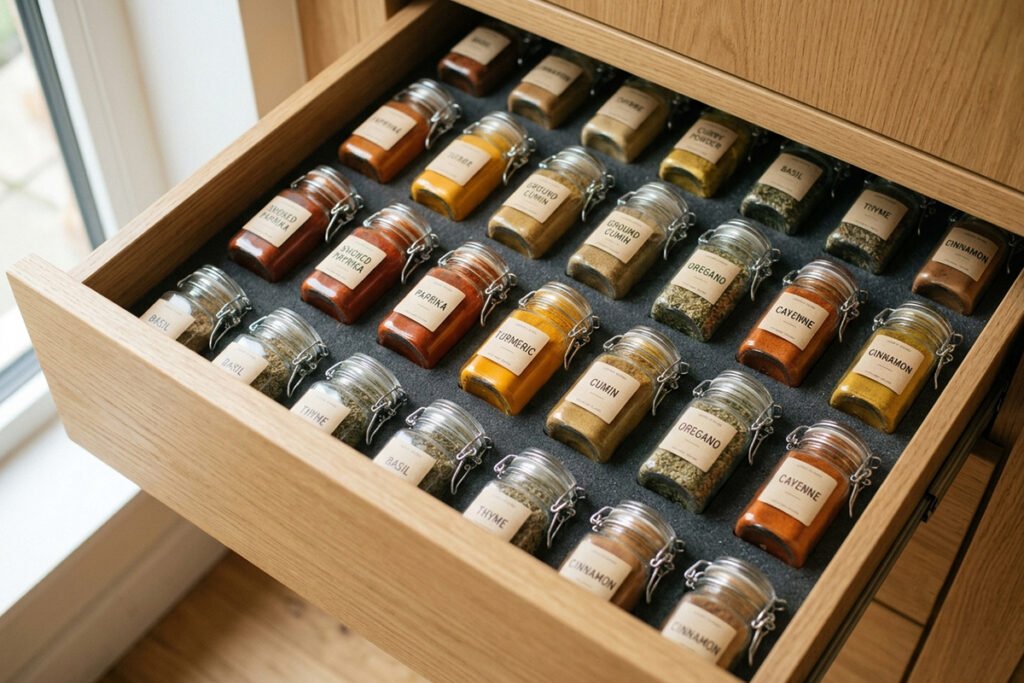
Creating an absolute airtight seal is your first line of defense against ambient moisture in damp environments. Standard flip-top lids often allow invisible water vapor to seep in over time, destroying ground powders.
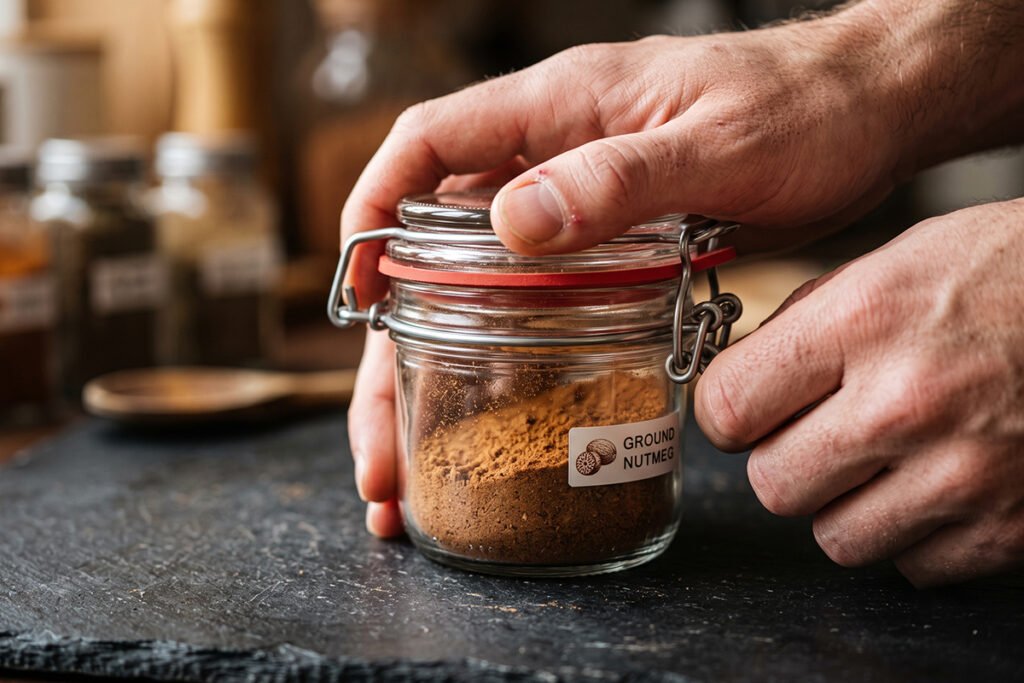
Investing in high-quality glass jars equipped with silicone gaskets or heavy-duty screw caps keeps ambient air out. Always wipe down the container rims before closing them to ensure fine powder doesn’t break the seal integrity.
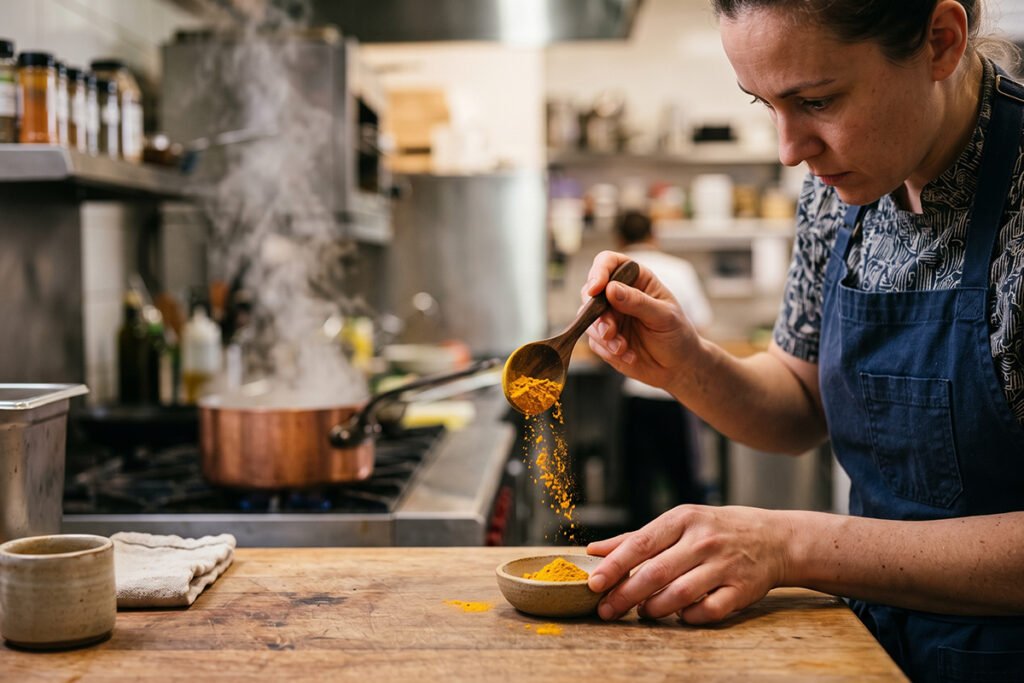
Shaking open spice containers directly over steaming pots is the fastest way to cause rapid seasoning clumping fix emergencies. Hot water vapor travels upward, instantly coating the inside rim and inviting immediate spice degradation.
Instead of shaking containers over active cooktops, measure your seasonings into your clean palm or a small dry bowl first. This tiny habit shift stops moisture from migrating directly into your main jar supply.
Keep Away From Heat and Light
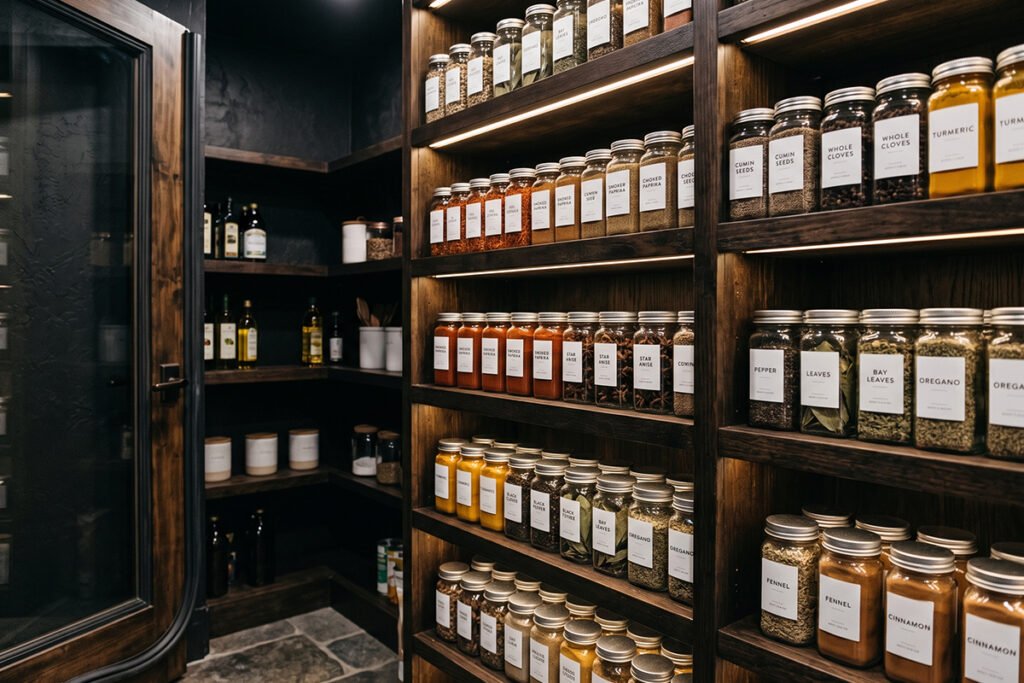
Storing your spices near your stove or in direct sunlight dramatically speeds up caking and spoils flavor. High temperatures draw out trace oils from ground ingredients, making them stick together into tough lumps.
Keep your jars inside a cool, dark pantry or a dedicated spice drawer away from oven vents. Maintaining a stable, cool environment is essential for effective moisture control and long-lasting freshness.
Effective Moisture Control Tricks for Humid Climates
When ambient dampness is unavoidable, proactive tricks can help combat constant air exposure. Protecting delicate ground seasonings requires active absorption techniques that trap humidity before it touches your spices.
Using simple household items alongside smart storage methods ensures your pantry items stay free-flowing. Implementing these hacks allows you to master how to prevent spices from clumping in humid weather effortlessly.
Add Dry Grains or Rice
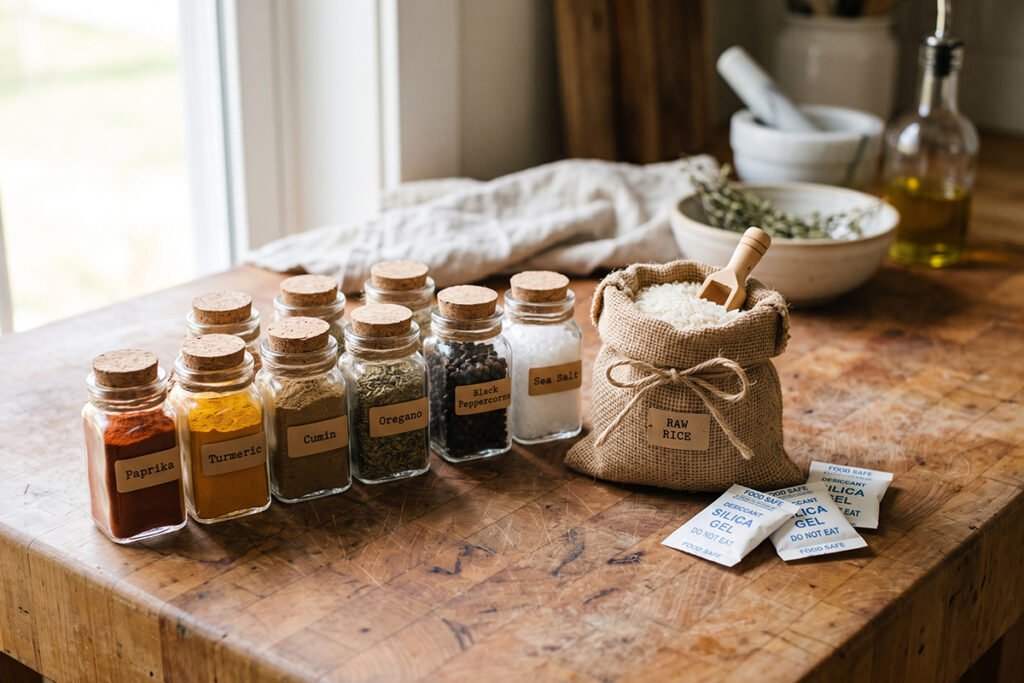
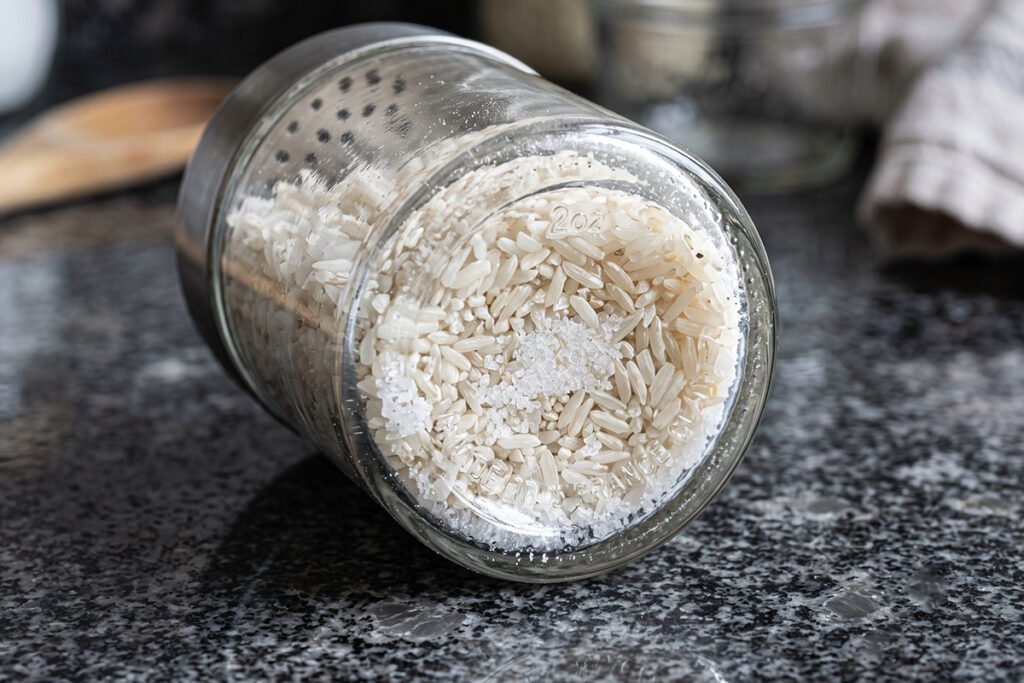
Dropping a few grains of uncooked white rice into your spice shaker is a classic, budget-friendly defense against moisture. The dry grains act as a natural anti-caking agent by absorbing stray water vapor before the powder can.
Additionally, the movement of the heavy rice grains creates a gentle mechanical friction when shaken. This friction breaks apart tiny clumps automatically every time you reach for the bottle.
Use Food-Safe Silica Packets
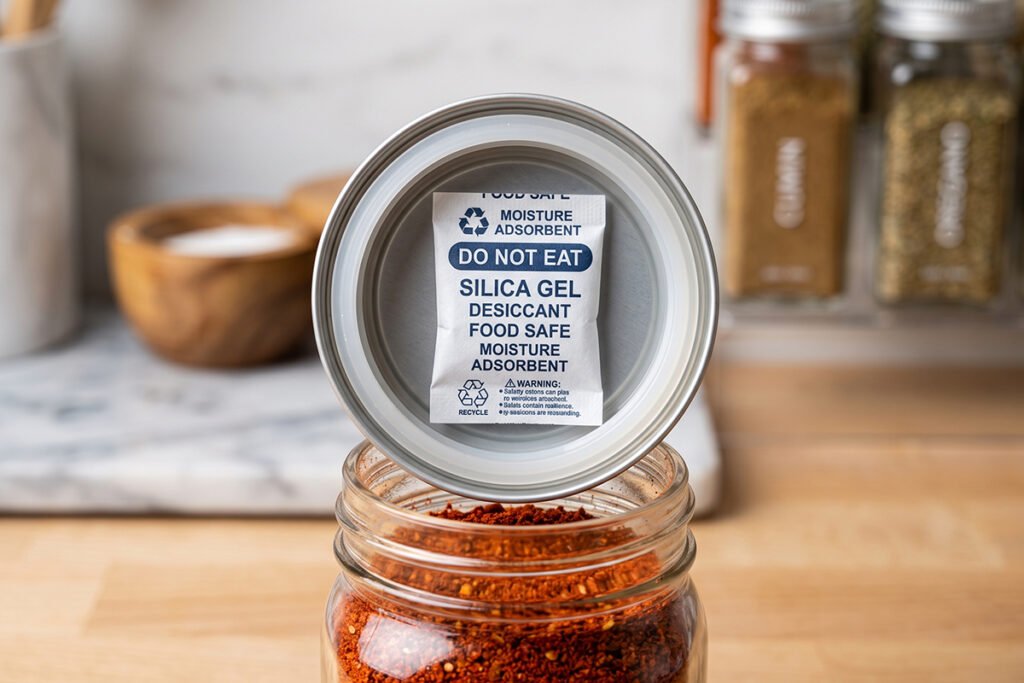
Placing small, food-safe silica gel packets inside or under the lids of your jars offers maximum protection. These specialized packets draw in surrounding airborne dampness with incredible efficiency without altering food taste.
Make sure to select strictly food-grade packets rated for kitchen storage. Swap them out every few months to maintain peak performance during high-humidity seasons.
Refrigerate or Freeze Sensitive Blends
Extremely humid regions often require cold storage for delicate items like paprika, chili powder, and onion powder. Cold environments slow down chemical reactions and prevent natural oils from clumping together.
Always store these blends in double-sealed containers before placing them in the fridge or freezer. Allow frozen jars to reach room temperature before opening to avoid rapid surface condensation.
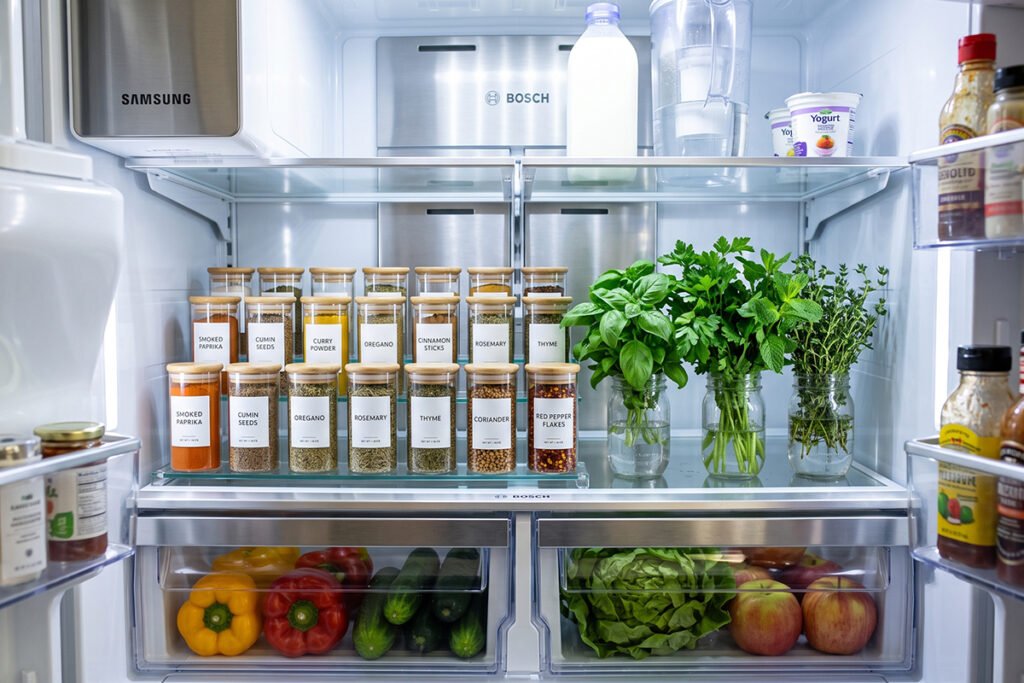
How to Keep Spice Mixes and Seasonings From Clumping
Spice blends containing sugar, salt, or high oil contents attract moisture far faster than single ingredients. These Hygroscopic mixtures absorb water directly from the air, requiring extra vigilant handling during hot summer months.
To protect complex rubs, mix smaller batches that you can finish within a few weeks. Storing raw ingredients separately until needed preserves texture and prevents immediate hardening in high humidity.
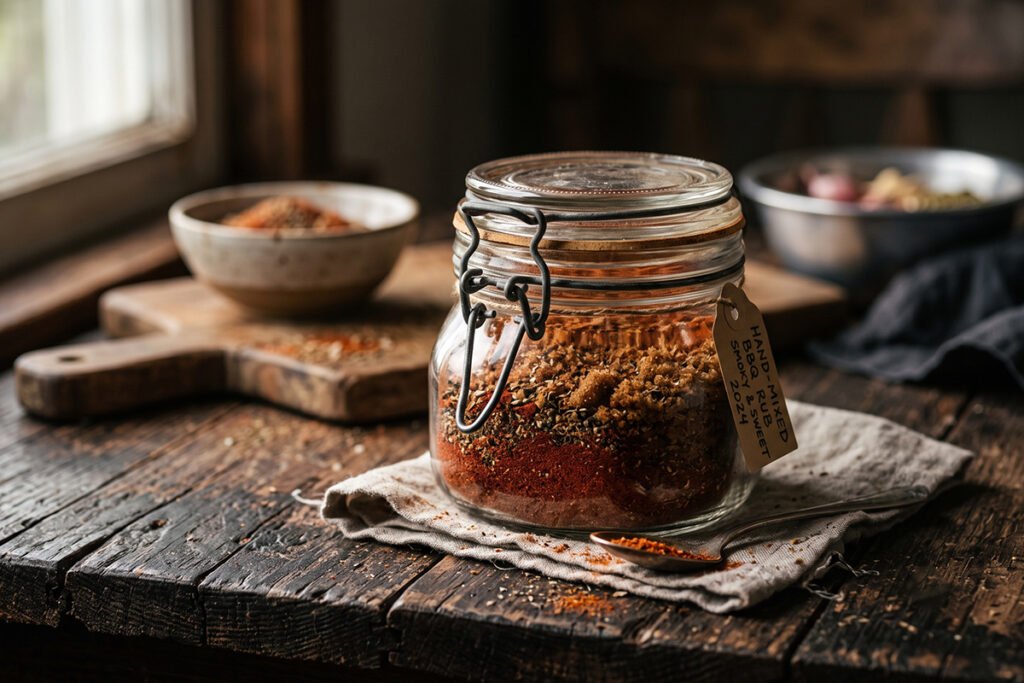
Is There a Way to Unclump Hardened Seasonings?
If ambient moisture has already solidified your favorite garlic powder, you do not need to throw it away. You can easily fix a hardened brick with a simple seasoning clumping fix using everyday kitchen tools.
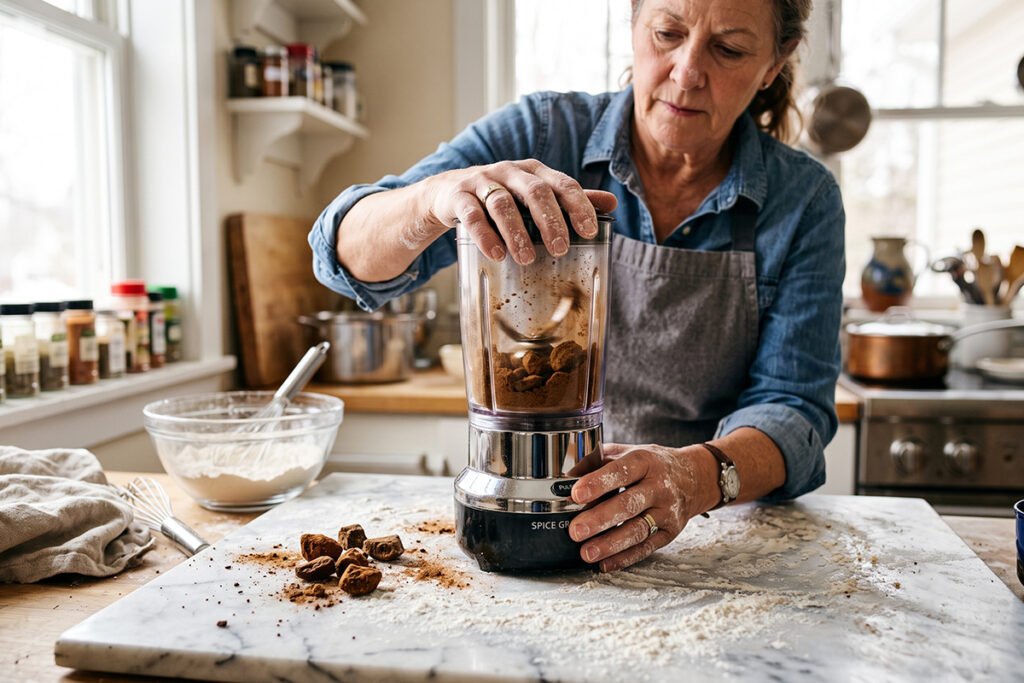
Break the block into smaller chunks using a clean butter knife, then blend it briefly in a small food processor. Alternatively, warm the clumped spice on a baking sheet on low oven heat to evaporate trapped moisture before re-grinding.
How to Store Spices in a Humid Climate Long-Term
Long-term preservation during rainy seasons requires multi-layer defense against surrounding dampness. Relying on basic plastic store bottles often leads to severe spice degradation over extended months.
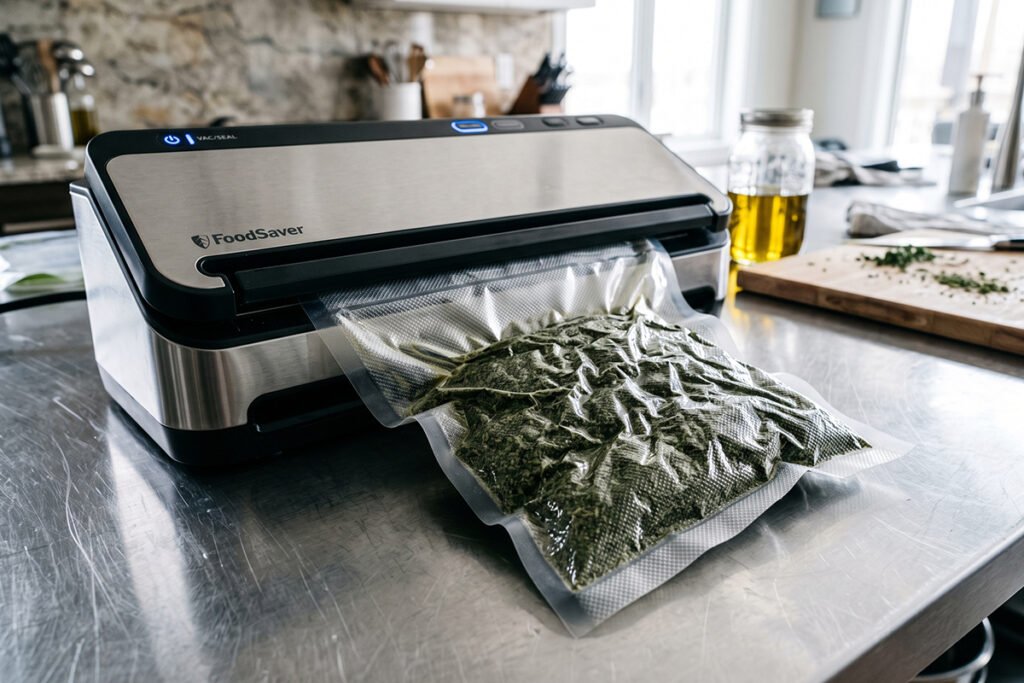
Vacuum-sealing bulk spice supplies in heavy-duty bags protects them entirely from external atmosphere changes. Transfer small working portions into glass containers for daily cooking while keeping bulk stocks sealed tight.
Understanding Anti-Caking Agents: Options and Safety
Commercial food producers routinely mix fine powders with additives to ensure smooth pouring out of retail packaging. Understanding how these substances work helps you choose between store-bought solutions and home remedies.
Evaluating these additives allows you to select safe, clean solutions for your household pantry needs. You can maintain smooth powders while choosing the best natural anti-caking agent for your family.
What is the Best Anti-Caking Agent for Spices?
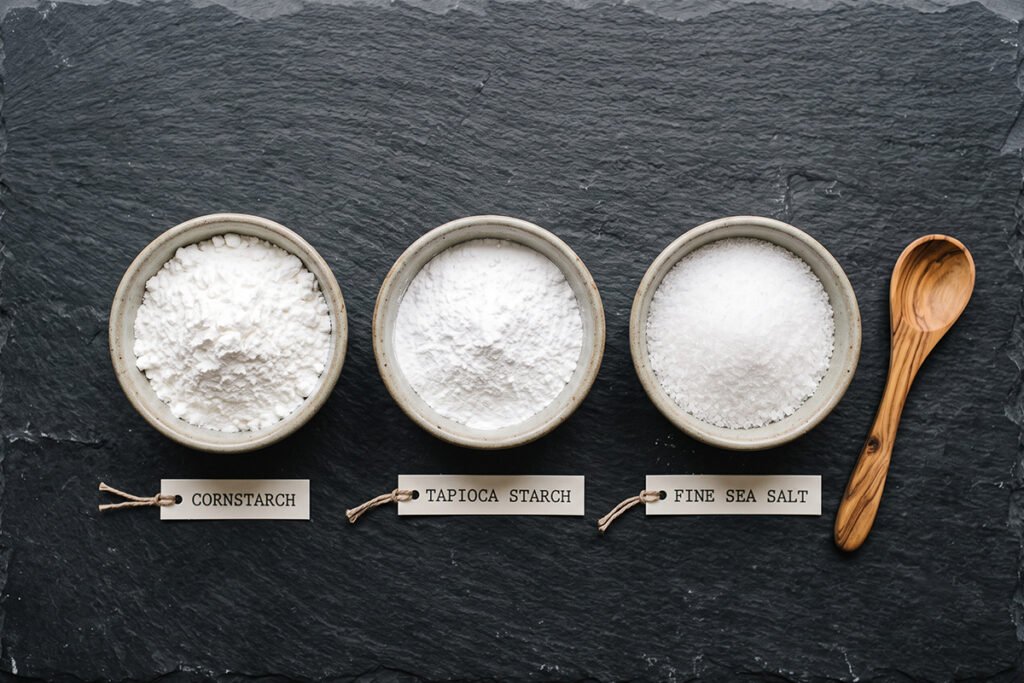
Food-grade silicon dioxide and calcium silicate stand out as highly efficient commercial options for keeping powders separate. They coat individual particles, creating a dry barrier that repels water vapor continuously.
Arrowroot Powder Or Arrowroot Starch
For home cooks who prefer natural alternatives, fine arrowroot powder or arrowroot starch works exceptionally well. A tiny pinch added to home mixes absorbs excess water without impacting overall flavor.
Can Cornstarch Be Used as a Natural Anti-Caking Agent?
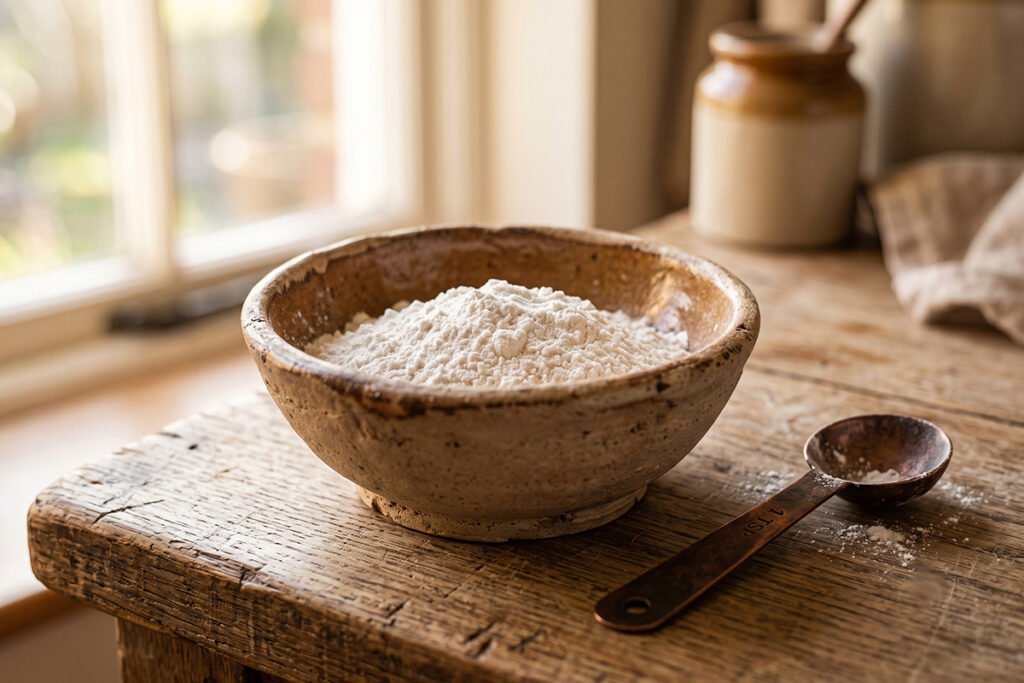
Yes, cornstarch acts as an exceptional, highly accessible natural anti-caking agent for home seasoning blends. Its ultra-fine texture absorbs moisture rapidly, preventing fine powders from forming solid structures.
Are You Storing Your Food the Wrong Way?
Using daily containers for long-term storage can lead to hidden spoilage and hundreds of dollars in wasted groceries every year.
Add roughly one-quarter teaspoon of cornstarch per cup of homemade spice mix for optimal results. Ensure the starch is thoroughly blended throughout the mixture to maintain uniform distribution.
What Are Natural Anti-Caking Agents vs. Synthetic Additives?
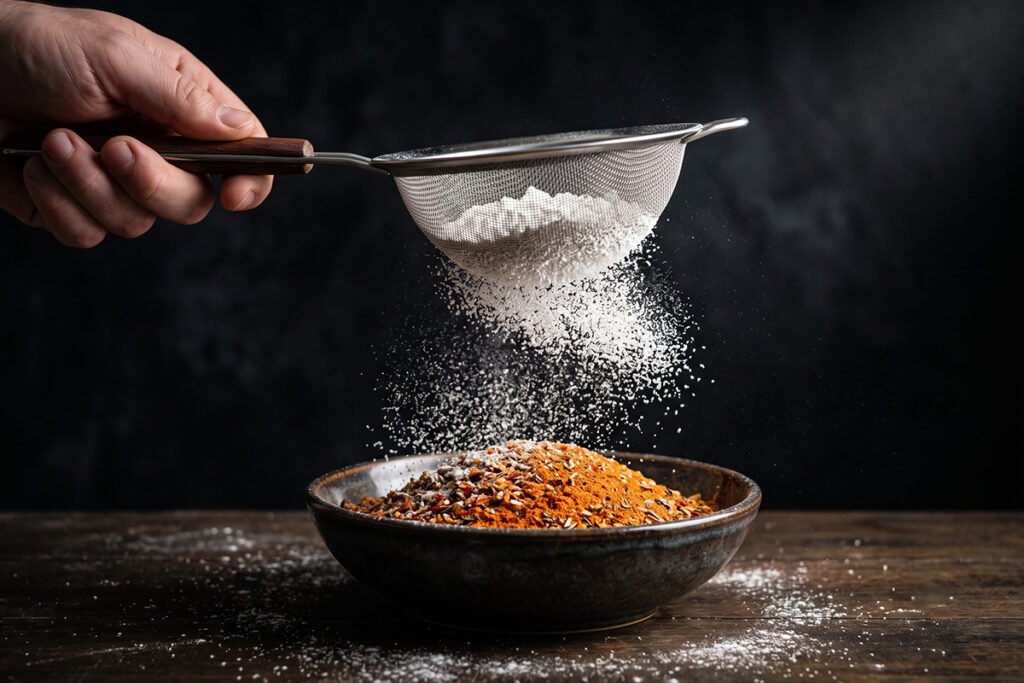
Natural anti-caking additives stem from organic plant starches like corn, tapioca, and rice grains. Synthetic counterparts rely on processed minerals like sodium aluminosilicate or silicon dioxide to absorb liquid.
Both categories prevent block formation effectively, but natural starches appeal more to clean-eating preferences. Natural starches may alter liquid consistency slightly when cooked, whereas mineral additives remain completely neutral.
What is the Most Common Anti-Caking Agent in Store-Bought Spices?
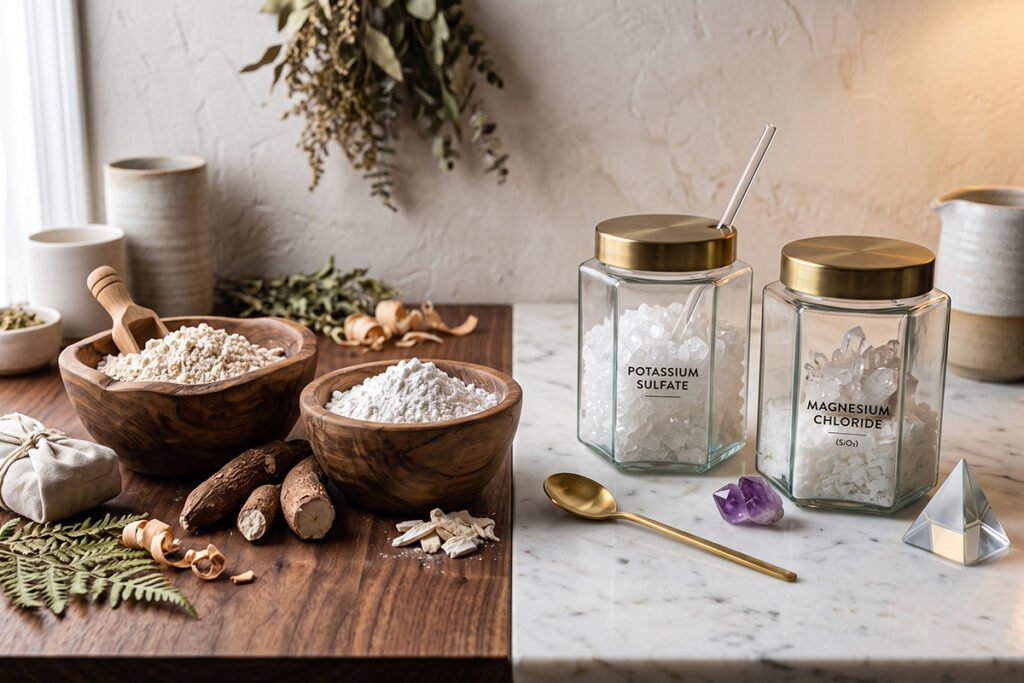
Silicon dioxide is the most widespread compound utilized by major commercial spice manufacturers today. This naturally occurring mineral derivative coats tiny granules seamlessly, resisting heavy atmospheric moisture during shipping.
It offers superior flowability without changing the color, smell, or taste of the underlying product. Check ingredient labels on retail bottles to identify whether this compound is present.
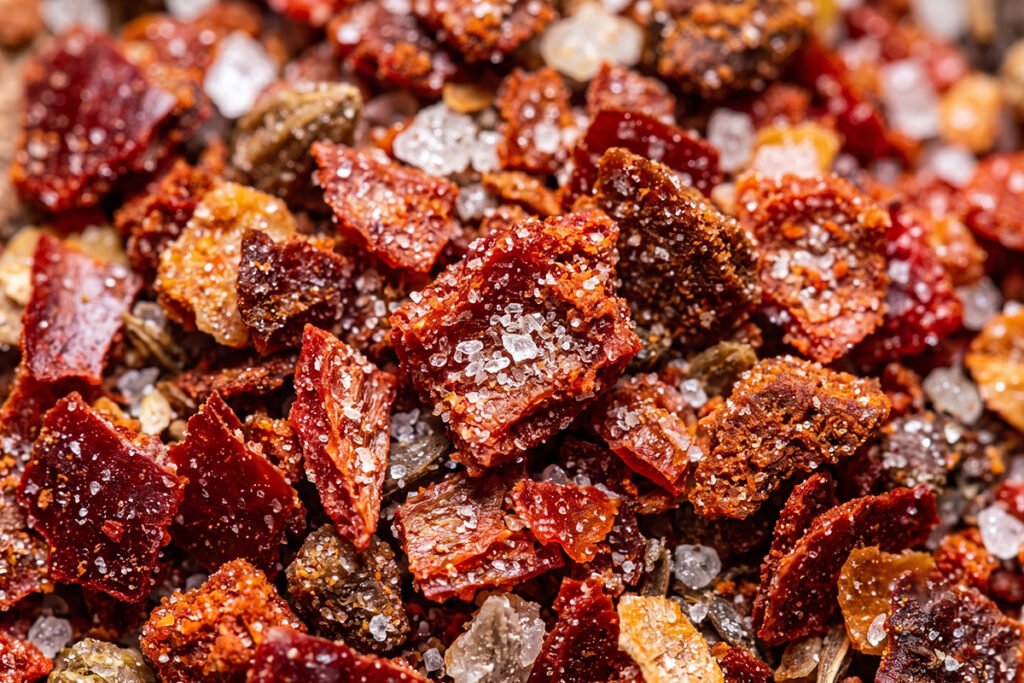
What Does an Anti-Caking Agent Do to Your Body and Is 460 Bad?
Additive 460, known commonly as microcrystalline cellulose, is a purified plant-derived fiber used for texture control. The human digestive tract passes this insoluble fiber through without absorbing or breaking it down.
Additive 460, Known Commonly As Microcrystalline Cellulose
Regulatory agencies evaluate these food additives thoroughly to ensure they remain completely safe for human consumption in tiny quantities. They pose no health risks when consumed within standard dietary levels.
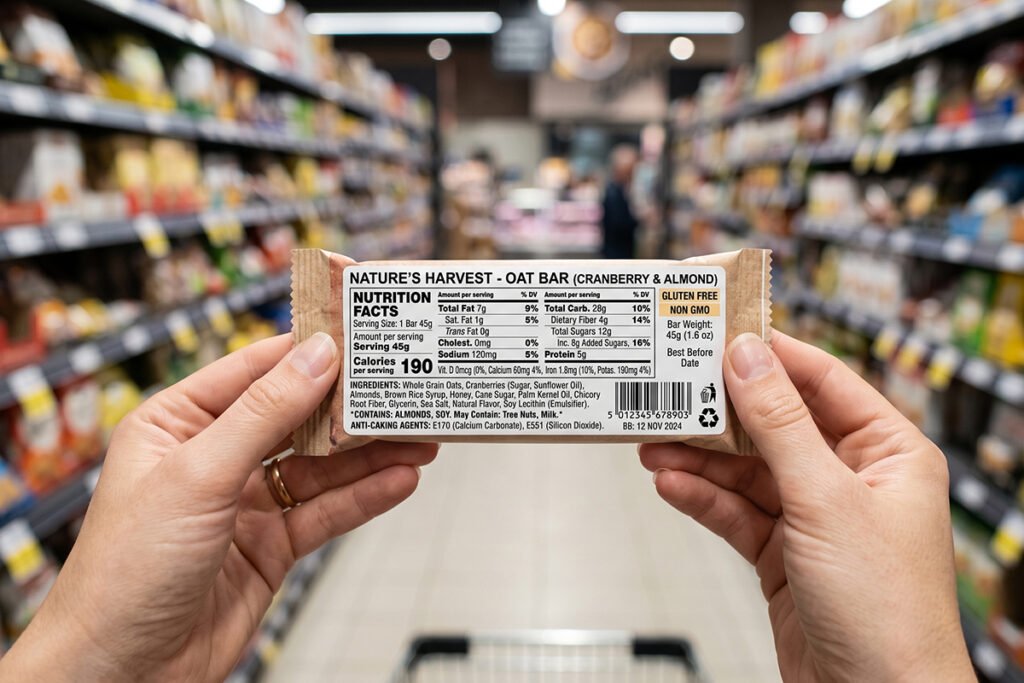
What Foods Commonly Use Anti-Caking Agents?
Beyond standalone ground seasonings, these flow agents appear frequently in powdered milk, instant soups, and cake mixes. Shredded cheeses also utilize cellulose coatings to prevent individual strands from sticking together inside plastic bags.
Table salts, powdered sugar, and drink mixes rely heavily on these compounds to maintain consumer usability. Without these ingredients, pre-packaged grocery items would solidify rapidly on retail shelves.
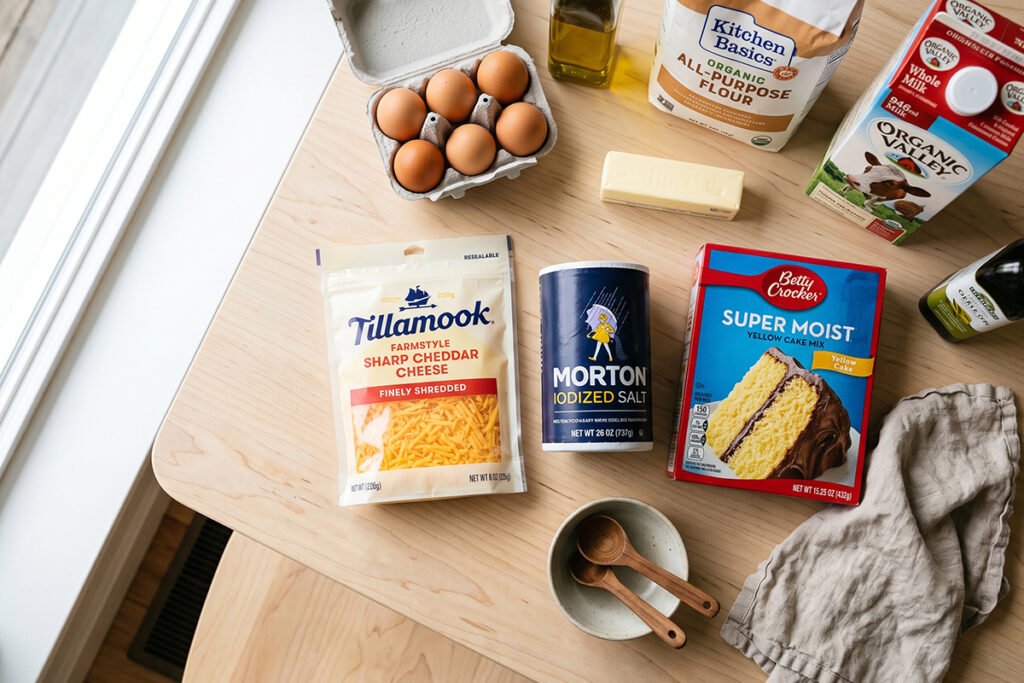
Salt and Baking Ingredients: Clumping FAQs
Salt and dry baking essentials attract airborne water molecules faster than almost any other kitchen staple. Understanding their unique chemical behaviors helps you safeguard your entire pantry against humidity damage.
Implementing specialized storage measures keeps these daily essentials flowing cleanly out of shakers and boxes. Simple adjustments eliminate stubborn clumping in both raw ingredients and delicate baking powders.
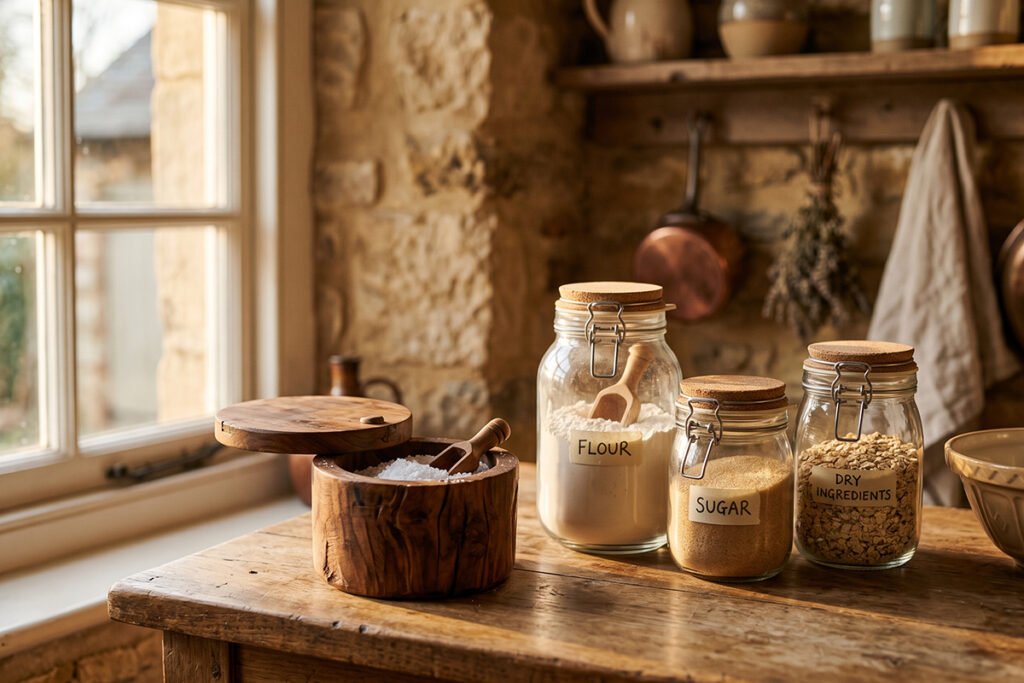
What is Added to Salt to Prevent Clumping?
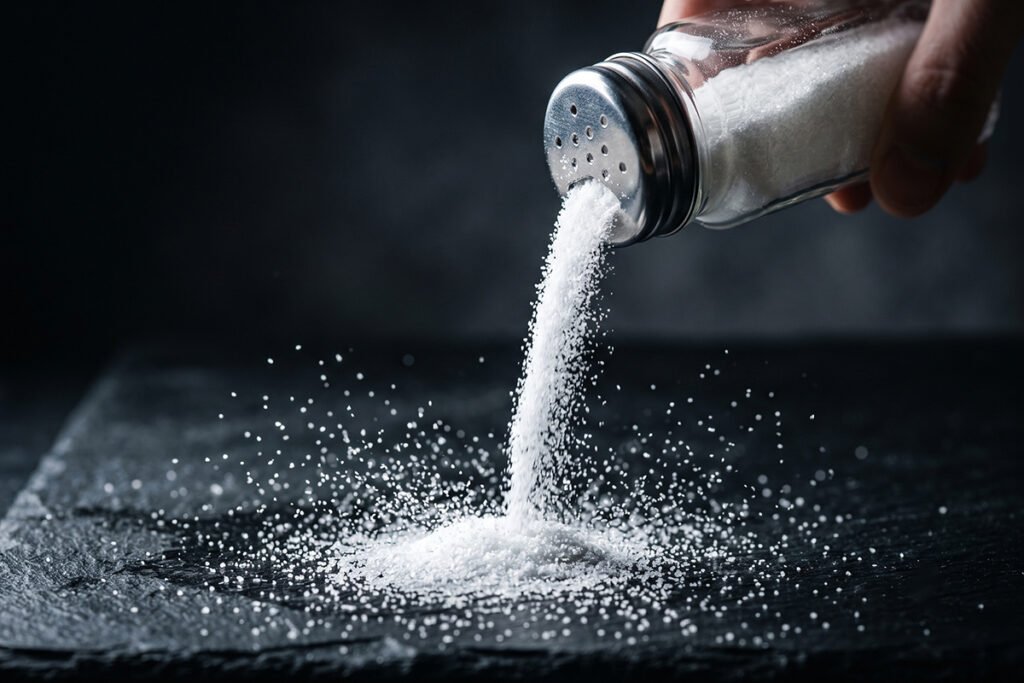
Manufacturers typically introduce small amounts of yellow prussiate of soda or calcium silicate to commercial salts. These compounds interfere with salt crystal bonding, preventing strong chemical bridges from forming during damp weather.
Without these additives, fine salt grains absorb water vapor and fuse into rock-hard blocks instantly. These safe additives keep table salt pouring freely even in marine environments.
What Salt Does Not Have an Anti-Caking Agent?
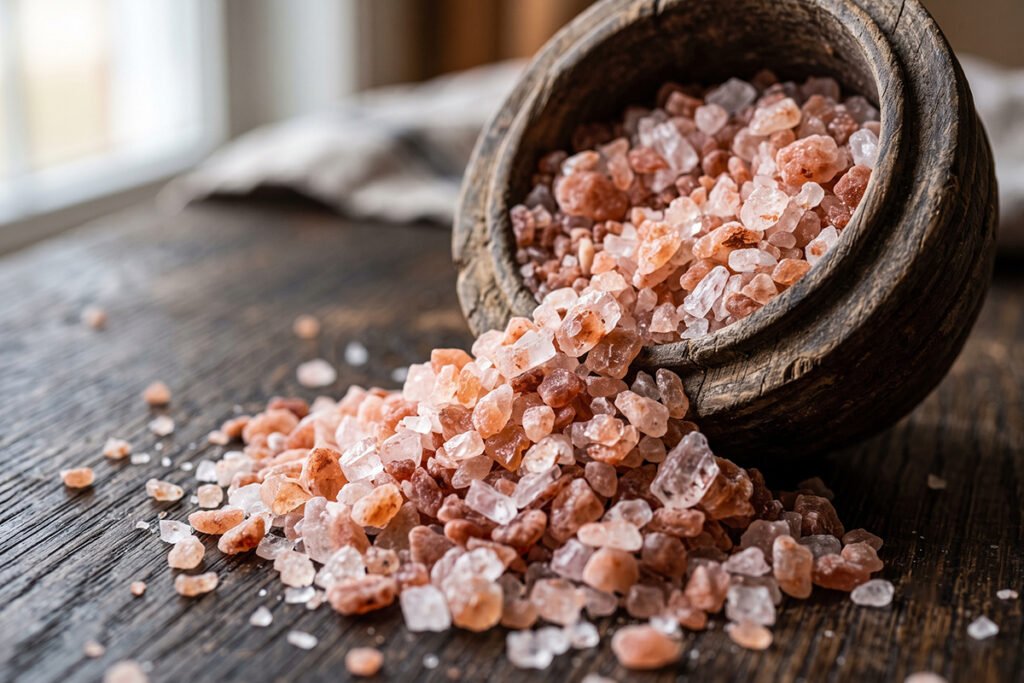
Pure coarse sea salt, pink Himalayan salt, and traditional kosher salts rarely contain added flow chemicals. Their larger crystal structure resists immediate moisture binding compared to fine table varieties.
Always inspect product packaging for pure ingredient statements if you wish to avoid additive compounds. Storing additive-free salts requires strict humidity control to prevent localized surface caking.
Does Morton Salt Have Anti-Caking Agents?
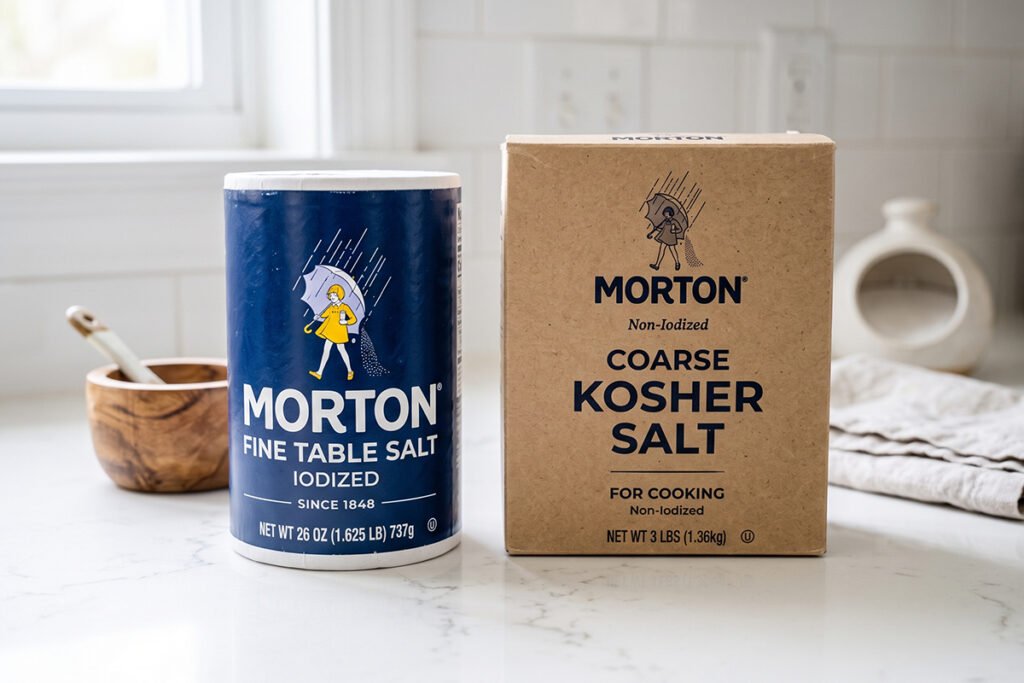
Standard Morton table salt formulations contain calcium silicate to ensure their famous smooth pour guarantee. This compound guarantees that the product performs consistently even during severe rainstorms and humid weather.
However, Morton also manufactures pure coarse kosher salt and specialty salts free from added compounds. Consumers seeking additive-free options can select these alternative coarse varieties easily.
Is Baking Powder an Anti-Caking Agent?
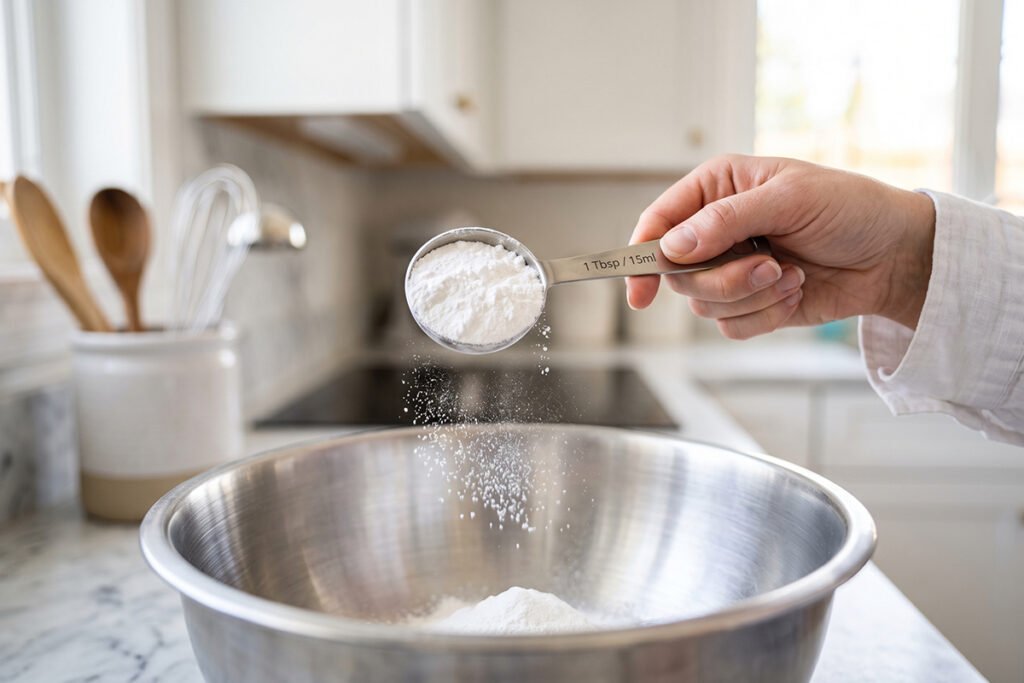
Baking powder is not an anti-caking agent itself, but it actively contains one within its formula. Commercial baking powders mix baking soda and acid with cornstarch to keep the active ingredients dry.
The added starch absorbs humidity inside the container, preventing premature chemical reactions between the acid and base. This preserves the chemical potency required for your baked goods to rise properly.
Expert Insights and Safety Considerations
Professional culinary settings handle vast quantities of ground herbs while maintaining strict safety standards. Learning industry methods helps home cooks protect food quality while preventing unnecessary waste.
Applying expert storage protocols ensures your kitchen operates smoothly regardless of weather challenges outside. You can safeguard flavor integrity while mastering how to prevent spices from clumping in humid weather.
Are Spices Still Good If They Clump Together?
Clumped seasonings remain completely safe to eat provided no mold growth or unpleasant odors are present. Caking is simply a physical reaction to water vapor, not a sign of bacterial contamination.
Safe To Eat Provided No Mold Growth Or Unpleasant Odors Are Present
However, heavy moisture exposure usually accelerates essential oil evaporation over prolonged periods. Simply break apart the hardened powder and check the aroma strength before adding it to your dish.

How Do Professional Chefs Store Spices?
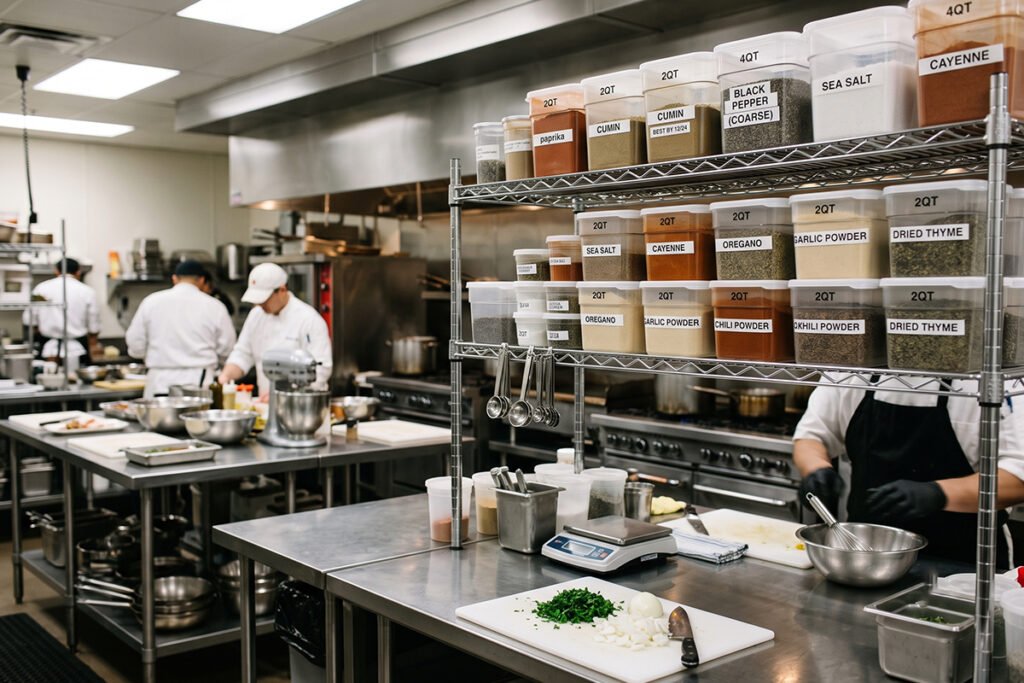
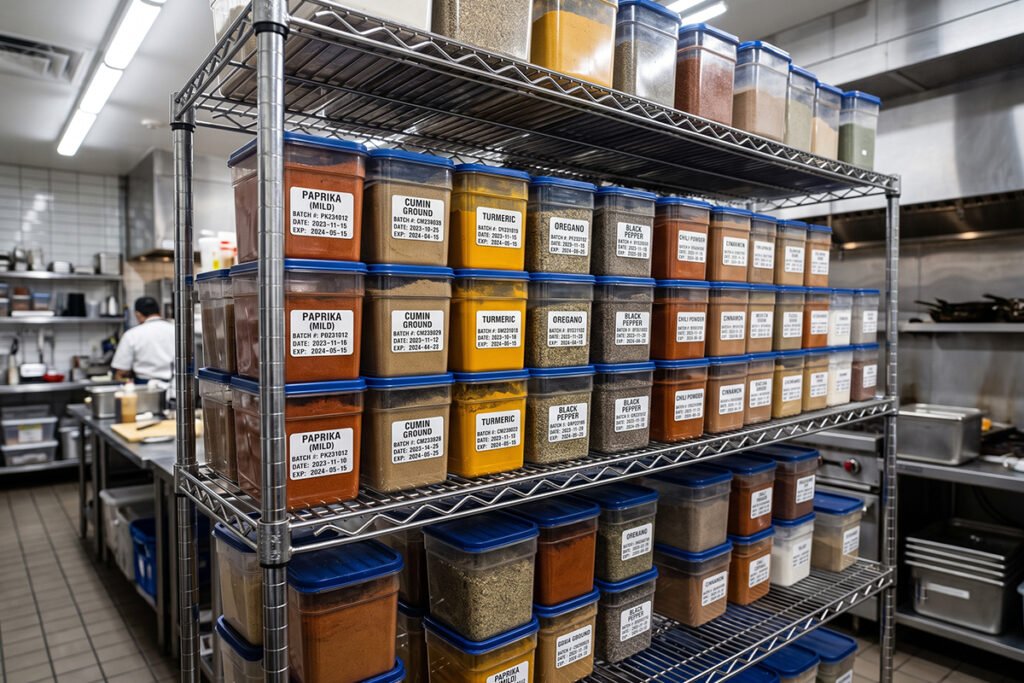
Restaurant kitchens store their active seasonings in heavy-duty commercial plastic containers away from hot cooking lines. They purchase whole spices in bulk and grind small quantities daily to maximize fresh flavor.
Chefs keep bulk inventory inside climate-controlled pantries equipped with active dehumidifiers. This rigid operational standard keeps ingredients completely dry and aromatic through every shift.
What is the Safest Brand of Spices to Buy?
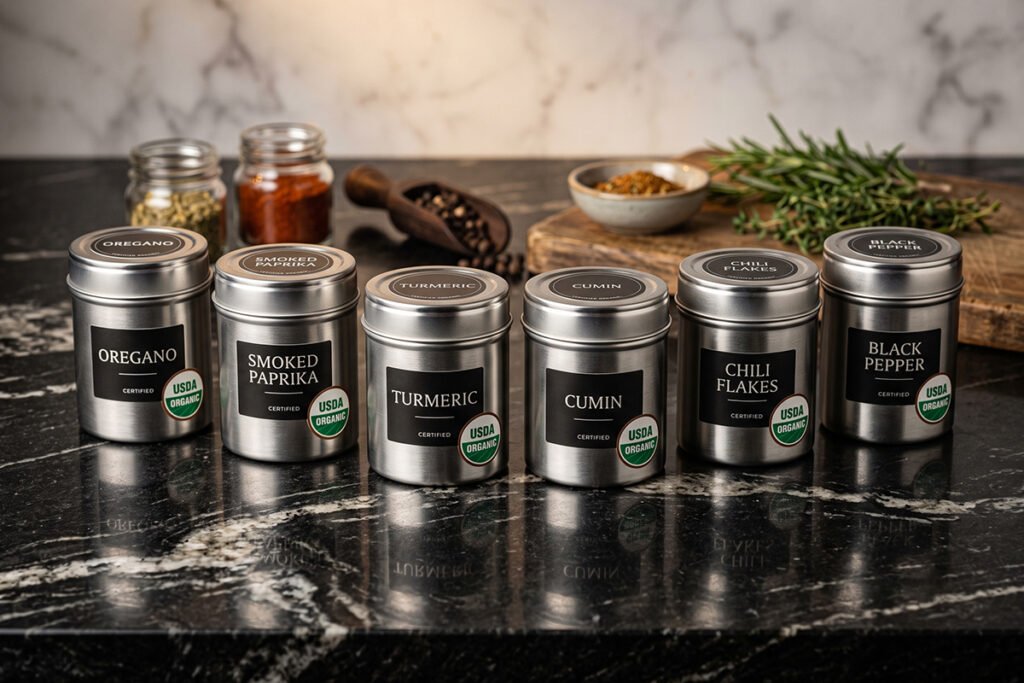
Selecting reputable brands that prioritize rigorous testing guarantees clean, high-quality products free from contaminants. Premium brands package their products in dark glass or metal tins to block destructive light rays.
Look for companies that publish transparent sourcing details and third-party safety testing results online. Choosing quality brands ensures your pantry contains pure, unadulterated ground herbs.
What is the World’s Best Seasoning?
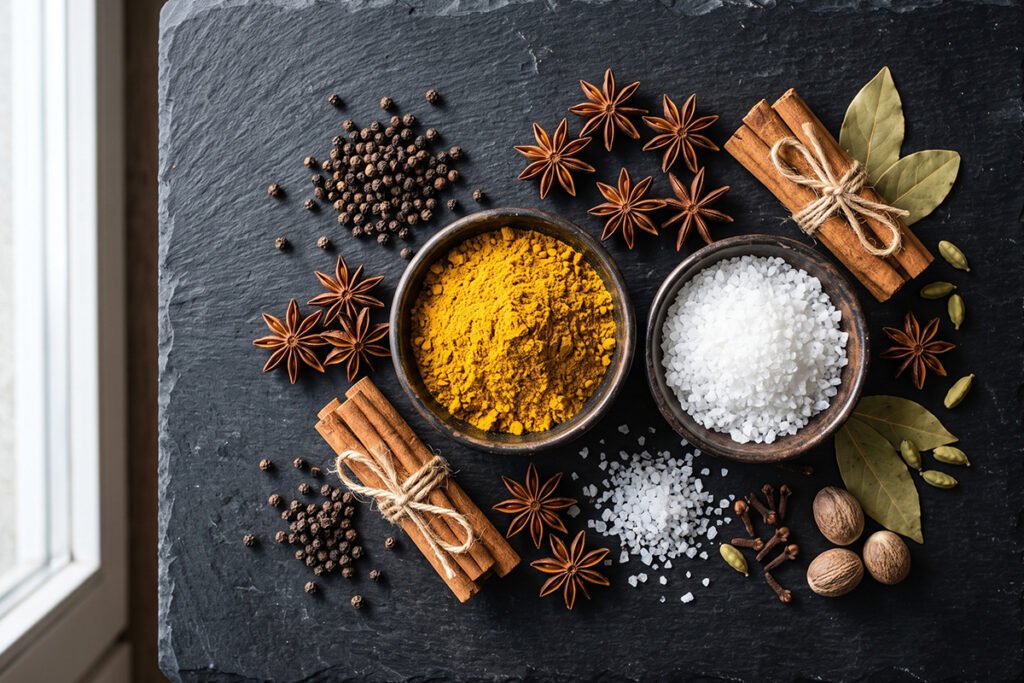
Determining the absolute best seasoning depends entirely on personal taste preferences and regional culinary styles. However, versatile blends like fresh-ground tellicherry black pepper and pure sea salt remain timeless universal staples.
High-quality garam masala and complex Cajun rubs offer incredible depth across a wide variety of dishes. Storing these complex blends correctly preserves their intricate balance for every meal you cook.
Top Recommended Spice Storage Products to Buy
- Glass Spice Jars with Silicone Seals: Heavy-duty glass containers equipped with airtight rubber gaskets to block airborne moisture effectively.
- Food-Grade Silica Gel Packets: Safe, rechargeable desiccant packs designed to absorb residual humidity inside pantry containers.
- Electric Spice and Herb Grinder: A compact kitchen grinder perfect for breaking down whole spices or restoring hardened seasoning blocks quickly.
- Pantry Dehumidifier Unit: A compact, rechargeable dehumidifier designed to maintain low humidity levels inside closed spice cabinets.
Final Thoughts
Battling kitchen humidity does not mean you have to settle for hardened, ruined seasonings. By adopting simple spice storage habits like storing jars away from heat and using silica gel packets, you keep powders free-flowing.
Take control of your kitchen pantry today by implementing these simple moisture-control techniques. Knowing how to prevent spices from clumping in humid weather preserves rich flavors, extends shelf life, and saves you money on every dish.
Leave a Reply