

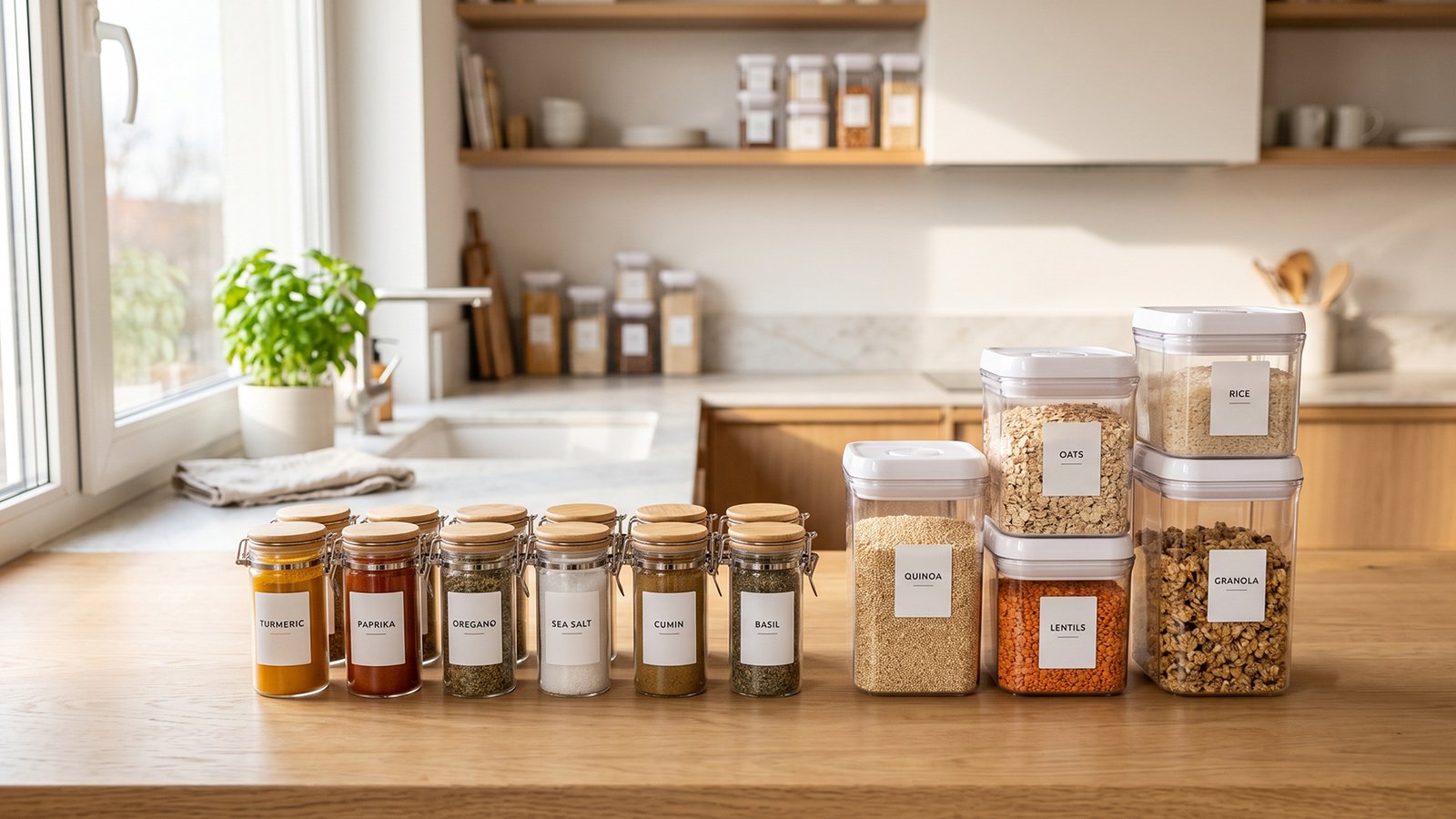
Transforming a messy spice collection into a functional setup requires smart kitchen cabinet food storage containers organization ideas. Nothing disrupts meal prep faster than reaching for a seasoning jar only to find a rock-hard block inside.
When you evaluate container options using a quick price comparison, you will find that investing in the right airtight seal saves money by preventing premature spoilage.
Table of Contents
Proper humidity control is the single most critical factor in extending the shelf life of your favorite herbs and seasonings. High humidity introduces unwanted moisture every time a jar opens near a steamy stovetop, degrading flavor and causing stubborn clumping.
By focusing on container material and placement, you can preserve potency, maintain food safety, and keep your kitchen running smoothly.
Kitchen Cabinet Food Storage Containers Organization Ideas
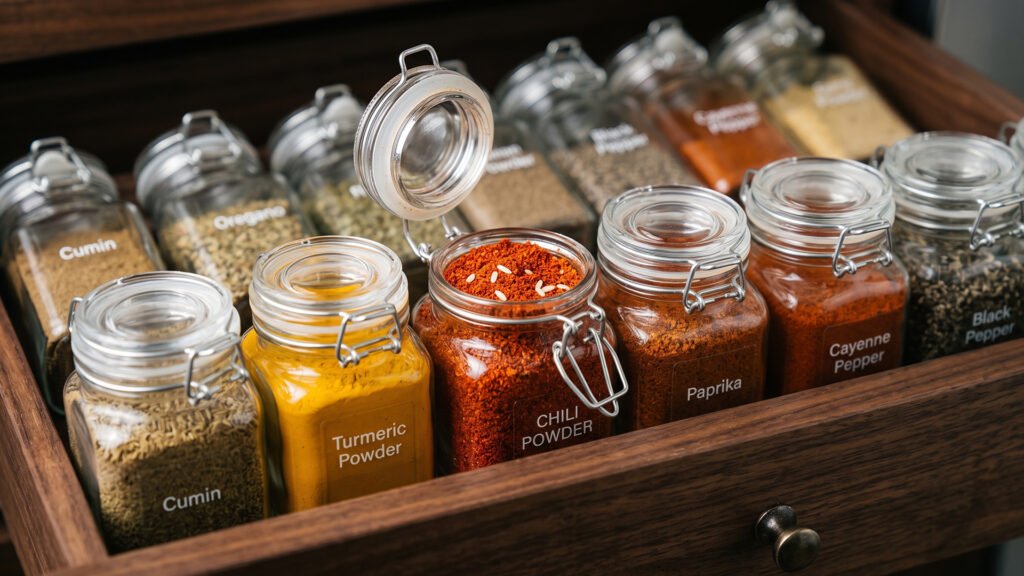
Mastering kitchen cabinet food storage containers organization ideas starts with choosing hardware designed for airtight performance. Storing ground ingredients in mismatched original packaging exposes them to ambient air and ambient moisture, leading to reduced potent flavors over time.
When comparing core features, look for containers with silicone gaskets and heavy-duty locking clamps that form an impenetrable barrier against surrounding humidity.
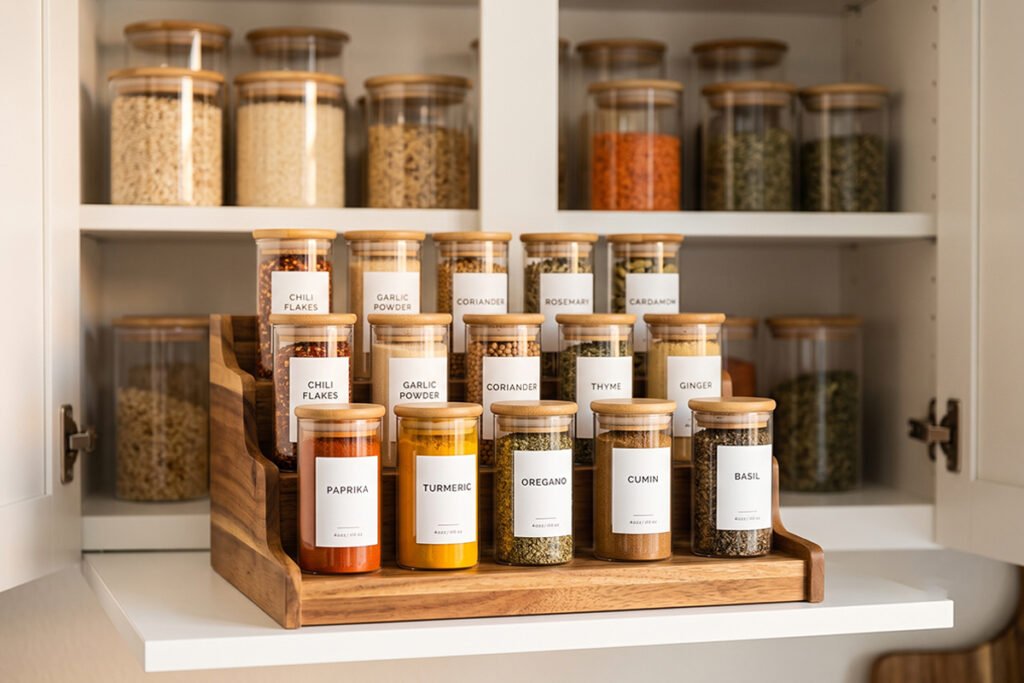
Upgrading your cabinet layout not only protects your investment in premium herbs but also vastly improves kitchen ergonomics.
Stacking clear containers allows you to evaluate your inventory at a glance so you never buy duplicates or run out during crucial cooking moments. Check out our guide on [Insert Internal Link] to learn more about optimizing small kitchen spaces for maximum storage capacity.
Evaluating overall performance means looking at ease of access alongside preservation quality. Tiered risers, pull-down shelves, and clear labeling systems ensure that every jar remains visible and within arm’s reach.
By pairing high-quality containers with smart spatial planning, you eliminate clutter while keeping your ingredients fresh and ready to use.
How Do You Keep Spices From Clumping in High Humidity?
To prevent caking in humid environments, focus on humidity barriers and proper handling habits. Always close lids immediately after measuring out your ingredients, and avoid holding open containers directly over boiling pots where vapor can drift inside.
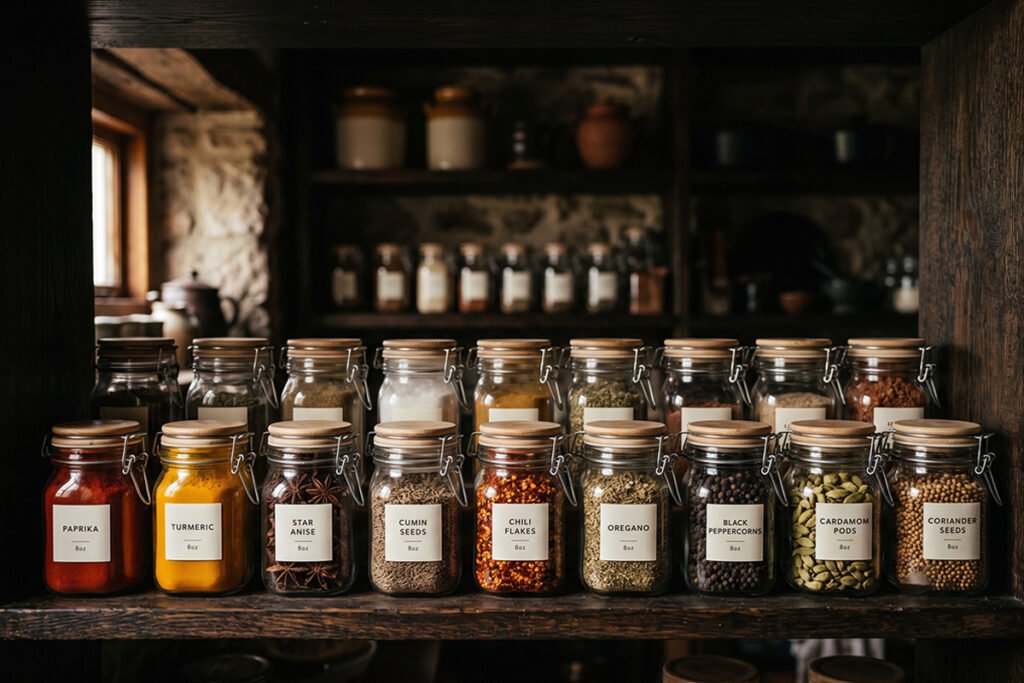
Incorporating food-safe desiccant packets or a few grains of raw, uncooked rice inside jars acts as a natural moisture sponge. Comparing the overall shelf life of protected seasonings versus unprotected ones shows a dramatic difference in quality retention over time.
For a long-term replacement of compromised containers, transition to non-porous glass containers rather than standard plastic containers. Glass provides a non-reactive barrier that will not absorb oils or allow micro-moisture penetration through the walls over extended storage periods.
How to Keep Spice Mixes From Clumping?
Spice blends are particularly vulnerable to clumping because mixed salt and sugar components draw ambient water from the air. To maintain free-flowing blends, incorporate a natural anti-caking agent or store custom mixes in small batches rather than massive quantities.
Using specialized shaker tops with sealable flip-caps helps limit exposure during daily use. Selecting containers engineered specifically for moisture-prone environments ensures your homemade and store-bought blends stay granular and easy to sprinkle.
When buying pre-made blends, review ingredient labels for built-in moisture absorbers or choose suppliers that pack in nitrogen-sealed glass. Proper storage paired with conscious handling keeps your custom rubs and seasoning mixes completely clump-free.
Is There a Way to Unclump Seasonings?
If your seasonings have already hardened into a solid block, you can easily restore them using simple kitchen tools. Transfer the hardened spice into a blender or food processor, or use a mortar and pestle to grind the clumping particles back into a fine powder.
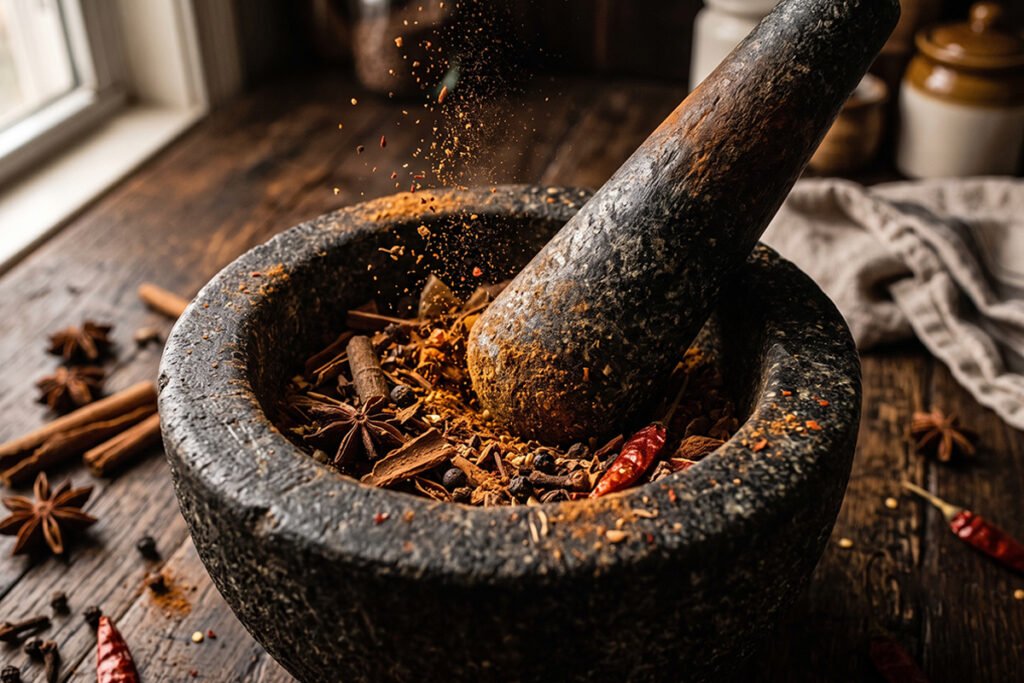
For minor clumping, simply breaking the block up with a clean fork inside the jar can work wonders. Adding a food-safe moisture absorber immediately after breaking up the mass prevents the seasoning from fusing together again.
When restoring caked spices, evaluate their aroma and color to ensure they haven’t lost their potency. If the flavor has degraded significantly, it is best to consider a full replacement rather than trying to save the batch.
How to Store Spices in Humid Weather?
Managing high humidity requires strategic placement within your kitchen away from heat and steam sources. Never store your collection directly above the stove, dishwasher, or microwave, as these appliances generate localized moisture clouds during operation.
Opt for dark, climate-controlled spaces such as a dedicated pantry closet or a lower drawer. Maintaining consistent humidity control protects volatile essential oils from degrading prematurely during warm summer months.
Using premium kitchen cabinet food storage containers organization ideas ensures your storage zone stays completely protected against external weather shifts. Sealed glass jars kept in cool environments maintain peak flavor far longer than open plastic containers.
What Is an Anti Clumping Agent for Seasoning?
An anti-caking agent is an additive used in commercial and home spice blends to prevent ingredients from clumping together. Common commercial options include silicon dioxide, calcium silicate, and magnesium carbonate, which coat individual particles to repel water.
For home cooks who prefer natural solutions, adding arrowroot powder, cornstarch, or uncooked rice grains works exceptionally well. These ingredients absorb stray moisture before it can affect the ground herbs and spices.
Wikipedia’s reference on anti-caking agents
When making your own seasoning blends, adding a small fraction of cornstarch provides an effective barrier. This simple trick ensures your custom rubs stay free-flowing even in warm, humid conditions.
How Do Professional Chefs Store Spices?
Professional chefs prioritize speed, visibility, and ingredient protection when organizing their culinary workstations. They rely on high-grade glass containers or stainless steel tins fitted with tight seals to keep moisture and air completely out.
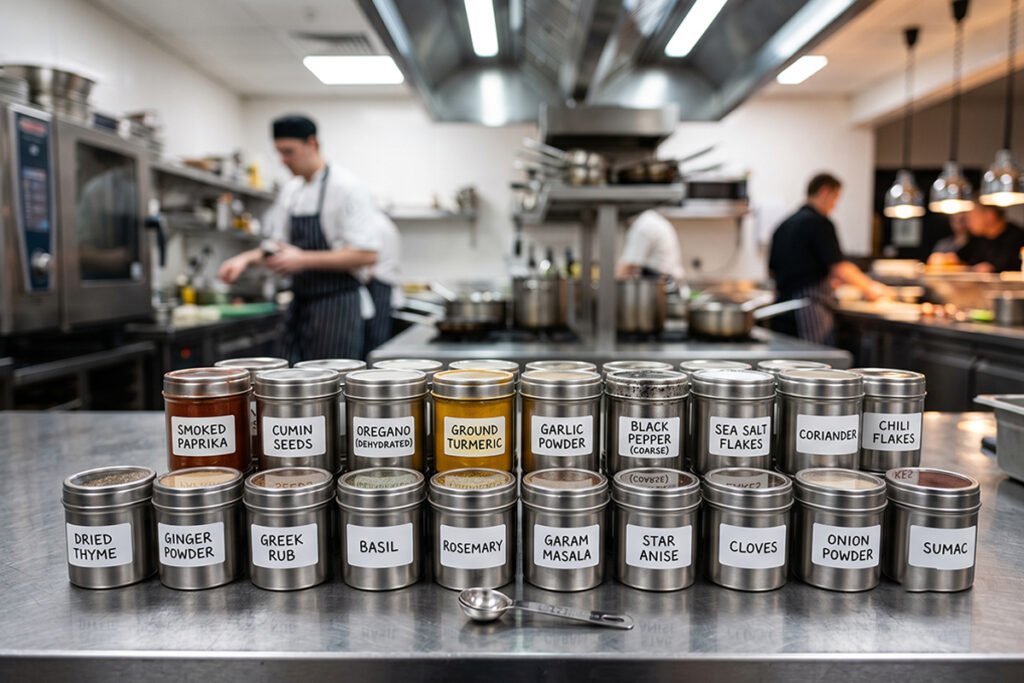
In commercial kitchens, spices are stored in cool, dry supply rooms far away from line heat until needed. Small, labeled working quantities are brought out to cooking stations, minimizing the exposure of bulk supplies to steam.
Chefs also perform frequent inventory checks to maintain ingredient freshness and peak flavor performance. Implementing these same restaurant habits at home will dramatically improve the lifespan of your seasonings.
Is It Better to Store Spices in Glass or Plastic?
Comparing glass versus plastic for long-term ingredient storage consistently reveals glass as the superior choice. Non-porous glass creates a complete air barrier, preventing essential oils from leaching out or absorbing surrounding odors.
While plastic containers are lightweight and shatterproof, low-grade plastics can absorb volatile compounds and slowly allow air transmission over time. This micro-exposure accelerates flavor degradation and increases the risk of moisture clumping.
Although a quick price comparison shows plastic is initially cheaper, high-quality glass jars offer far better long-term value. Glass jars can be disinfected repeatedly without degrading, making them the standard choice for serious cooks.
Are 20 Year Old Spices Still Good?
While extremely old spices generally do not pose a health hazard, their culinary value completely disappears over decades. Dried herbs and ground spices lose their volatile essential oils, resulting in a dull, dusty flavor that ruins dishes.
Checking the shelf life of your inventory ensures you are always cooking with vibrant, flavorful ingredients. Whole spices last up to four years, ground spices up to two years, and leafy herbs typically last around one year.
If you discover decades-old tins in your cabinets, it is time for a complete overhaul. Toss out faded seasonings and restock with fresh quantities stored in proper airtight seal containers.
Why Do My Seasonings Get Hard in the Cabinet?
Seasonings harden in cabinets due to humidity absorption and temperature fluctuations that occur inside kitchen spaces. Every time a spice jar opens, warm air enters; as the room cools, that trapped air condenses into tiny moisture drops.
Spices containing natural sugars, hygroscopic salts, or garlic and onion powders are particularly susceptible to caking. These ingredients naturally attract water molecules from the surrounding environment, binding individual particles together.
Implementing smart kitchen cabinet food storage containers organization ideas solves this issue by isolating ingredients from ambient air. Airtight storage prevents condensation cycles from turning your powders into rock-hard bricks.
What Is the Best Container for Storing Spices?
The best spice container features thick, non-reactive glass paired with an airtight seal top like a clamp lid or silicone-gasket screw top. This combination keeps ambient air and moisture out while locking in flavor and fragrance.
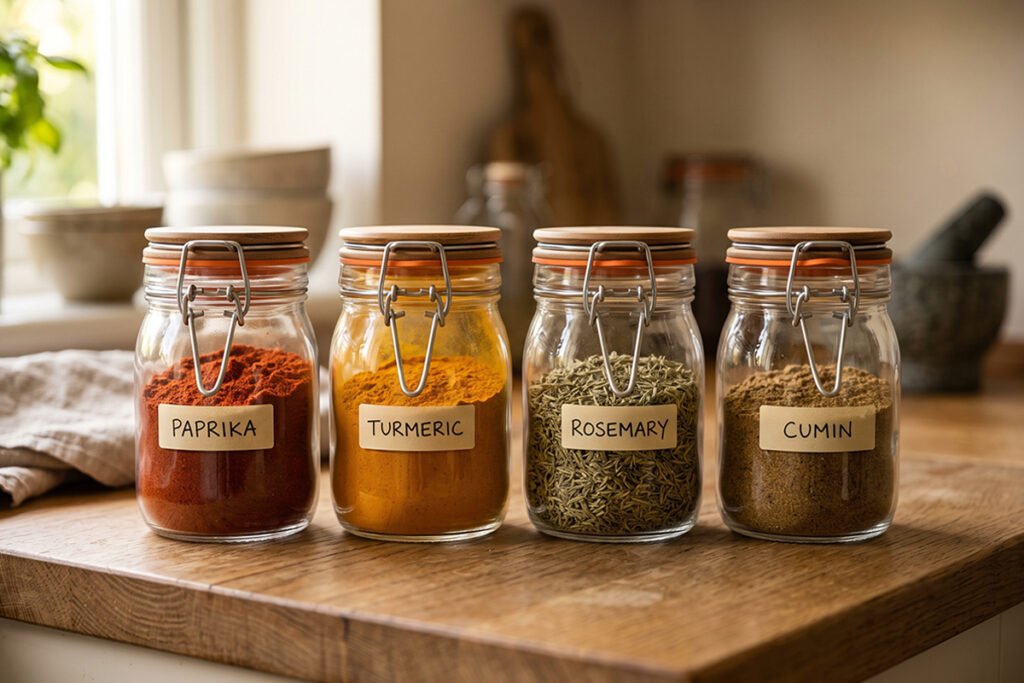
Look for containers with broad openings that allow easy access for measuring spoons without spilling. Dark amber or cobalt glass options provide extra protection by blocking harmful UV light rays that fade spice color.
Prioritizing key core features like transparent walls, stackability, and food-grade materials guarantees long-term satisfaction. Upgrading your storage vessels keeps your pantry organized while extending ingredient freshness.
What Brand of Spices Do Professional Chefs Use?
Professional chefs select spice brands based on rigorous sourcing standards, single-origin purity, and processing consistency. Trusted commercial brands like Simply Organic, Frontier Co-op, Burlap & Barrel, and McCormick Gourmet are industry favorites.
Top chefs prefer suppliers that deliver whole spices processed in small batches to guarantee maximum essential oil content. Buying whole spices and grinding them fresh ensures unmatched aroma and flavor intensity in every dish.
Selecting reputable brands ensures you receive pure products free from fillers, heavy metals, or low-grade additives. Pairing quality brands with proper storage preserves that premium flavor profile from the first dish to the last.
Do Spices Last Longer in the Refrigerator?
Refrigerating ground spices is generally discouraged because opening cool containers in warm ambient air creates immediate surface condensation. That trapped moisture leads to clumping, flavor degradation, and potential mold growth inside the jar.
The only exceptions are red pepper family spices like paprika, cayenne, and chili powder, which benefit from cold storage. Cold temperatures help preserve their vibrant color and prevent oil oxidation over extended storage periods.
For all other spices, a cool, dark cabinet or pantry drawer provides the ideal environment. Focus on maintaining a stable room temperature rather than risking condensation damage inside a refrigerator.
How Do You Keep Your Spices From Clumping?
Keeping spices free-flowing requires a combination of smart moisture management and disciplined cooking habits. Never shake open jars directly over steaming pots, as rising moisture instantly coats the interior walls and contents.
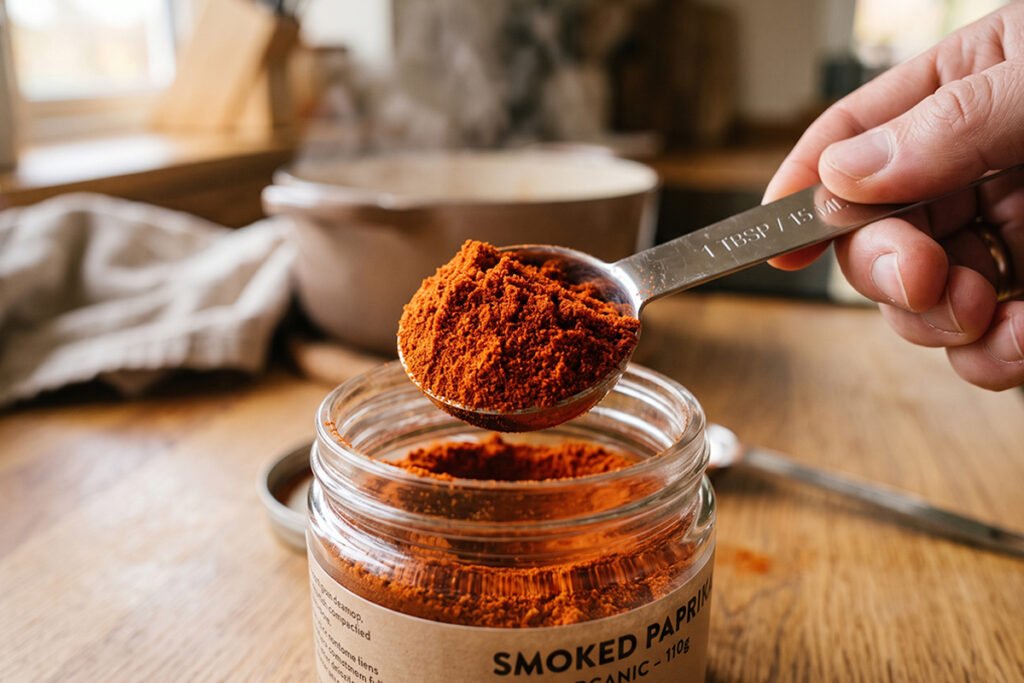
Use a clean, completely dry spoon to measure out ingredients away from active cooking zones. Closing lids tightly immediately after use prevents ambient moisture from creeping into the container.
Adding natural desiccants like silica packets or a few dry beans inside the container offers reliable protection. These simple habits keep your favorite seasoning blends loose, fresh, and ready to use.
Which Spice Is the King of All Spices?
Black pepper (Piper nigrum) is universally celebrated as the “King of Spices” due to its historic value and global culinary dominance. For centuries, black pepper driven international trade routes, serving as a currency and a staple flavor enhancer.
The sharp, pungent heat of black pepper comes from piperine, an active compound that stimulates digestion and elevates other ingredients. Whole black peppercorns retain their potent flavor almost indefinitely when stored in sealed glass containers.
Wikipedia’s entry on Piper nigrum
Investing in a high-quality pepper mill ensures you unleash that complex aroma fresh for every meal. Keeping whole peppercorns in airtight containers protects their precious essential oils from fading over time.
Are Spices Still Good If They Clump Together?
Clumped spices are usually safe to consume as long as there are no signs of discoloration, off odors, or mold growth. Clumping simply indicates that ambient moisture has entered the container, causing particles to stick together.
While safety is rarely an issue, caked spices often suffer from reduced flavor intensity and uneven distribution. The absorbed moisture degrades essential oils, leaving behind a weaker aroma and dull tasting notes.
If your seasonings have hardened, break them apart and test their aroma by rubbing a small amount in your palm. If the scent remains rich and sharp, the spice is still usable for cooking.
How Do I Unclump My Spices?
Unclumping spices is quick and easy using common kitchen utensils or appliances. For minor caking, inserting a clean butter knife or fork and gently breaking apart the solid mass restores a granular texture.
For severely hardened blocks, transfer the contents into a spice grinder or mini food processor for a quick pulse. This rapidly restores the powder without damaging the remaining essential oils.
Once unclumped, transfer the powder into an airtight container and add a food-safe moisture-absorbing packet. This critical step prevents humidity from turning your freshly powdered spice into a solid block again.
What Is the Safest Brand of Spices to Buy?
The safest spice brands adhere to strict third-party safety testing, organic certifications, and transparent sourcing protocols. Brands like Simply Organic, Frontier Co-op, and Spice Islands regularly test for heavy metals, pesticides, and bacterial contaminants.
Look for certifications such as USDA Organic, Non-GMO Project Verified, and Fair Trade on ingredient packaging. These labels guarantee that your herbs were grown without synthetic chemicals or questionable processing methods.
Buying from transparent, safety-focused brands protects your family from hidden contaminants. Storing these clean ingredients in non-leaching glass containers maintains their purity for long-term kitchen use.
What Is the Most Common Anti-Caking Agent?
Silicon dioxide (silica) is the most common commercial anti-caking agent used in packaged spice blends and table salt. It occurs naturally in earth minerals and works by absorbing excess moisture before other ingredients can bind together.
Another widely used option is calcium silicate, which excels at absorbing both water and oil in complex seasoning mixes. These additives keep commercial products free-flowing throughout their retail shelf life.
FDA Food Safety and Additives Resource
For home storage, natural alternatives like uncooked white rice or food-grade silica packets deliver similar benefits. Adding these to your jars prevents clumping without altering the natural flavor of your spices.
Storage Habits
Developing clean, moisture-conscious storage habits is the first line of defense against spoiled seasonings. Small adjustments in how you handle, store, and measure ingredients will dramatically extend their flavor lifespan.
Building a streamlined pantry routine keeps your workspace efficient and your ingredients completely protected. Integrating smart daily habits ensures your kitchen stays organized, functional, and ready for high-level cooking.
Seal Tight
Always ensure lids, clamps, and caps are secured completely after every single use in the kitchen. Leaving containers slightly open allows ambient moisture and oxygen to enter, ruining delicate ground spices overnight.
Choose containers with durable rubber or silicone gaskets that form an absolute barrier against air transmission. Investing in reliable sealing mechanisms saves money by preventing premature spice spoilage.
Periodically inspect your jar seals for cracks, dust accumulation, or wear that might compromise performance. Replacing worn seals promptly ensures your pantry setup delivers reliable protection year after year.
Avoid Steam
Never pour or shake spices directly from their primary storage container into a steaming pot on the stove. The escaping water vapor travels straight up into the open jar, instantly causing caking and mold risks.
Instead, sprinkle seasonings into your palm or use a dry measuring spoon far away from active heat. This simple habit keeps steam out of your main container, preserving a loose, powdery texture.
Store your container collection away from heat-generating appliances like ovens, dishwashers, and range hoods. Keeping spices in a cool zone prevents internal condensation cycles from ruining your seasonings.
Cool Places
Heat is one of the fastest catalysts for spice degradation, causing essential oils to evaporate and lose potency. Store your collection in a dark, temperature-controlled environment kept consistently below 70°F (21°C).
Avoid mounting spice racks on walls directly adjacent to ovens, sunny windows, or heat vents. Heat exposure speeds up flavor breakdown and causes colors to fade rapidly.
Enclosed pantry cabinets, deep drawers, or dedicated dark closets offer the ideal climate for long-term storage. Protecting your spices from heat keeps their flavor rich, aromatic, and long-lasting.
Moisture Control Tricks
Using targeted moisture-control techniques provides extra insurance against humidity-induced clumping. Simple additions to your storage jars absorb ambient water before it affects your ground herbs and spices.
📦 Check the best deep drawer dividers for plastic containers on Amazon
These practical hacks work alongside airtight containers to maintain optimal internal storage conditions. Implementing simple desiccant methods keeps custom blends and delicate powders free-flowing year-round.
Dry Rice or Beans
Adding a dozen grains of dry, uncooked white rice to your spice jar is a classic, effective anti-clumping trick. Rice naturally attracts and holds onto moisture, keeping ground seasonings dry and loose.
For containers with larger shaker holes, use dry pinto or black beans instead so they don’t pour out onto food. The dry beans act as miniature moisture sponges without contaminating your dishes.
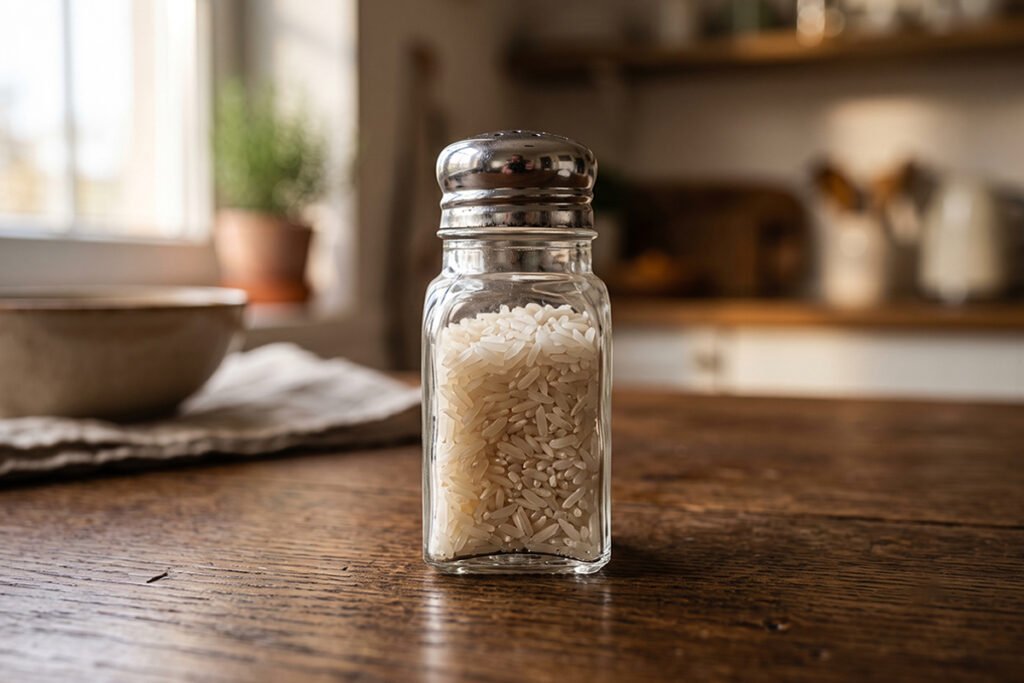
Replace the rice or beans every few months to maintain peak absorption performance inside the container. This low-cost, natural solution keeps everyday seasonings flowing smoothly in humid environments.
Silica Packets
Food-grade silica gel packets offer powerful moisture control for delicate seasoning blends and rubs. These small packets trap ambient water vapor, maintaining a bone-dry atmosphere inside sealed jars.
Ensure you choose packets explicitly labeled as food-safe before placing them inside your kitchen containers. Placing one packet at the bottom of a jar absorbs trapped air moisture without affecting ingredient flavor.
Silica packets are especially useful for sweet or salty rubs that cake easily in summer heat. Using them inside sealed containers guarantees smooth, clump-free performance whenever you cook.
Use Clean Tools
Always use completely dry, clean measuring spoons when scooping ingredients from your storage containers. Introducing even a single drop of water from a damp spoon causes immediate caking inside the jar.
Avoid using fingers to pinch spices directly from containers, as skin oils and moisture transfer to the batch. Use dedicated measuring spoons or wooden spice scoops to maintain pristine hygienic conditions.
Keep a dedicated set of dry spoons near your spice station to prevent cross-contamination during meal prep. Clean handling habits protect your ingredients from moisture and keep them tasting fresh.
Top Recommended Food Storage Container Drawer Organizers to Buy
Upgrading your kitchen setup requires top-tier organization systems designed for visibility, protection, and accessibility. Investing in the right drawer inserts and modular jars transforms cluttered cabinets into a streamlined culinary station.
- In-Drawer Tiered Spice Racks: Expanding acrylic or bamboo organizers that lay jars flat for quick label reading.
- Airtight Glass Spice Jar Sets: Uniform 4 oz glass bottles with bamboo clamp lids and waterproof pre-printed labels.
- Pull-Down Cabinet Racks: Heavy-duty steel inserts that lower spices to eye level for easy cooking access.
- Modular Stackable Pantry Bins: Clear, BPA-free acrylic bins designed to hold excess bulk refills and spice packets neatly.
Selecting durable, easy-to-clean organizers keeps your containers secure and prevents accidental spills. Outfit your cabinets with these top tools to enjoy an efficient, stress-free cooking environment every day.
Final Thoughts
Mastering kitchen cabinet food storage containers organization ideas is the ultimate way to protect flavor, eliminate clutter, and stop spice clumping for good.
By choosing airtight glass containers, maintaining smart handling habits, and controlling moisture with simple tricks, your ingredients will stay fresh and aromatic for every meal. Take control of your pantry today to build a beautiful, efficient kitchen space that makes daily cooking a joy.
Leave a Reply